Most people walk past this plant every day without ever turning over a leaf. Flip one over and you will see a set of raised, parallel veins running across the underside, a sturdier structure than the smooth top suggests. That underside is exactly where gardeners look when they want a simple, homemade preparation from a weed they already have.
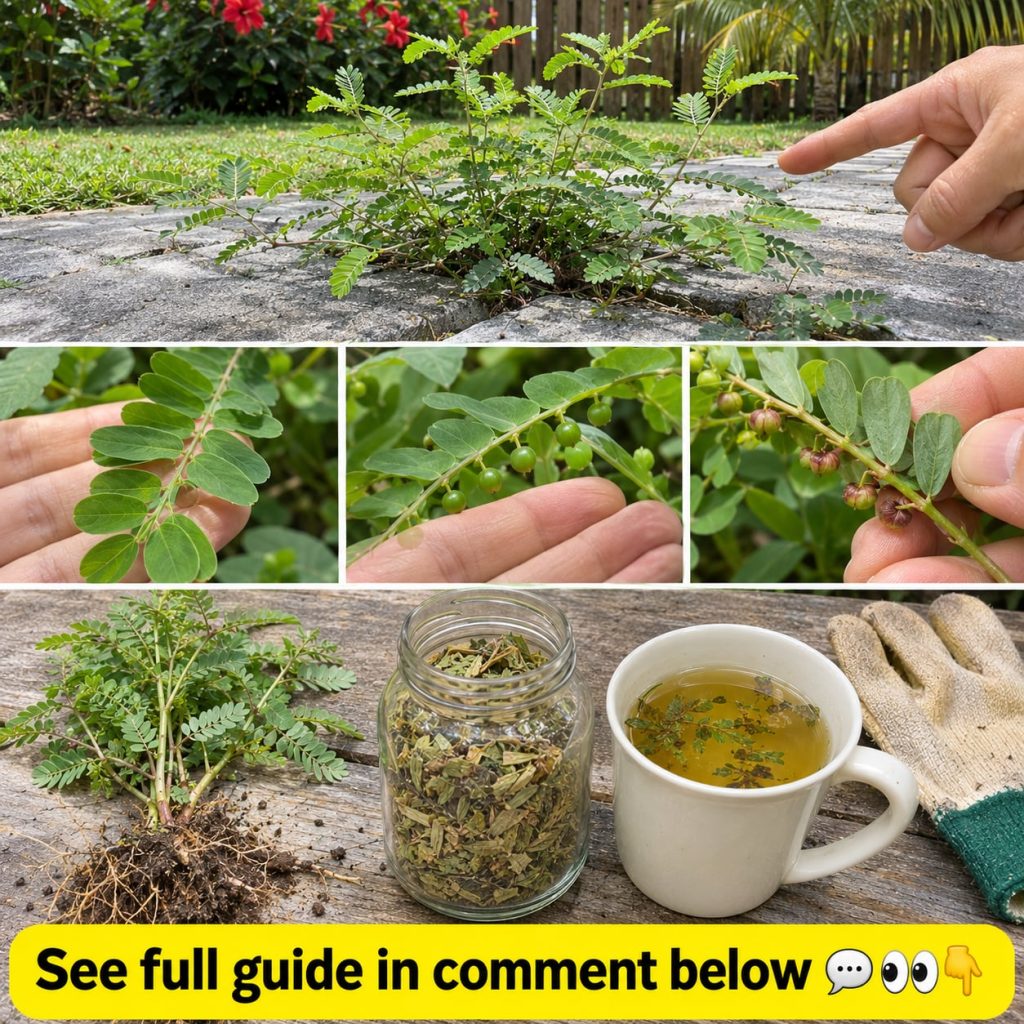
What It Is
Broadleaf plantain grows low in lawns, path edges, and garden beds. Its oval leaves form a rosette close to the soil. The leaves are the part used in most home preparations, and they are easiest to harvest in dry weather, before the plant flowers heavily.
Ingredients
- 1 cup (about 25 g) fresh, clean plantain leaves, loosely packed
- 1 cup (about 240 ml) carrier oil such as olive, sunflower, or jojoba oil
- 1 tablespoon grated beeswax per 1/4 cup (60 ml) infused oil, for a soft salve
- A clean glass jar with a tight lid
- Cheesecloth or a fine strainer
Formula and Method
- Harvest leaves from an area you know has not been sprayed with herbicides or pesticides. Choose healthy, undamaged leaves.
- Rinse them gently in cool water and pat dry with a towel. Let them air dry for 12 to 24 hours until the surface feels dry, not soggy.
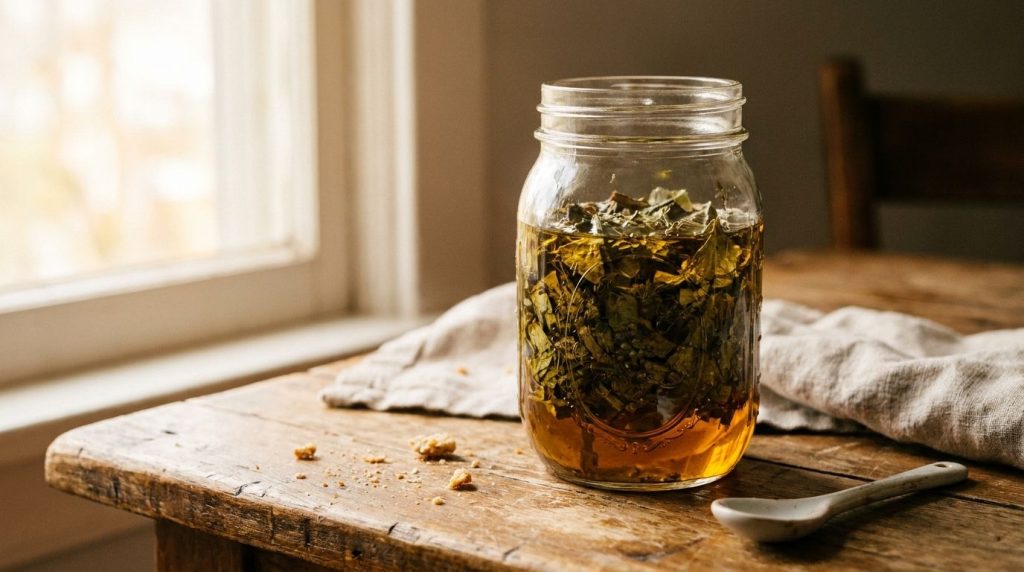
- Chop the leaves roughly and pack them into a clean, completely dry jar.
- Pour the oil over the leaves until they are covered by about 2 cm (under 1 inch). Stir gently to remove air bubbles.
- Seal and place the jar in a sunny window for 2 to 4 weeks, shaking it every day. For a faster method, warm the jar in a double boiler on very low heat for about 2 hours, never letting it simmer.
- Strain the oil through cheesecloth into a clean bottle, squeezing gently to get all the liquid out.
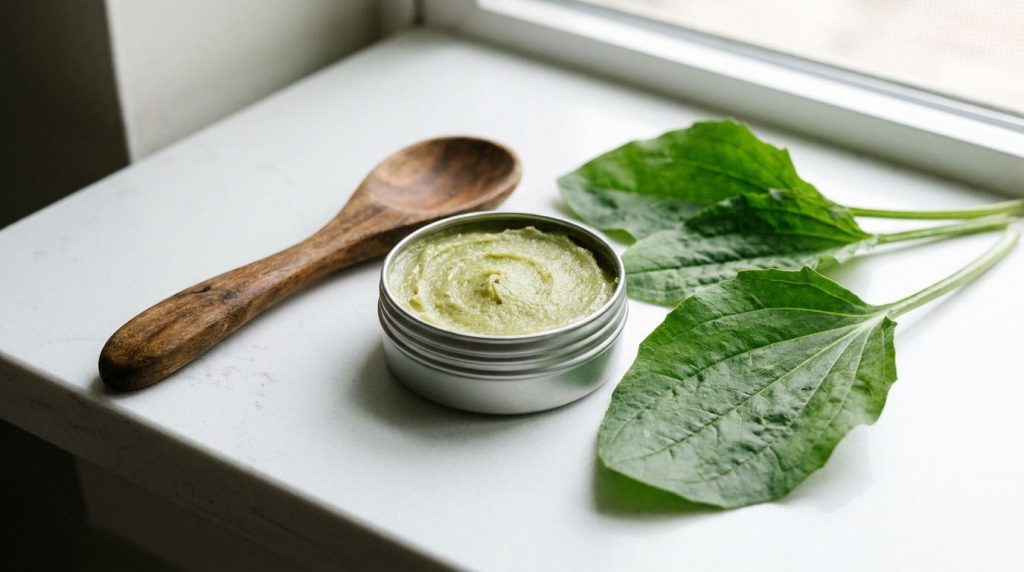
- To make a salve, melt the beeswax with the infused oil over low heat, pour into small tins, and let it set at room temperature.
Quick Tip: Always wait until the leaves are fully dry before adding oil. Moisture is the most common cause of spoilage.
How to Use It
Apply a small amount to clean, dry skin on a small area first. Wait 24 hours to check for any redness or irritation before using it more broadly. Keep it away from the eyes and mucous membranes.
How Often to Use It
Most people apply a thin layer once or twice a day to the area they want to care for. Stop if irritation appears, and do not use the same preparation on large areas of broken skin.
Fresh vs Dried vs Oil vs Salve
| Version | Best For | Typical Shelf Life | Storage |
|---|---|---|---|
| Fresh leaves | Immediate use, short preparations | 1 to 2 days | Refrigerated, dry paper towel |
| Dried leaves | Oil infusion, long-term storage | About 6 to 12 months | Airtight jar, dark cupboard |
| Infused oil | Easy daily application | About 6 to 12 months | Cool, dark place |
| Salve | Portable, longer contact on the skin | About 1 year | Cool place, sealed tin |
How to Choose Your Ingredients
Look for leaves that are bright green, firm, and free of spots or mold. Choose a cold-pressed carrier oil with a fresh smell. Use beeswax that is clean and pale. Avoid any oil that smells rancid or sharp before you start.
Storage
Store finished oil and salve away from heat, moisture, and direct sunlight. Label each jar with the date. If the oil smells off, looks cloudy in a new way, or shows mold, throw it away.
Practical Tips
- Harvest in the morning after dew has dried, but before the day gets hot.
- Use a small batch first so you can learn how your oil behaves.
- Keep your tools, bowls, and jars completely clean to prevent spoilage.
Did You Know? Plantain leaves are easy to recognize by their parallel veins, which makes them a practical choice for beginners who want a simple garden preparation.
Common Mistakes
- Using damp leaves, which leads to mold in the jar.
- Harvesting from roadsides or sprayed lawns.
- Boiling the oil, which can change its scent and quality.
- Skipping the patch test before applying to larger areas.
- Storing finished preparations in a warm bathroom or sunny windowsill.
Cautions and Who Should Avoid It
Do a patch test before using any new preparation. People with known plant allergies, pregnant or breastfeeding people, and anyone with a chronic skin condition should check with a qualified healthcare provider first. Do not use homemade preparations on deep wounds, burns, or infected skin. This article is for general information and is not a substitute for medical care.
Quick Summary
- Best preparation: dried leaves infused in carrier oil, then made into a salve if you prefer.
- Best use: small, clean areas of skin after a patch test.
- Storage: airtight, labeled, cool, and dark.
- When to use: once or twice daily, as needed.
- What to avoid: damp leaves, sprayed plants, and boiling the oil.
FAQ
Can I use fresh or dried leaves?
Fresh leaves work for short preparations, but dried leaves are better for oil infusion because they reduce the risk of spoilage.
How long does the infused oil last?
Stored in a cool, dark place, most homemade infused oils last about 6 to 12 months. Check the smell and appearance before each use.
Can I refrigerate the oil?
Refrigeration can slow spoilage, but the oil may thicken. Let it return to room temperature before using it.
Can I freeze the infused oil?
Freezing is not necessary for most batches, but it can work for long storage. Use a sealed container and thaw completely before use.
Which part of the plant is best?
The leaves are the part most commonly used in home preparations. Choose healthy, mature leaves that are free of damage.
Can I reuse the leaves after straining?
It is best to discard the used leaves. Reusing them can introduce moisture and reduce the shelf life of your next batch.
How often should I use the salve?
Apply a thin layer once or twice a day to a small area, and stop if you notice any irritation.
When should I avoid it?
Avoid it on broken or infected skin, deep wounds, and areas near the eyes. Check with a healthcare provider if you have concerns.
Conclusion
A simple flip of a leaf can reveal the veins that make this common garden plant easy to recognize and easy to work with. With clean leaves, dry jars, and patient infusion, you can prepare a practical homemade oil or salve at home.
Read more: How to Make a Simple Calendula Oil at Home.
See the full guide: Beginner’s Guide to Homemade Salves.
Related remedy: Dandelion Root Tincture Basics.