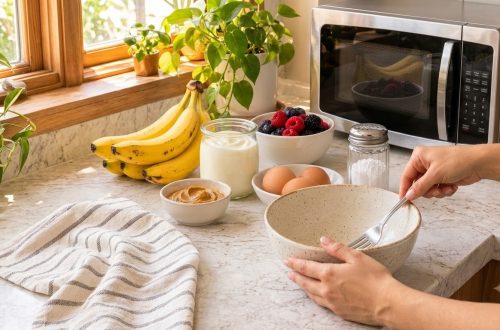
Homemade mayonnaise tastes far better than most jarred versions, and this boiled egg version comes together in about 15 minutes. Hard-boiled egg yolks give it a rich, creamy base, while a single raw yolk helps the oil blend in smoothly. Spread it on sandwiches, stir it into egg salad, or serve it as a dip for fresh vegetables.
Why You’ll Love This Boiled Egg Mayonnaise
- It uses simple pantry ingredients, including eggs, oil, and lemon juice.
- The boiled yolks create a rich, creamy texture with a mild, clean flavor.
- It is ready in about 15 minutes, including boiling the eggs.
- You can easily adjust the tang, thickness, and seasoning to suit your taste.
Ingredients
- 2 large eggs, hard-boiled and cooled (use the yolks only)
- 1 large raw egg yolk (see Ingredient Notes for food safety)
- 1 tbsp (15 ml) fresh lemon juice
- 1 tsp (5 ml) Dijon mustard
- 1/2 tsp (3 g) fine sea salt, plus more to taste
- 1 cup (240 ml) neutral oil, such as canola, light olive, or avocado oil
Ingredient Notes
The hard-boiled yolks add body and a soft, creamy texture, so the mayonnaise tastes less sharp than a typical egg-yolk mayo. The raw yolk acts as the emulsifier that holds the oil and lemon juice together. If you are concerned about raw eggs, use pasteurized eggs for the raw yolk. Lemon juice adds brightness, and Dijon mustard helps stabilize the emulsion and adds a subtle tang. Choose a neutral oil so the flavor stays clean. Extra virgin olive oil can taste bitter when used alone in mayonnaise.
Equipment You’ll Need
- Small saucepan
- Medium bowl
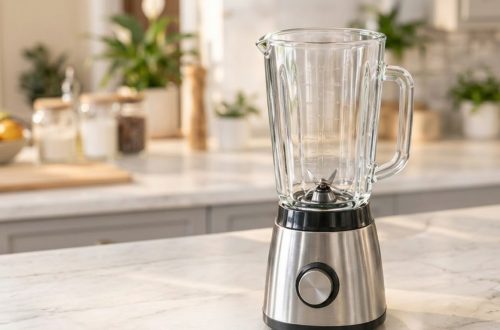
- Immersion blender with a tall cup, or a food processor
- Liquid measuring cup
- Small spoon or spatula
- Clean glass jar with a lid for storage
How to Make Homemade Boiled Egg Mayonnaise
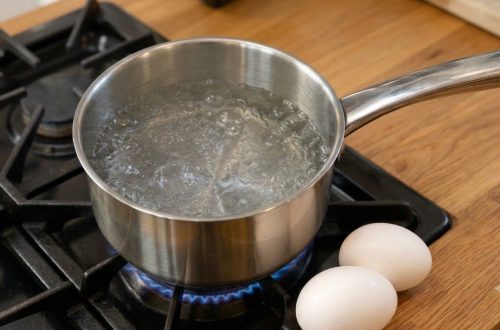
- Place the 2 eggs in a small saucepan and cover them with cold water by about 1 inch. Bring to a boil over medium-high heat, then reduce to a gentle simmer and cook for about 10 to 12 minutes. Transfer the eggs to a bowl of cold water and let them cool for at least 5 minutes.
- Peel the cooled eggs and cut them in half. Scoop out the yolks and discard the whites or save them for another use. Each yolk should feel firm and crumble easily when pressed.
- Add the 2 hard-boiled yolks, 1 raw yolk, lemon juice, Dijon mustard, and salt to your mixing cup or food processor bowl. Blend for about 15 seconds until the mixture looks smooth and thick, like a thin paste.
- With the blender running on low, or while pulsing the food processor, add the oil very slowly, about 1 teaspoon at a time at first. Continue slowly adding the oil in a thin, steady stream.
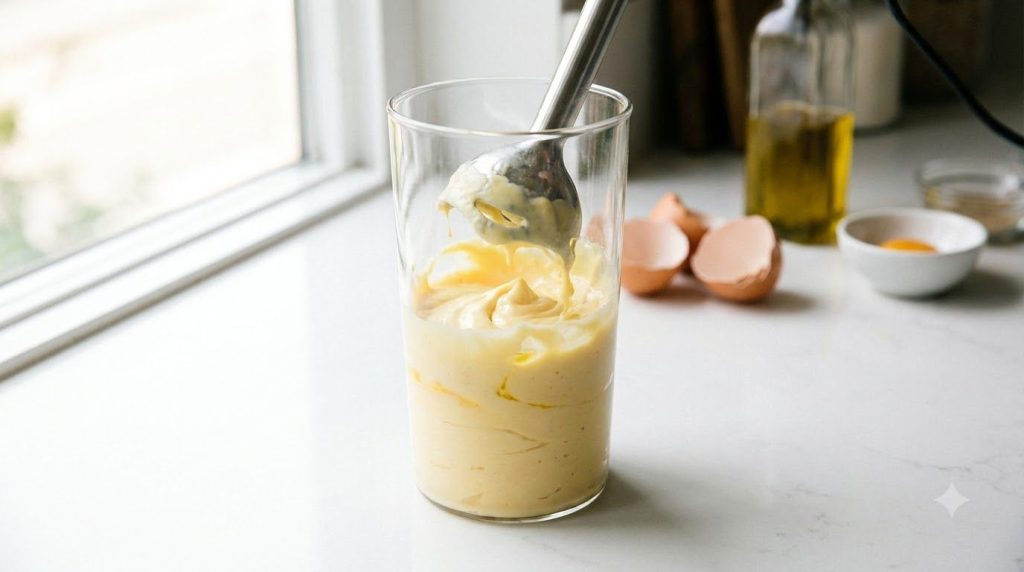
- Once the mixture starts to thicken and turn pale and creamy, you can add the oil a little faster. Keep blending until all the oil is incorporated and the mayonnaise is thick enough to hold soft peaks on a spoon.
- Taste the mayonnaise and adjust with more salt or lemon juice as needed. Transfer it to a clean jar, cover it, and refrigerate until chilled.
Pro Tips for the Best Results
- Make sure the boiled yolks are fully cooled before blending, since warm yolks can make the mayonnaise loose.
- Use room-temperature raw yolk and oil if possible, as they emulsify more easily.
- Add the oil very slowly at the beginning. This is the step where mayonnaise most often breaks.
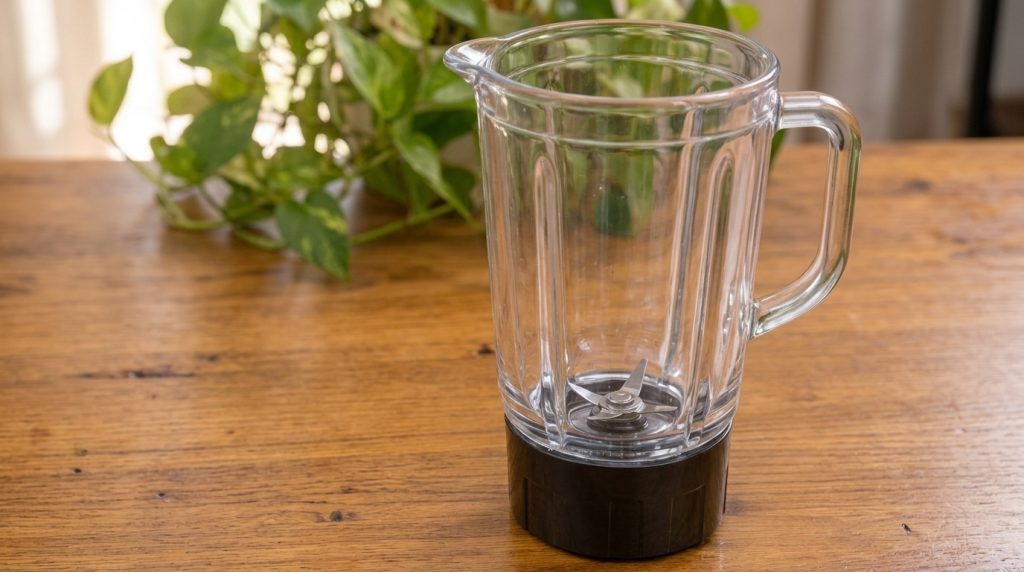
- Use a tall, narrow cup with an immersion blender to help the emulsion form faster.
- If the mayonnaise is too thick, blend in 1 teaspoon of water or lemon juice to loosen it.
Common Mistakes to Avoid
The most common problem is a broken or runny mayonnaise. This usually happens when the oil goes in too quickly. To fix it, place a fresh raw yolk in a clean bowl and slowly whisk in the broken mixture a little at a time. Another common issue is an egg flavor that tastes too strong. Use fresh eggs and avoid overcooking the yolks, since this can make them chalky. Finally, avoid using only extra virgin olive oil, which can taste heavy and bitter.
Variations and Substitutions
- Garlic mayonnaise: Add 1 small grated garlic clove while blending.
- Herb mayonnaise: Fold in 1 tablespoon of finely chopped chives, parsley, or dill after blending.
- Spicy mayonnaise: Add a pinch of cayenne pepper or a few drops of hot sauce.
- Milder flavor: Use half neutral oil and half light olive oil.
Serving Suggestions
Use this mayonnaise on turkey or ham sandwiches, burgers, and wraps. It also makes a great base for egg salad, potato salad, or coleslaw. For a quick snack, serve it as a dip with cucumber, carrot sticks, or boiled potatoes.
Storage and Reheating
Store homemade mayonnaise in a covered glass jar in the refrigerator. Because it contains a raw egg yolk, use it within about 3 to 5 days and discard it if it smells sour or looks discolored. Mayonnaise does not need to be reheated. Keep it chilled and use a clean spoon each time you scoop from the jar. Freezing is not recommended, because the emulsion usually separates when thawed.
Frequently Asked Questions
Can I make this boiled egg mayonnaise ahead of time?
Yes, you can make it a day ahead. Store it in the refrigerator and give it a quick stir before serving.
Why did my mayonnaise turn out runny?
The oil was probably added too quickly or the egg yolks were not fully cooled. Start over with a fresh raw yolk and add the broken mixture slowly.
Can I use only hard-boiled yolks?
You can, but the texture will be thicker and less stable. The raw yolk helps the mayonnaise emulsify and gives it a smoother, more classic consistency.
Can I use olive oil?
Yes, but use a mild or light olive oil. Extra virgin olive oil has a strong, bitter flavor that can overpower the mayonnaise.
How do I know when the mayonnaise is done?
It is ready when it is thick, pale, and creamy, and it holds its shape on a spoon. It should look like store-bought mayonnaise.
Is this recipe safe to make at home?
Use fresh eggs, keep the mayonnaise refrigerated, and use pasteurized eggs if you prefer to avoid raw egg yolks. Follow the storage time above for the best safety and quality.