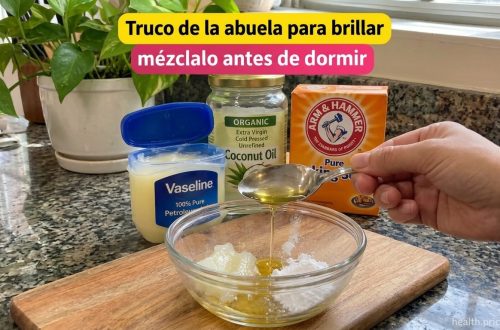
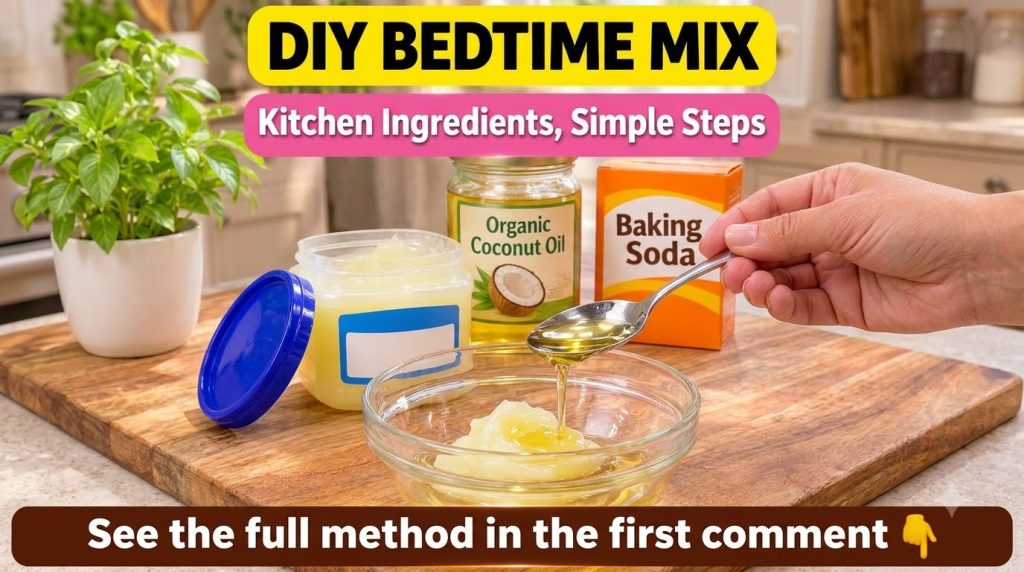
If you have spent any time scrolling through beauty videos, you have probably seen a homemade mixture promoted as a grandmother’s secret for glowing skin. The version in this viral style combines petroleum jelly, coconut oil, and baking soda, and it is often shared with the instruction to mix it before bed. It sounds simple and budget-friendly, which is exactly why it catches attention. Before you try it, let’s look at what each ingredient actually does and where the real risks are.
What Is the Trend Saying?
The trend usually presents the mixture as a overnight treatment that leaves skin fresh and glowing by morning. Videos often use phrases like time-tested or grandma’s trick, but these claims are rarely backed by clinical research. A homemade recipe passed down through family stories is not the same as tested evidence, and it is worth reading any beauty claim with a curious but careful eye.
Breaking Down the Ingredients
Petroleum Jelly
Petroleum jelly is an occlusive. It forms a protective layer on the skin that helps reduce water loss, which is why it is often used on dry patches, chapped lips, and minor scrapes. It does not add nutrients or change skin tone on its own, and it can trap oil and debris if the skin is not clean.
Coconut Oil
Coconut oil is a moisturizing oil that many people enjoy for dry skin and hair. Some people find it comfortable, while others notice clogged pores or breakouts, especially on oily or acne-prone skin. Like petroleum jelly, it is best understood as a moisturizer rather than a treatment for glow or dark spots.
Baking Soda
Baking soda is alkaline and can be abrasive. Skin has a naturally slightly acidic surface, and frequent use of baking soda can disrupt that balance, which may lead to redness, stinging, dryness, or irritation. Using it as a mixture on the face, especially overnight when you cannot rinse it off quickly, is one of the most common reasons people end up with sensitive skin.
Why the Bedtime Idea Needs Caution
Leaving any mixture on your face for hours increases the chance of irritation. If something stings or burns, you may not notice until morning. Pairing an abrasive ingredient with a heavy, occlusive base can also trap sweat, oil, and bacteria against the skin. For these reasons, this combination is not a recommended facial routine.
Safety first: if a homemade mixture causes burning, itching, swelling, or a rash, rinse it off with lukewarm water and stop using it. Seek medical advice if symptoms are severe or do not improve.
Simple Patch Test Basics
If you are curious about any homemade beauty product, test a small amount on a discrete area, such as the inner forearm, and wait at least 24 to 48 hours before using it more widely. Avoid applying new mixtures near the eyes, on broken skin, or on areas that are already irritated.
Safer Ways to Support Glowing Skin
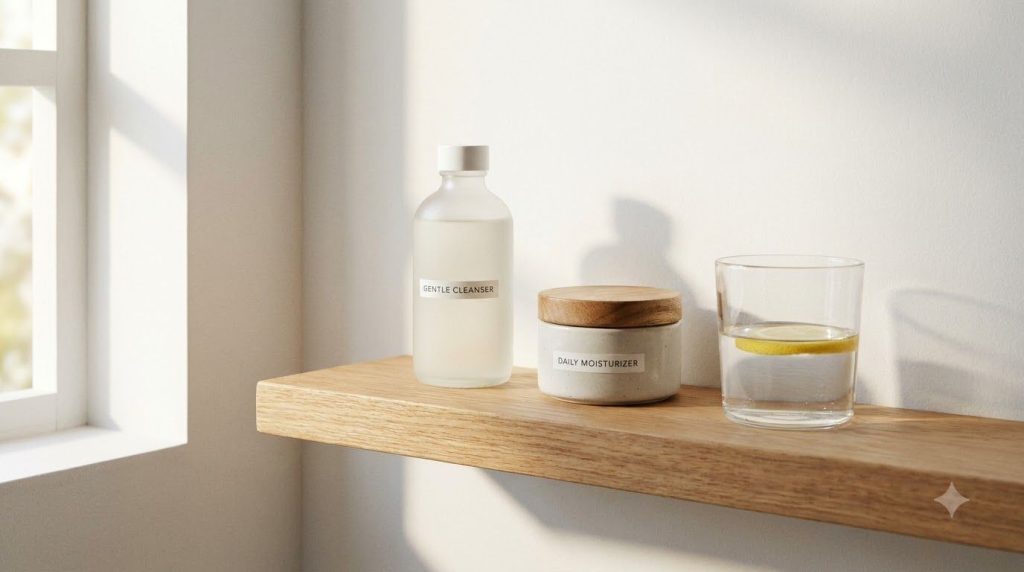
- Cleanse gently in the morning and evening with a mild, non-stripping cleanser.
- Use a moisturizer suited to your skin type to support the skin barrier.
- Wear a broad-spectrum sunscreen every day, which is one of the most effective habits for a healthy-looking complexion.
- Choose gentle exfoliation a few times per week instead of harsh scrubs.
- Drink enough water and eat a balanced diet with plenty of produce.
The Bottom Line
The Grandma’s Glow Trick video is a fun look at home kitchen beauty, but the mixture it promotes is not proven to give a fresh glow, and baking soda on facial skin can cause irritation. If you enjoy DIY beauty, focus on gentle, well-tolerated basics and check with a dermatologist if you have sensitive skin, a skin condition, or questions about a specific product.