Most people ignore the leaves. The berries get all the attention, but mulberry leaves have been a quiet kitchen ingredient in parts of Asia, the Middle East and Europe for a long time. Here is how to choose them, prepare them safely, and avoid the mistakes that spoil the flavor.
What Mulberry Leaves Are
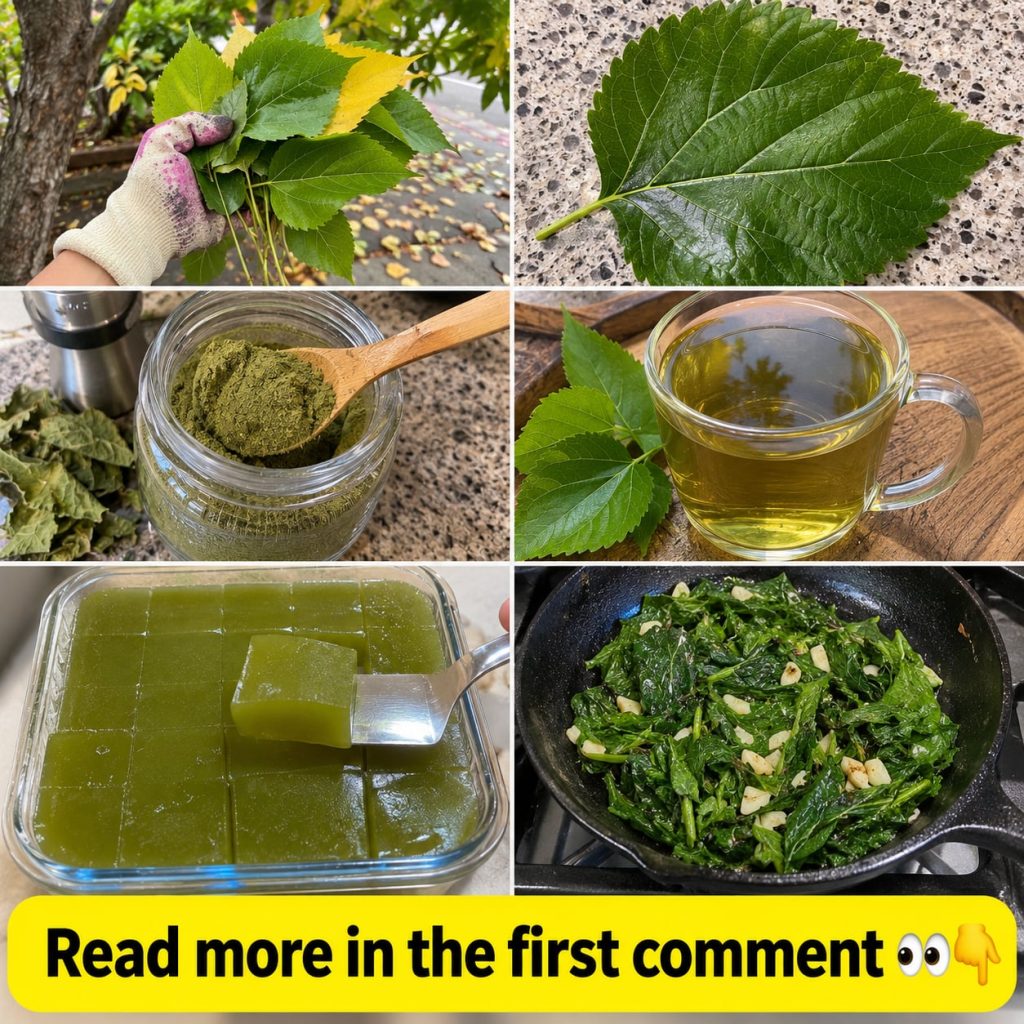
Mulberry leaves come from trees in the Morus genus. They are heart-shaped, bright green, and have a mild, slightly grassy taste. Young leaves are tender and easy to work with, while older leaves are tougher and better suited for tea or long simmering. Because the leaves are sold and grown in many regions, the best source is usually a clean tree in your own yard or a trusted local supplier.
Ingredients and Approximate Measurements
- 1 cup fresh young mulberry leaves, washed and dried
- 2 cups water for tea
- 1 tablespoon honey or lemon juice, optional
- 8 to 10 fresh leaves for wrapping savory fillings
- 1/2 cup cooked rice or grains for a simple filling
Formula: Simple Mulberry Leaf Tea
Use 1 to 2 teaspoons of dried leaves per cup of hot water, or about 5 to 7 fresh leaves per cup. This ratio gives a light, clean flavor without bitterness.
Step-by-Step Method for Tea
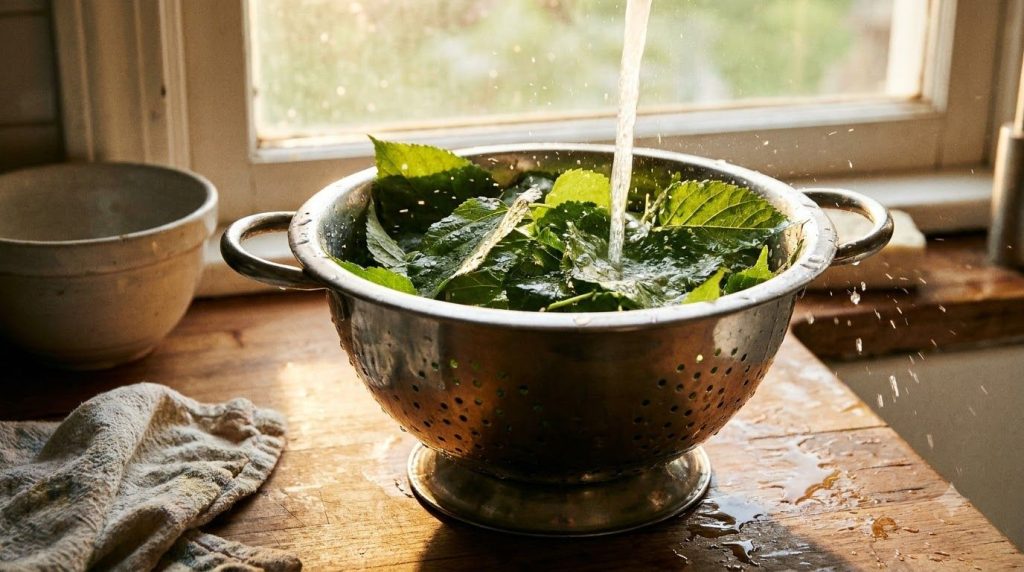
- Rinse the leaves gently under cool water to remove dust.
- Pat them dry or air-dry for 10 minutes.
- If using fresh leaves, tear them into smaller pieces to release flavor.
- Pour water heated to about 90 to 95 C (195 to 203 F) over the leaves.
- Steep for 5 to 7 minutes, then strain.
- Add honey or lemon if you like, and drink while warm.
Savory Use: Blanched Leaf Wraps
Blanching makes mulberry leaves soft enough to wrap rice, herbs, or grains, similar to how grape leaves are used. Blanch the leaves in boiling water for 20 to 30 seconds, then transfer them to cold water. Lay each leaf vein side up, add about 1 tablespoon of filling near the stem, fold the sides, and roll tightly. Steam the wraps for 10 to 12 minutes.
How to Use and How Often
For tea, most people use one cup per day as a light habit. For cooking, mulberry leaves work best as an occasional ingredient rather than a daily staple. Start with small amounts and see how your body responds.
How to Choose the Right Leaves
Look for leaves that are bright green, firm, and free of holes or brown edges. Avoid leaves near roadsides or areas that may have been sprayed. If you buy dried leaves, choose a product that is green rather than dark brown and smells fresh rather than musty.
Quick-Reference Table
| Form | Best Use | Shelf Life |
|---|---|---|
| Fresh young leaves | Wraps and light cooking | 2 to 3 days refrigerated |
| Dried leaves | Tea and infusions | 6 to 12 months in a sealed jar |
| Fresh leaves for tea | Mild, bright tea | Brew the same day |
Storage
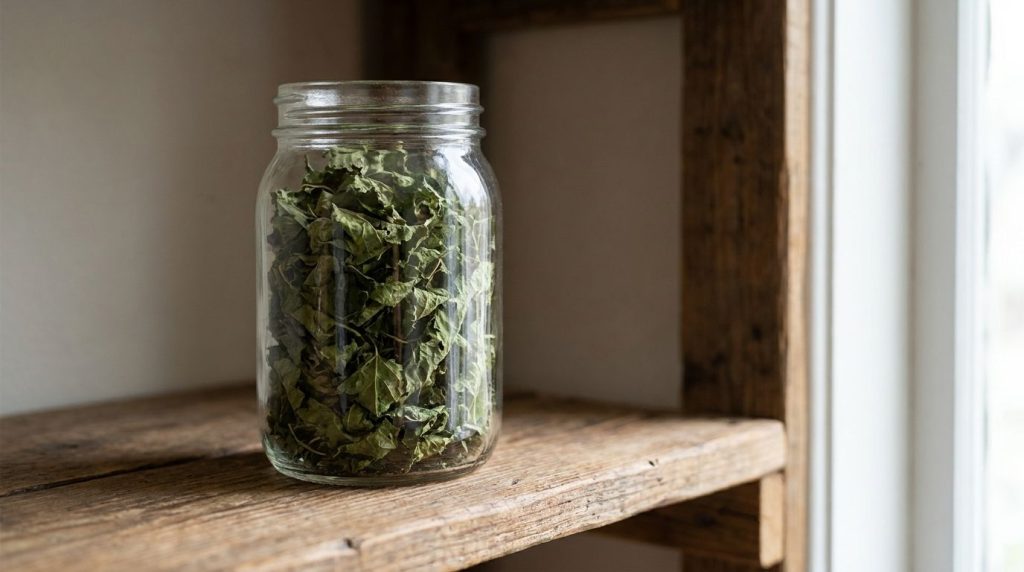
Keep fresh leaves dry, wrapped in a paper towel inside a breathable container, and refrigerate them. Use them within a few days. For dried leaves, store them in an airtight glass jar away from light and heat. Never store leaves in a wet or sealed container, because moisture encourages mold.
Practical Tips
- Harvest young leaves in late spring or early summer for the mildest flavor.
- Dry leaves on a clean screen in shade, not direct sun, to keep their color.
- Combine mulberry leaf tea with mint or lemon balm for a softer taste.
Common Mistakes
- Using leaves from sprayed or polluted areas.
- Boiling tea leaves hard, which can make the flavor bitter.
- Storing damp leaves, which leads to mold within days.
- Using damaged, yellowed, or insect-chewed leaves.
- Drinking large amounts every day without checking how you feel.
Cautions and Who Should Avoid It
Mulberry leaves are generally used as a food or tea in small amounts, but they are not suitable for everyone. Pregnant or breastfeeding people, children, and anyone with a medical condition should speak with a healthcare professional first. If you take medication for blood sugar, blood pressure, or blood thinning, ask your doctor before adding mulberry leaf tea to your routine. Stop using it if you notice discomfort or an allergic reaction.
Quick Summary
Use young, clean leaves for wraps and light cooking. Use dried leaves for a simple tea at 1 to 2 teaspoons per cup. Store fresh leaves refrigerated for a few days and dried leaves in airtight glass. Avoid sprayed trees, damp storage, and over-steeping.
Frequently Asked Questions
Can I use fresh or dried mulberry leaves?
Yes. Fresh leaves suit wraps and light cooking, while dried leaves are better for tea because they keep well.
How long do dried mulberry leaves last?
Stored in a sealed glass jar away from light, they usually stay good for 6 to 12 months.
Can I refrigerate fresh leaves?
Yes. Wrap them in a dry paper towel and keep them in a breathable container for 2 to 3 days.
Can I freeze mulberry leaves?
Blanch them briefly, dry them well, and freeze in a sealed bag. They work best for cooking rather than fresh-style dishes.
Which leaves are best to use?
Young, bright green, undamaged leaves from a clean tree give the best flavor and texture.
Can I reuse tea leaves?
A second, lighter infusion is possible, but the flavor will be weaker and less balanced.
When should I avoid mulberry leaves?
Avoid them if you are pregnant, breastfeeding, or taking medication for blood sugar or blood pressure unless a doctor has approved it.
Conclusion
Mulberry leaves offer a practical way to add a new green ingredient to your kitchen. Start with a simple tea, then try a small batch of blanched wraps once you are comfortable with the flavor and storage.
Read more: a full guide to drying herbs at home
You may also like: simple homemade herbal tea blends
See the full guide: natural remedy ingredients to keep on hand