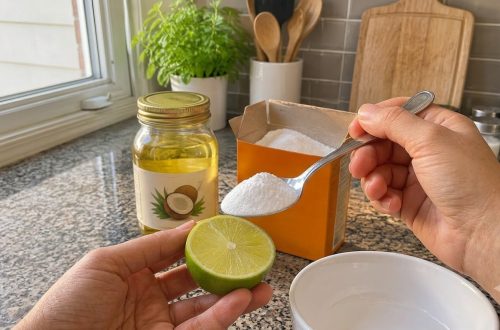
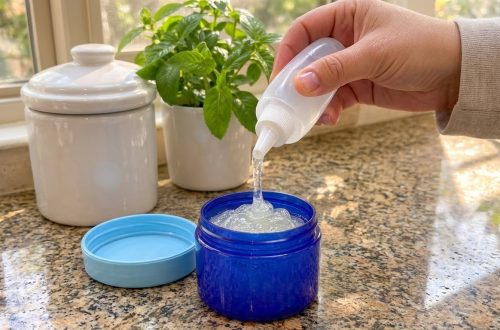
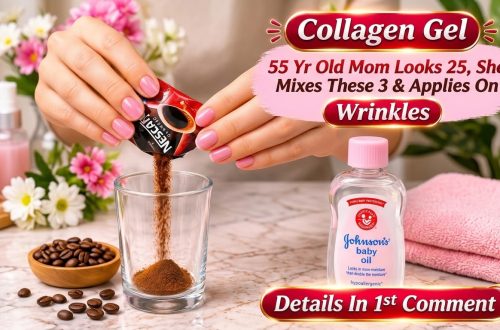
Have you ever wondered why some of the simplest skincare ingredients show up in so many beauty routines? Sometimes the secret to softer-looking skin is not an expensive product. It is about understanding how moisturizing ingredients work together and knowing which combinations suit your skin.
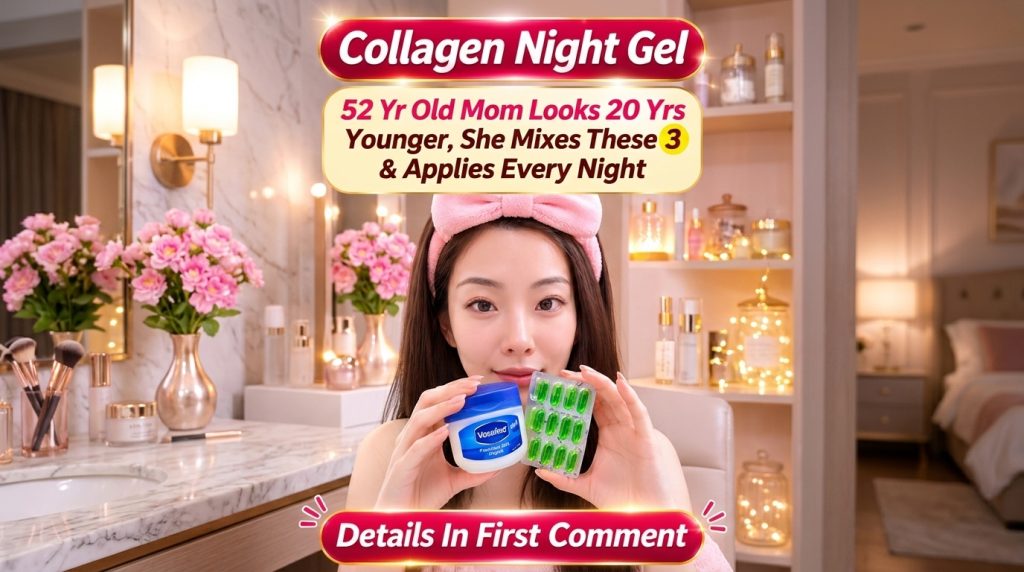
Why Petroleum Jelly Is a Familiar Staple
One of the most recognizable skincare staples is Vaseline Original Petroleum Jelly. It is known for forming a protective layer on the skin that helps reduce moisture loss, which is why many people keep it on their shelves for dry or rough-looking patches.
But what happens when you combine it with ingredients such as vitamin E, finely milled rice powder, green tea, or aloe vera? Many DIY beauty fans experiment with these pairings to create simple homemade gels for their evening or daily routines.
Three Popular DIY Beauty Gel Ideas
Below is a general overview of the three combinations people often explore. Always check the ingredient list and adjust the mix to your own comfort level.
- Vitamin E and Rice Powder Night Gel: A moisturizing blend often used in evening routines for dry, rough-looking skin. It combines petroleum jelly with vitamin E, rice powder, honey, glycerin, and aloe vera.
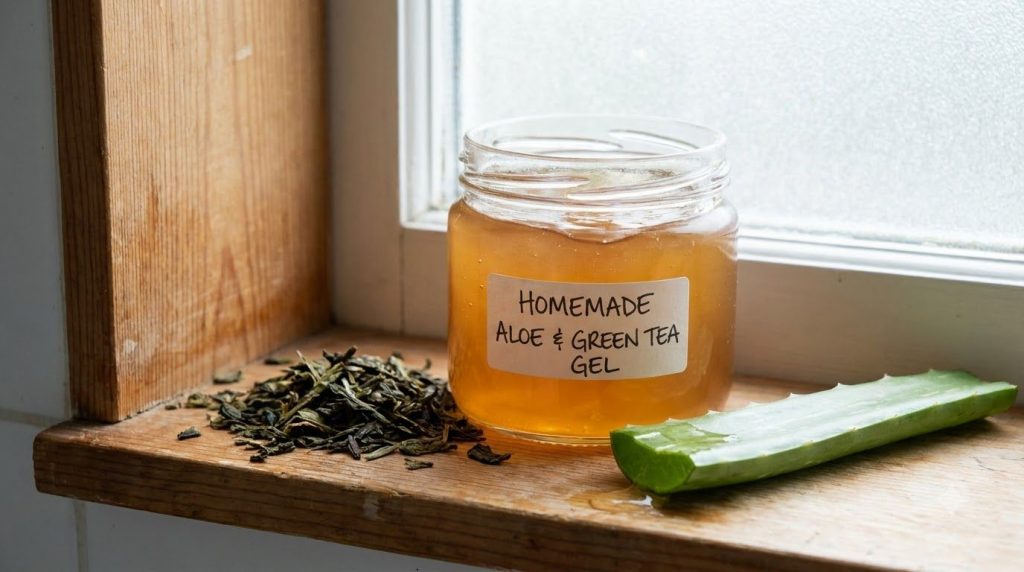
- Green Tea and Aloe Vera Soothing Gel: A lighter option that pairs brewed and cooled green tea with aloe vera, popular with people who prefer a fresher, softer-feeling texture.
- Rice Powder and Petroleum Jelly Smoothing Blend: A gentle combination commonly explored for a smoother-looking finish on dry areas such as elbows, heels, and hands.
Before You Try Any of These Gels
- Patch test first. Apply a small amount to your inner forearm and wait 24 hours before using it on your face.
- Use clean tools and containers. Homemade products do not contain preservatives, so make small batches and store them carefully.
- Skip harsh scrubbing. Finely milled rice powder should be used very gently and never rubbed aggressively into the skin.
- Think about your skin type. Heavy occlusive products may feel too rich for oily or acne-prone skin.
- Talk to a professional. If you have a skin condition, sensitivity, or allergies, consult a dermatologist before trying new homemade products.
Tips for a Softer-Looking, Glowing Complexion
These gels are not a cure or a guaranteed fix. Their role is to support a consistent routine: gentle cleansing, a suitable moisturizer, sun protection during the day, and plenty of water. Used thoughtfully, a simple homemade gel can be a pleasant addition to the way you care for your skin.
Final Thoughts
Simple ingredients can be a helpful part of a thoughtful beauty routine when you understand what they do and use them with care. Start with a patch test, choose the recipe that fits your skin, and keep your expectations realistic. Let us know in the comments which combination you would like to learn more about.