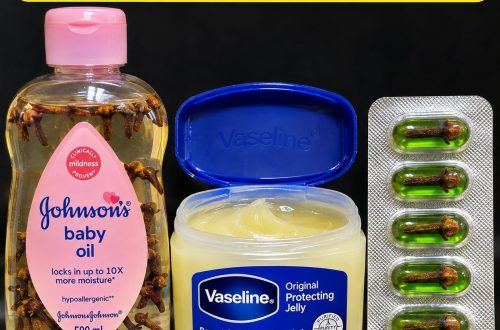
Your kitchen cupboard and bathroom shelf may already hold some of the most useful and affordable skincare basics available. Baking soda, petroleum jelly, and baby oil are inexpensive, widely available, and have long been part of home beauty routines. This guide explains how to use them sensibly, what they can and cannot do, and when to skip them altogether.
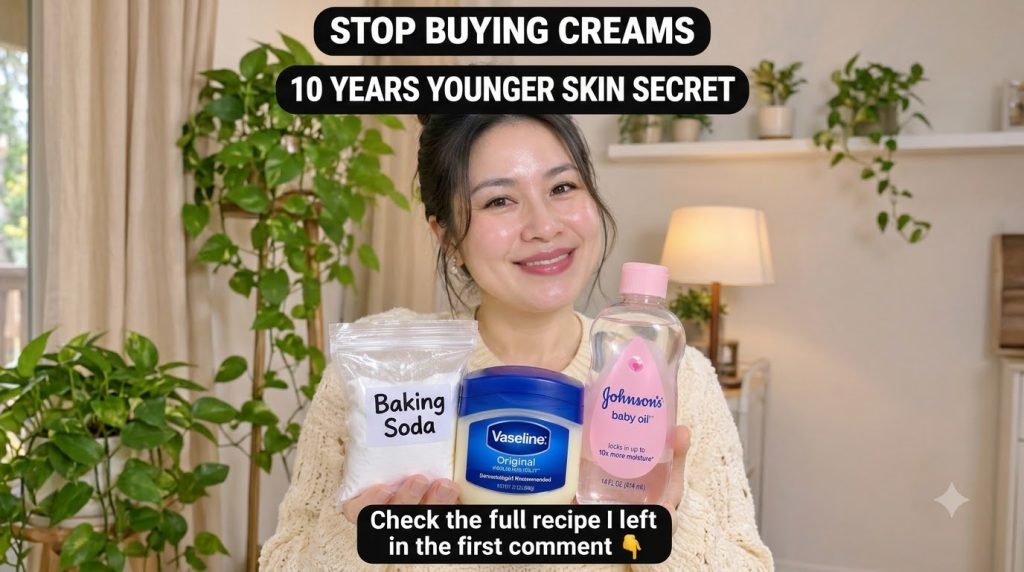
Why Affordable Skincare Can Work
Good skin care depends mostly on consistency: gentle cleansing, moisture, daily sun protection, and patience. Expensive products are not required for every step. Many people find that a simple routine with a few reliable products gives results similar to a crowded bathroom shelf.
Common Household Ingredients and What They Do
Petroleum Jelly for Moisture Protection
Petroleum jelly is an occlusive, which means it forms a barrier that helps skin hold on to water. Applied as a thin layer to slightly damp skin at night, it can soften dry patches on elbows, heels, and lips. It does not add nutrients, but it helps protect the skin barrier while it heals.
Baby Oil for Gentle Cleansing
Baby oil is mineral oil, usually scented. It can help loosen makeup and sunscreen, especially on waterproof products. Because it can clog pores for some people, it is best used as a makeup remover on dry skin, followed by a regular cleanser.
Baking Soda for Occasional Exfoliation
Baking soda is alkaline and mildly abrasive. Some people use a small amount mixed with water for body exfoliation. It can be harsh on the face, so it should never be used daily or on broken, sunburned, or irritated skin.
A Simple Affordable Routine
- Cleanse morning and night with a gentle, fragrance-free cleanser.
- Use a fragrance-free moisturizer while skin is still slightly damp.
- Apply sunscreen every morning, even on cloudy days.
- At night, apply a thin layer of petroleum jelly to dry areas such as elbows, heels, or lips.
- Try gentle exfoliation once or twice a week with a soft cloth or a mild product.
Safety Tips Before You Start
- Patch test any new ingredient on a small area of skin for at least 24 hours.
- Stop using a product if you notice burning, redness, itching, or swelling.
- Avoid oil-based products on acne-prone skin if they cause breakouts.
- Use clean spoons, jars, and fresh ingredients for homemade mixtures.
Realistic Expectations for Ageless-Looking Skin
No pantry ingredient can reverse aging or erase deep wrinkles. Healthy-looking skin comes from sun protection, hydration, good sleep, and a balanced diet. Household staples can support these habits by keeping skin comfortable and well moisturized, which often makes skin look smoother and more even.
Final Thoughts
Affordable beauty is possible when you choose simple tools and use them carefully. Start slowly, listen to your skin, and speak with a dermatologist if you have a medical skin condition. What is your favorite DIY beauty tip? Share it in the comments below!