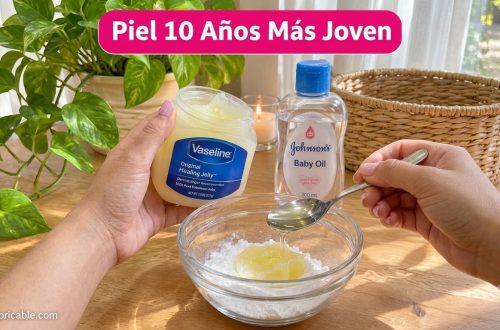
Viral DIY beauty posts often promise dramatic results from a few everyday ingredients. One combination making the rounds online is baby oil mixed with baking soda. The idea sounds simple and inexpensive, which is part of its appeal. However, a popular post is not the same as scientific evidence, so it helps to look at what is actually known about each ingredient before deciding whether to try it.
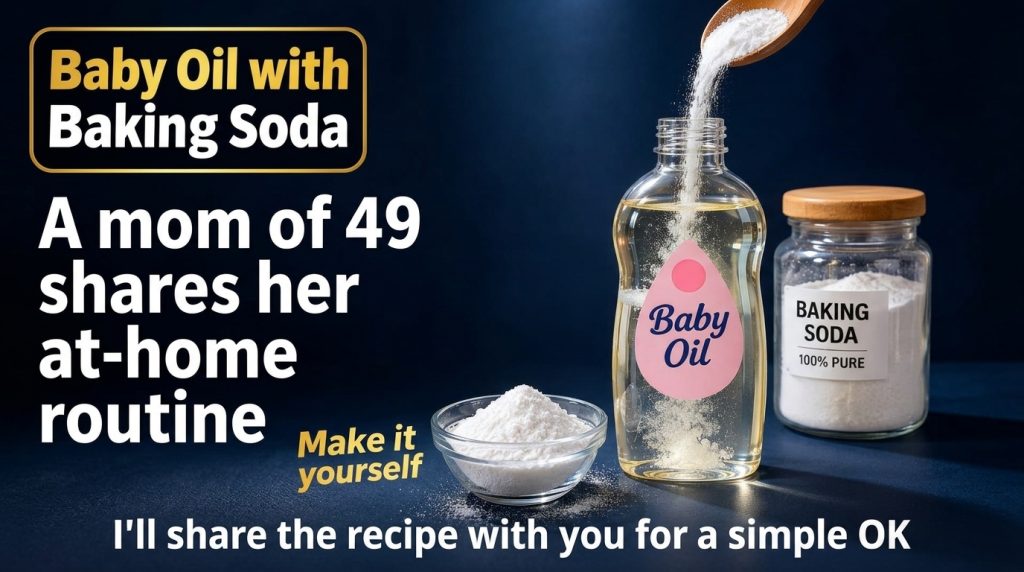
What Is Baby Oil?
Baby oil is typically a blend of mineral oil and fragrance. Mineral oil is an occlusive ingredient, meaning it forms a thin layer on the skin that helps reduce water loss. This is why it is commonly used to lock in moisture after bathing or to soothe dry patches. It does not add nutrients to the skin, and it does not change skin structure in a lasting way.
What Is Baking Soda?
Baking soda, or sodium bicarbonate, is a mildly alkaline powder. It is used in cooking, cleaning, and some personal care products, often as a gentle abrasive or pH adjuster. Because it is alkaline, it can disrupt the skin’s natural acid mantle when used on its own or in high concentrations. People with sensitive or already irritated skin may find that it causes redness, dryness, or stinging.
What the Claims Actually Mean
Many online posts describe dramatic changes in appearance after using this mixture for a few weeks. Those stories are usually anecdotal, and they rarely include controlled testing, consistent methods, or information about other products and habits. There is no reliable evidence that mixing baby oil with baking soda reverses aging, removes wrinkles, or produces a specific appearance result. Readers should treat such claims with caution.
Possible Risks to Consider
- Irritation or redness, especially on the face, around the eyes, or on sensitive skin
- Clogged pores or breakouts from heavy oils in some people
- Uneven texture or grittiness if the powder does not fully dissolve or blend
- Contamination risk if homemade mixtures are stored for long periods or touched with unclean tools
If You Still Want to Experiment
If you decide to test any homemade skincare mixture, take a cautious approach. Start with a small amount on a patch of skin, such as the inner forearm, and wait at least 24 hours to see whether any reaction occurs. Avoid applying it to broken skin, the eye area, or the lips. Use clean containers and utensils, and make only small batches so the mixture does not sit for long. Stop using it if you notice burning, itching, swelling, or any worsening of your skin.
Simple Alternatives for Everyday Skin Care
For reliable results, many people focus on basics that have strong evidence behind them. Gentle cleansing, daily sunscreen, adequate hydration, and a moisturizer suited to your skin type are the foundation of most skin care routines. Ingredients such as ceramides, niacinamide, and hyaluronic acid are often studied for hydration and barrier support. If you have specific concerns like persistent dryness, acne, dark spots, or sensitivity, a dermatologist can recommend an approach that fits your skin.
The Bottom Line
Baby oil and baking soda may be popular in viral DIY content, but popularity does not confirm safety or effectiveness. Understanding what each ingredient does, recognizing the limits of online anecdotes, and testing carefully are the most sensible steps. When in doubt, speak with a healthcare professional before using a homemade remedy on your skin.