Many people are looking for simple, affordable ways to care for their skin before bed. Two products that often appear together in nightly routines are petroleum jelly and Vitamin E. This guide explains what each ingredient is known for, how people commonly use them, and what to keep in mind so your evening routine stays gentle and effective.
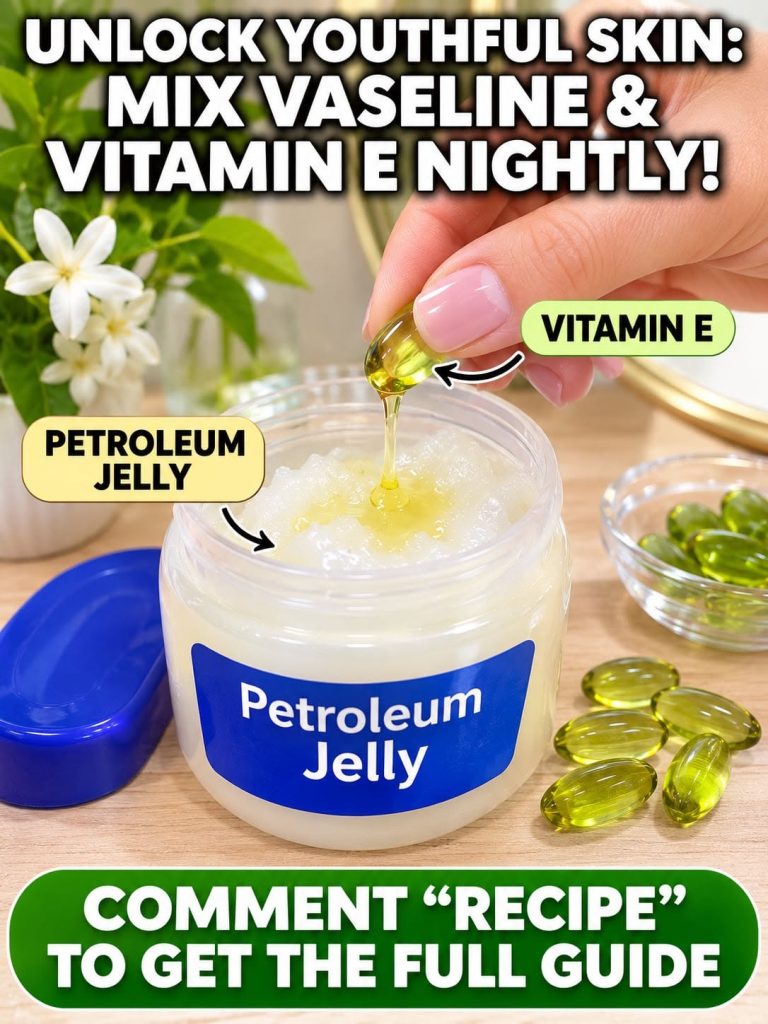 A simple nightly skincare setup featuring petroleum jelly and Vitamin E.
What Is Petroleum Jelly?
Petroleum jelly is a semi-solid mixture of mineral oils and waxes. It is widely used as an occlusive, which means it forms a thin barrier on the skin that helps reduce water loss. This is why it is often recommended for dry patches, chapped lips, and areas that need extra protection overnight.
What Is Vitamin E?
Vitamin E is a fat-soluble antioxidant. It is found naturally in foods such as nuts, seeds, and vegetable oils, and it is also sold in capsule form for topical and oral use. Topically, Vitamin E is commonly included in moisturizers and oils because it is thought to help support the skin’s natural barrier. Research on its exact effects on the skin is still developing, so results can vary from person to person.
Why People Combine Them at Night
The two ingredients are often paired for a simple reason: one helps seal in moisture while the other is valued for its antioxidant properties. Overnight, the skin is able to repair itself, and a richer routine may help it feel softer and more comfortable by morning. Many people describe this kind of routine as a way to support hydration rather than a quick fix.
Important Safety Tips Before You Start
- Do a patch test first. Apply a small amount to a discreet area, such as the inner forearm, and wait at least 24 hours to check for redness or irritation.
- Use only a thin layer. Heavy application can feel greasy and may trap oil and debris on the skin.
- Be cautious if you have acne-prone or oily skin. Petroleum jelly can feel heavy for some people and may not suit every complexion.
- Check the Vitamin E product. Capsules intended for oral use may contain added ingredients, so look for products labeled for topical use if that is your goal.
- Stop using the mix if you notice burning, itching, or swelling.
Who Should Talk to a Professional First
If you have a skin condition such as eczema, rosacea, or a persistent rash, or if you are pregnant or managing a medical concern, speak with a dermatologist or healthcare provider before adding new products to your routine. A professional can help you decide whether this approach fits your needs.
Building a Gentle Nightly Routine
A nightly routine works best when it is consistent and simple. Start by cleansing your face with a gentle cleanser and patting the skin dry. Apply any lightweight serums or moisturizers first, then finish with a small amount of your chosen occlusive product to lock in hydration. Keep your routine steady for several weeks so you can judge how your skin responds.
Final Thoughts
Petroleum jelly and Vitamin E can be practical additions to a nightly skincare routine, especially for people who want affordable, straightforward options. Keep expectations realistic, test before you apply, and pay attention to how your skin feels over time. Thoughtful habits and patience usually matter more than any single product.