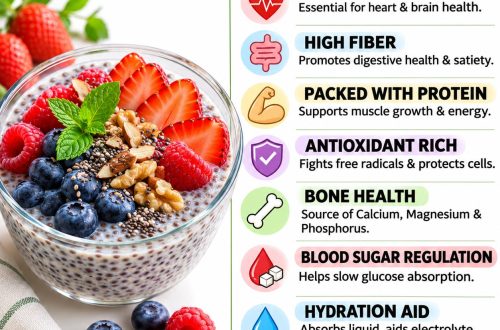
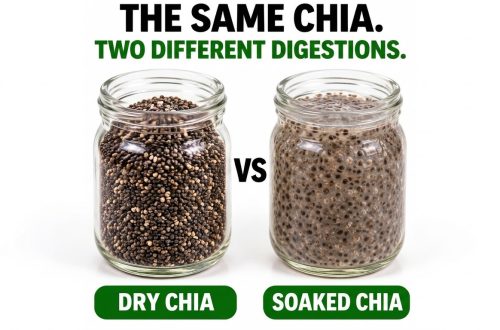
Chia seeds are a popular pantry staple, but how you prepare them may matter as much as how much you eat. A simple soak before eating can change how chia seeds behave in your digestive tract, which may help your body make more of their nutrients.
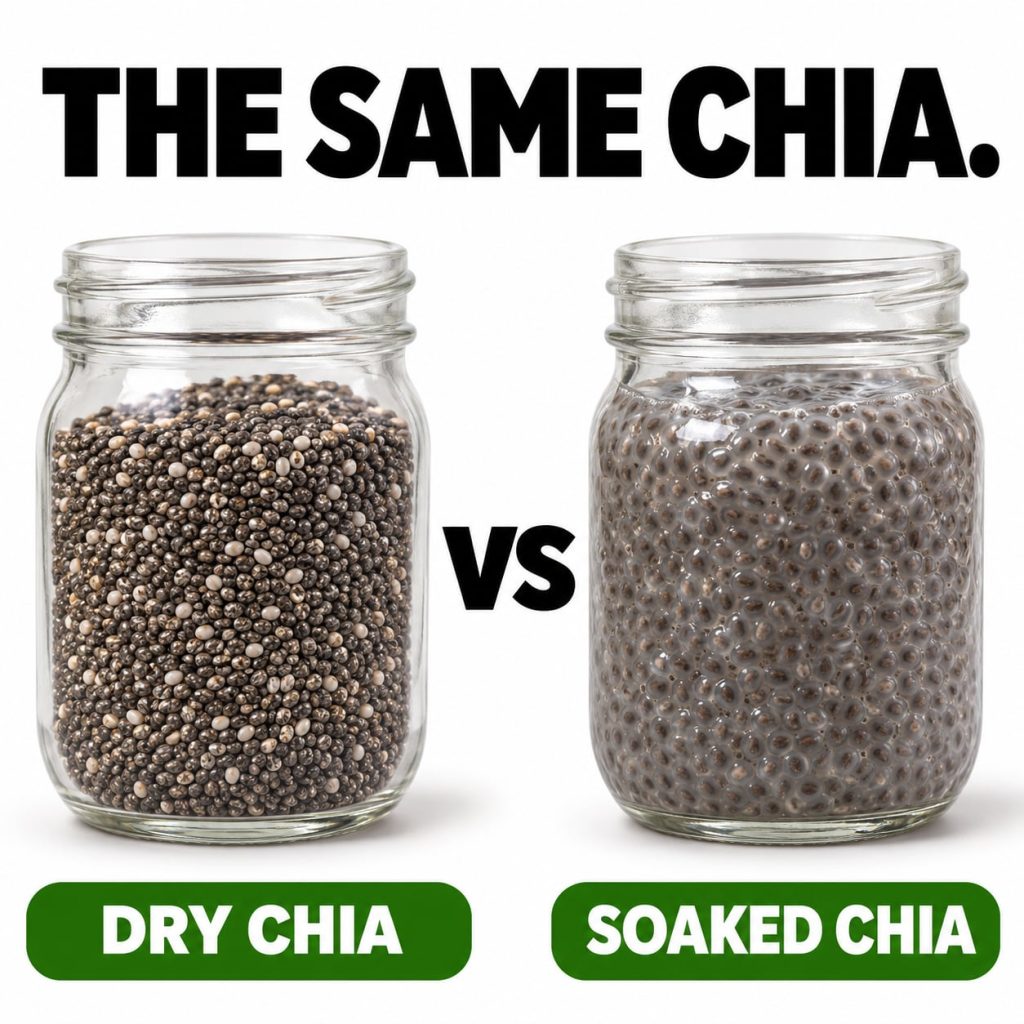
How Soaking Changes Chia Seeds
Dry chia seeds absorb liquid and develop a gel-like coating when they sit in water. Soaking gives them time to hydrate before they reach your stomach, which many people find makes them easier to digest and more comfortable to eat.
Why Nutrient Absorption Matters
Chia seeds contain fiber, protein, and healthy fats, but the body can only use nutrients it can access. Soaking may enhance nutrient uptake by softening the seed and starting the hydration process before digestion begins.
Simple Ways to Soak Chia Seeds
- Measure 2 tablespoons of chia seeds into a glass or jar.
- Add 1/2 cup of water or milk and stir well to prevent clumps.
- Let the mixture rest for 15 to 20 minutes, or leave it overnight for a thicker texture.
- Stir again before eating, then enjoy it on its own or added to yogurt or oatmeal.
Soaked chia seeds can be stored in the refrigerator for up to 3 days in a sealed container.
Supporting Gut Health With Chia
Fiber plays a role in regular digestion, and chia seeds are a source of it. Soaking may make chia easier on the stomach for some people, which can make it simpler to include in a daily routine as part of a balanced diet.
Tips for Getting the Most From Chia Seeds
- Start with a small amount and increase gradually if you are new to chia.
- Drink extra water throughout the day, since chia absorbs a lot of liquid.
- Pair soaked chia with fruits, vegetables, or whole grains for a more complete meal.
Final Thoughts
Soaking chia seeds is a small change that may help your body digest them more comfortably and make the most of their nutrients. When combined with a varied diet, soaking chia seeds can be an easy habit to build into your day.
Medical disclaimer: This article is for general information only and is not a substitute for professional medical advice. If you have digestive concerns or a medical condition, please consult a qualified healthcare professional.