Turmeric has become a popular ingredient in homemade skincare, and many people are curious about whether a simple turmeric face mask can help skin look brighter and more even. This guide explains what turmeric is commonly used for, how to approach a homemade mask safely, and why some viral combinations deserve a closer look before you try them.
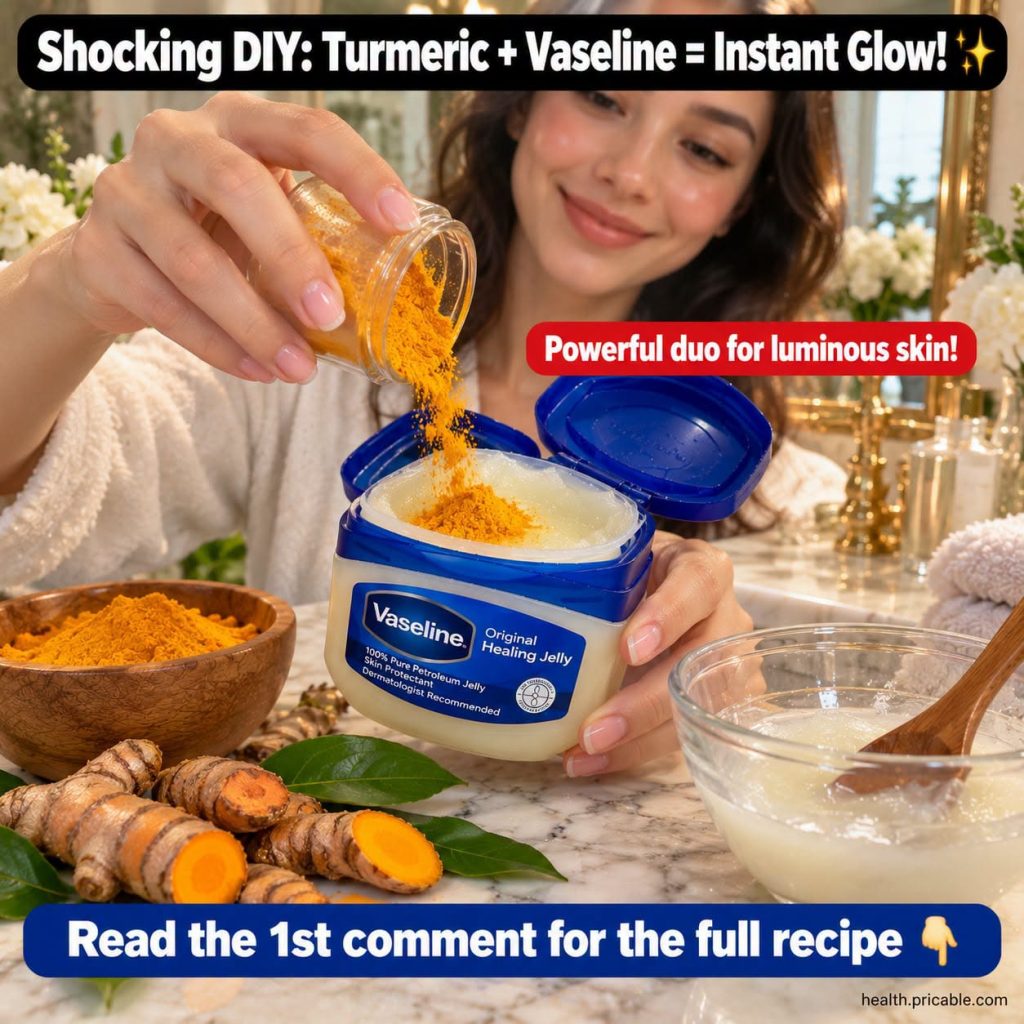 Turmeric is a common kitchen spice that is often used in homemade skincare.
What Is Turmeric Known For?
Turmeric contains curcumin, a compound that has been studied for its antioxidant and anti-inflammatory properties. Research on curcumin is ongoing, and most of the evidence comes from laboratory studies or small trials rather than large clinical studies on face masks. A mask may feel soothing and may be part of a relaxing skincare ritual, but it should not be expected to produce dramatic or immediate changes.
Important Safety Points Before You Mix Anything
- Turmeric can stain. Its yellow-orange pigment can linger on skin, towels, grout, and clothing, so work over a sink and use an old towel.
- Patch test first. Apply a small amount to a discreet area, such as the inner arm or jawline, and wait at least 24 hours to check for redness, itching, or irritation.
- Avoid broken or sensitive skin. Do not apply turmeric mixtures to cuts, rashes, or areas affected by active acne.
- Keep it fresh and clean. Use clean utensils and bowls, and make only the amount you need for one application.
Why Petroleum Jelly Is Not a Recommended Partner
Some viral posts suggest mixing turmeric with petroleum jelly for fast results. There is no reliable evidence that this combination produces instant glow. Petroleum jelly is occlusive, which means it forms a barrier that holds ingredients against the skin. For some people, that trapping effect can increase irritation, and it can also make staining more likely. If you are looking for a moisturizing step, it is safer to choose a product designed for facial skin and to follow its label directions.
A Simple Approach to a Turmeric Mask
If you want to explore a homemade mask, keep the approach gentle and realistic. Many people combine a small pinch of turmeric with a carrier such as plain yogurt or honey, mix to a smooth paste, and apply a thin layer to clean skin while avoiding the eye area. Leave it on for a short period, rinse thoroughly with lukewarm water, and then follow with your usual moisturizer. Stop using the mask if you notice burning, stinging, or persistent redness.
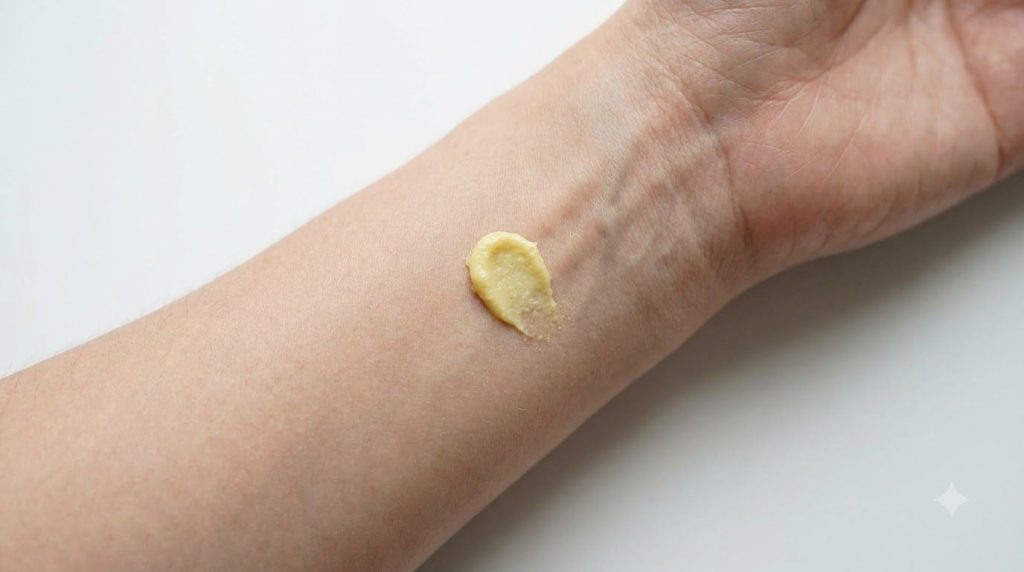 A patch test helps you check for irritation before applying a mask to your face.
Realistic Expectations for Natural Skincare
Healthy-looking skin usually comes from consistent habits rather than a single treatment. Daily sun protection, gentle cleansing, adequate hydration, and a balanced diet all support the skin’s appearance over time. A homemade mask can be one enjoyable part of a routine, but it works best as a supplement to these basics rather than a replacement for them.
When to Speak With a Professional
If you have persistent dark spots, ongoing irritation, or a skin condition that worries you, consult a dermatologist or qualified skincare professional. They can recommend options that are appropriate for your skin type and history.
Have you tried a homemade turmeric mask, or do you have a favorite natural skincare ingredient? Share your experience in the comments below.