Most people pull dandelions out of the lawn without a second thought, but the leaves, flowers, and roots have been used in home kitchens for generations. The trick is knowing which parts to harvest, how to prepare them, and how to avoid the mistakes that make them bitter or unpleasant.

What Dandelion Is
Taraxacum officinale is a perennial plant found across temperate regions. Every part of the plant is edible, but most home preparations use the young leaves, the flower heads, or the dried root. The leaves have a slightly bitter taste that works well in salads, soups, and herbal teas.
Ingredients You Need
- Young dandelion leaves, harvested before the plant flowers
- Dandelion flower heads (optional, for tea or syrup)
- Dried dandelion root, cut or chopped (for roasted root tea)
- Water, olive oil, lemon juice, and a pinch of sea salt for basic preparations
Approximate Measurements
- Fresh leaves for salad: 1 to 2 cups per serving
- Dried leaves for tea: 1 to 2 teaspoons per cup of hot water
- Dried root for tea: 1 teaspoon per cup, simmered for 10 minutes
- Flower heads for infusion: 1/2 cup loosely packed per cup of water
Simple Dandelion Leaf Salad
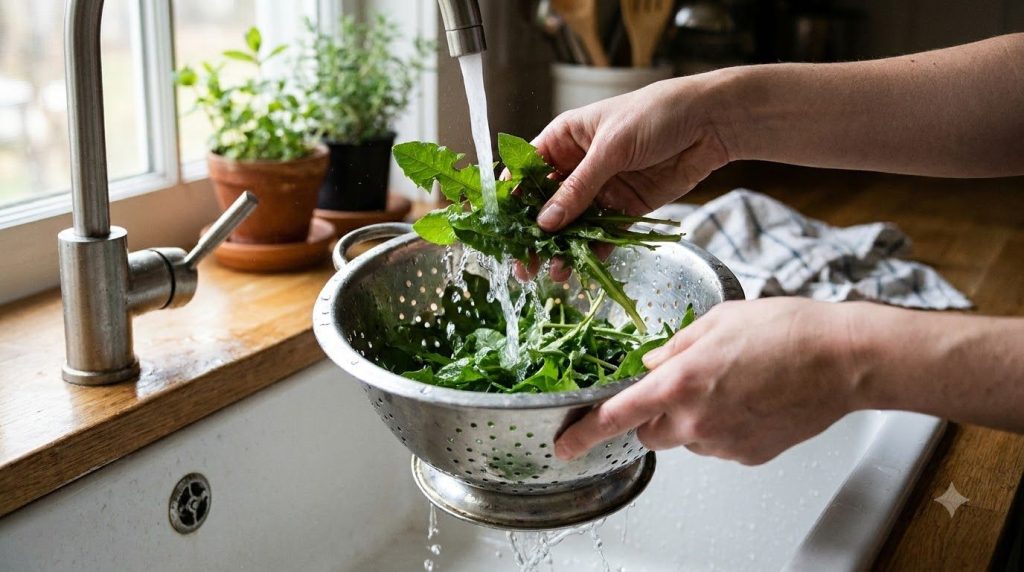
Wash 2 cups of young leaves thoroughly in cold water. Pat dry. Whisk 2 tablespoons of olive oil, 1 tablespoon of lemon juice, and a small pinch of salt. Toss the leaves with the dressing and add sliced radish or boiled egg if you like. The dressing softens the bitterness and makes the greens easy to eat.
Step-by-Step: Dandelion Leaf Tea
- Harvest young leaves from a clean area with no pesticides or road runoff.
- Rinse the leaves and pat them dry.
- Chop them finely, or dry them on a clean towel for 24 to 48 hours in a shaded spot.
- Bring 1 cup of water to a gentle boil, then remove it from the heat.
- Add 1 to 2 teaspoons of dried leaves and cover the cup.
- Steep for 5 to 7 minutes, then strain.
How to Use It
Dandelion leaf tea is usually served plain or with a slice of lemon. Salad greens can be added to sandwiches, grain bowls, or omelets. Flower heads can be steeped into a mild, honey-sweetened infusion. Roasted root can be brewed as a coffee-style drink after it is dried, roasted until dark brown, and ground.
How Often to Use It
Start with one small serving a few times per week and see how your body responds. Most home cooks rotate dandelion greens with other leafy vegetables rather than eating them daily. Moderation keeps the flavor pleasant and avoids overwhelming your palate.
Before You Harvest: How to Choose Good Plants
Choose young plants with bright green leaves. Avoid leaves that are yellowed, slimy, or heavily chewed by insects. Harvest from lawns that are not treated with herbicides, and stay away from busy roadsides where exhaust and runoff collect. If you buy dandelion greens at a market, look for firm leaves with no wilting.
Storage
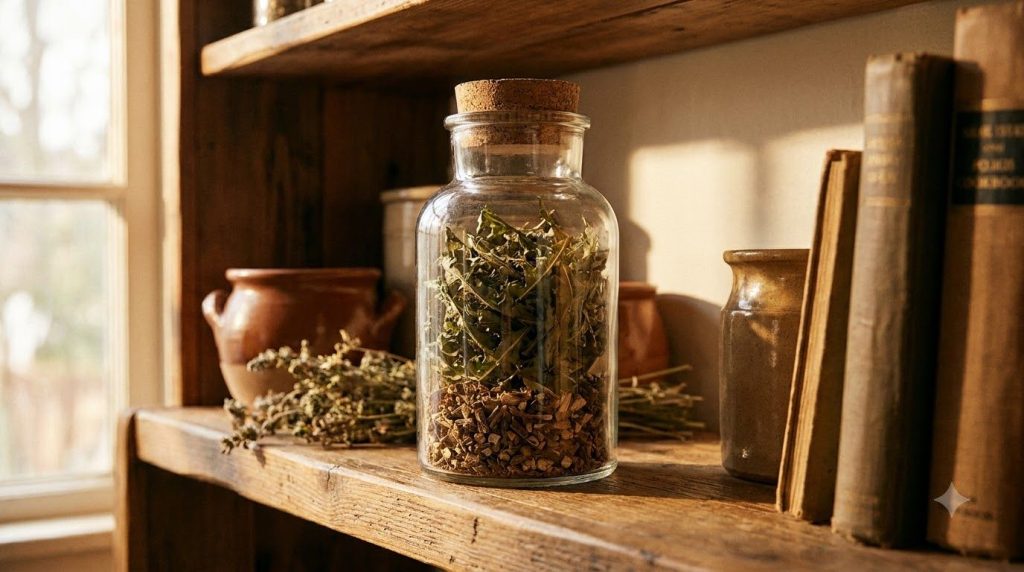
Fresh leaves keep for 2 to 3 days wrapped in a damp paper towel inside a sealed container in the refrigerator. Dried leaves and root should be stored in an airtight glass jar away from light and moisture. Dried material usually stays flavorful for about 6 to 12 months.
Fresh vs Dried: Quick Reference
| Version | Best Use | Storage Time | Flavor Profile |
|---|---|---|---|
| Fresh young leaves | Salads, sautés, soups | 2 to 3 days refrigerated | Sharp, slightly bitter |
| Dried leaves | Tea blends | 6 to 12 months sealed | Mild, grassy |
| Flower heads | Light infusions, syrup | Use within 1 to 2 days fresh | Sweet, delicate |
| Roasted root | Coffee-style brew | 6 to 12 months sealed | Earthy, roasted |
Practical Tips
- Pick leaves in the morning after dew dries for the freshest texture.
- Blanch older leaves for 30 seconds to reduce bitterness before sautéing.
- Pair dandelion with fat, such as olive oil or butter, to balance its bite.
- Label jars with the harvest date so you know when to refresh your stock.
Common Mistakes
- Harvesting from sprayed lawns or roadside edges.
- Using leaves that are old, tough, or flowering heavily, which become very bitter.
- Storing damp leaves in a sealed bag, which causes quick spoilage.
- Boiling leaf tea for a long time, which makes it taste harsh.
- Skipping the rinse, leaving dirt and insects in your dish.
Cautions and Who Should Avoid It
Dandelion can interact with some medications, including diuretics and certain antibiotics, so check with your healthcare provider first if you take prescription medicine. People with allergies to ragweed, chrysanthemums, or related plants may react to dandelion. Pregnant or breastfeeding women should seek medical advice before drinking it regularly. Stop use if you notice any unusual symptoms.
Quick Summary
- Best preparation: young leaves in salads or dried leaves in mild tea.
- Best use case: light, everyday greens or a simple herbal infusion.
- Storage: fresh leaves for a few days, dried material in an airtight jar.
- When to use: in the spring when leaves are young and tender.
- What to avoid: sprayed lawns, roadside plants, and old bitter leaves.
Frequently Asked Questions
Can I use fresh or dried dandelion?
Yes. Fresh leaves work best in salads and sautés, while dried leaves are better for tea because they brew evenly.
How long does dandelion tea last?
Brewed tea is best consumed the same day. Dried leaves stored properly keep their flavor for about a year.
Can I refrigerate dandelion greens?
Yes. Wrap them in a damp paper towel inside a sealed container and use them within 2 to 3 days.
Can I freeze dandelion leaves?
Blanch them for about 30 seconds, cool in ice water, drain well, and freeze in small portions. Frozen greens work best in soups and cooked dishes.
What part of the plant is best?
Young leaves are the most common choice for food. Roots are used for roasted tea, and flower heads for light infusions.
Can I reuse dandelion leaves for tea?
Leaves are usually used once. A second steep is weaker and less flavorful, so it is better to prepare a fresh batch.
When should I avoid dandelion?
Avoid it if you have a ragweed-family allergy, take medications that interact with it, or are pregnant or breastfeeding without medical advice.
Final Thoughts
Dandelion is more useful in the kitchen than most people expect. Start with a simple salad or a mild dried-leaf tea, harvest carefully from clean areas, and store your materials properly. A small, consistent routine will tell you more than any single recipe.
Read more: how to identify safe wild greens at home
You may also like: easy herbal tea blends for beginners
See the full guide: how to dry and store garden herbs