Walk down any cereal aisle and you will find oats in a dozen forms: rolled, quick, instant, steel-cut, and ground into flour. They look similar in the bowl, yet many readers wonder which one actually delivers the most benefits. The short answer is that all whole oat forms are nutritious. The longer answer depends on how each type is processed, how quickly it digests, and how well it fits your daily routine and health goals.
Why Oats Are Worth Eating in the First Place
Oats are a whole grain, which means the bran, germ, and endosperm are all present. This gives them a useful nutritional profile, including soluble fiber called beta-glucan, plant protein, magnesium, iron, and B vitamins. Beta-glucan is especially valued because it forms a gel in the gut, which can help slow digestion and support healthy cholesterol levels when eaten as part of a balanced diet.
How Each Type Is Processed
The differences between oat types come down to how much the grain is cut, steamed, or flattened before it reaches your bowl.
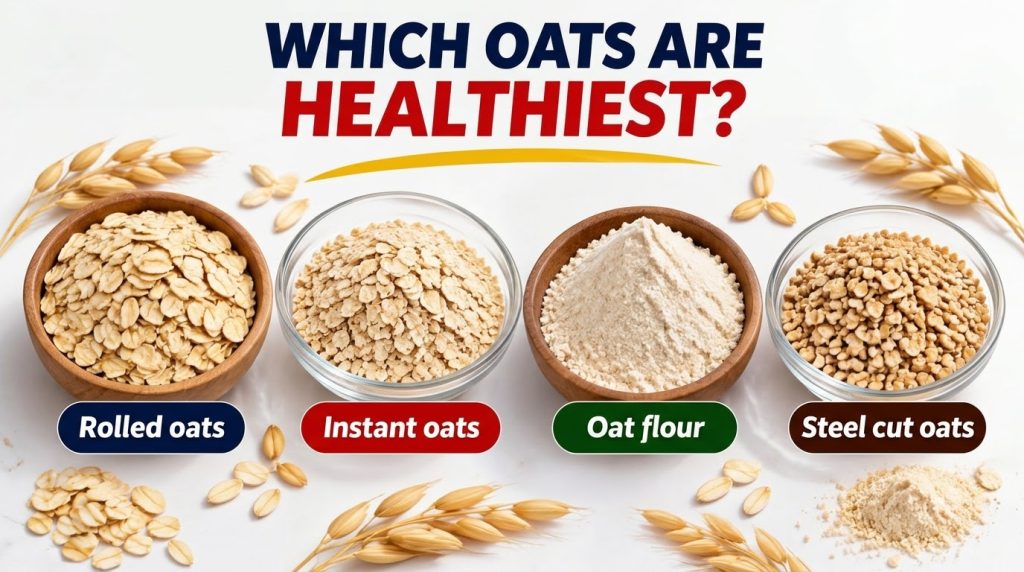
- Steel-cut oats are whole oat groats chopped into small pieces. They are the least processed form and keep the most intact structure.
- Rolled oats are groats that are steamed and then pressed flat with rollers. They keep most of their fiber and cook in about five to ten minutes.
- Instant oats are steamed longer and rolled thinner, so they cook in a minute or two. Their thinner structure makes them digest more quickly.
- Oat flour is made by grinding whole oats into a fine powder. Because the particles are so small, it is often the fastest of the four to digest, though it still contains fiber when made from whole oats.
So, Which Oats Are Healthiest?
For most people, the healthiest choice is the least processed oat that fits your schedule. In general, steel-cut and rolled oats are the best all-round options. They have a lower glycemic impact than instant oats, which helps keep energy steadier through the morning. They also tend to feel more filling, which can support appetite control.
Instant oats are still a nutritious whole grain. The main concern is with flavored packets, which often contain added sugar and sometimes sodium. Plain instant oats, or a quick rolled-oat version, offer a convenient alternative without the extra sweeteners.
Oat flour is a useful ingredient for baking and smoothies rather than a standalone breakfast for most people. It is excellent for adding whole-grain nutrition to pancakes, muffins, and flatbreads, especially if you are looking for a gluten-free baking base when certified gluten-free oats are used.
How to Choose the Right Oats for Your Goals
- For steady energy and fullness: choose steel-cut or old-fashioned rolled oats.
- For busy mornings: choose plain instant oats and add your own fruit, nuts, or seeds.
- For baking and smoothies: use oat flour made from whole oats, or grind rolled oats at home.
- For a budget-friendly staple: rolled oats offer the best balance of price, flexibility, and nutrition.
Simple Tips to Make Any Oat Type Healthier
- Read labels and choose products with no added sugar or only a small amount.
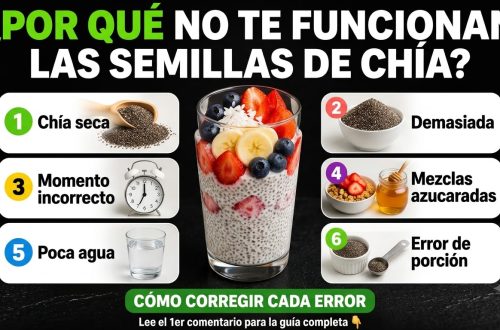
- Add protein and healthy fats, such as Greek yogurt, nuts, or chia seeds, to balance the meal.
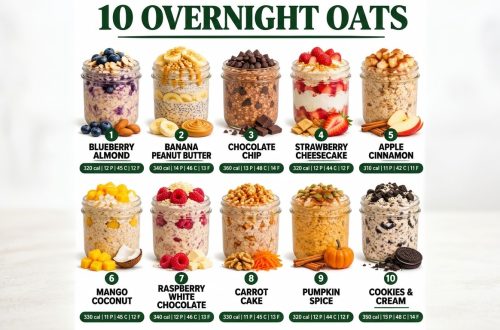
- Top with fresh berries or sliced fruit for extra fiber, vitamins, and natural sweetness.
- Cook oats with water or unsweetened milk, and season with cinnamon instead of syrup.
The Bottom Line
No single oat type is a miracle food, and all of them are a smart addition to a balanced diet. If you want the most minimally processed option with steady energy, steel-cut and rolled oats are your best bet. If convenience matters most, plain instant oats are a healthy choice. Choose the form you will actually enjoy eating consistently, because regular habits matter more than small differences between types.