Most people throw away the leaves and keep only the fruit, yet avocado leaves have a long record in home preparations. This is the part most people skip: the leaves must be handled correctly, or the batch turns out weak, bitter, or spoiled within a day.
What Avocado Leaves Are
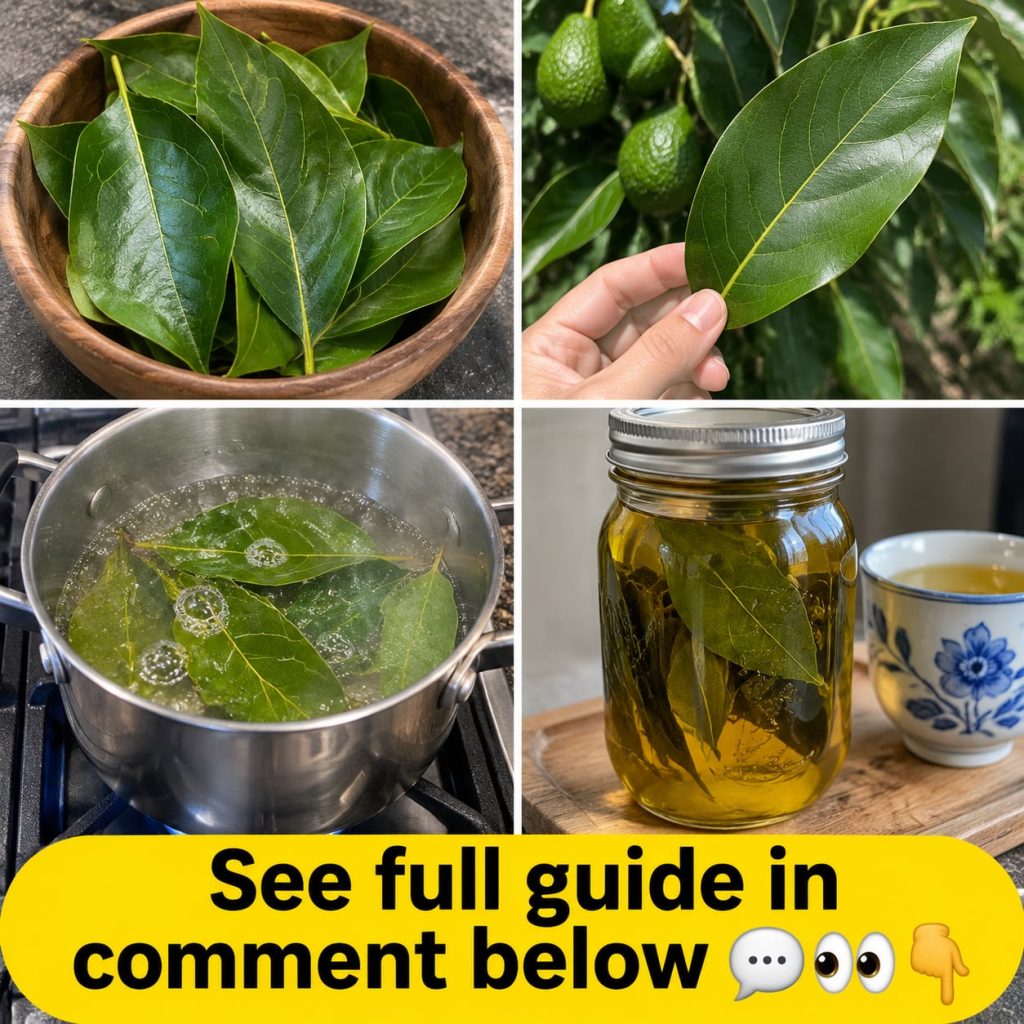
Avocado leaves come from the tree Persea americana. They are oval, leathery, and slightly aromatic when crushed. In some regions they are used in teas, rinses, and topical preparations. Human research is limited, so treat any leaf preparation as a traditional home method rather than a treatment.
Ingredients and Approximate Measurements
- 6 to 8 fresh, healthy leaves, or 3 to 4 dried leaves
- 2 cups (480 ml) filtered water
- 1 thin slice fresh ginger (optional)
- 1 teaspoon raw honey, added only after cooling (optional)
Fresh vs Dried Leaves
| Feature | Fresh Leaves | Dried Leaves |
|---|---|---|
| Amount needed | 6 to 8 leaves | 3 to 4 leaves |
| Flavor strength | Mild and grassy | Stronger and more concentrated |
| Fridge life of prepared liquid | Up to 48 hours | Up to 48 hours |
| Shelf life of raw leaves | 3 to 5 days refrigerated | Up to 6 months sealed |
Step-by-Step Method
- Rinse the leaves under cool running water to remove dust and debris.
- Pat them completely dry with a clean towel. Water left on the leaves can dilute the flavor and encourage spoilage.
- Crush or tear the leaves gently to release their aroma.
- Bring the water to a gentle simmer in a small pot, then add the leaves and ginger if using.
- Simmer for 5 minutes. Do not boil hard, because harsh heat can make the infusion bitter.
- Remove from heat, cover, and steep for 10 minutes.
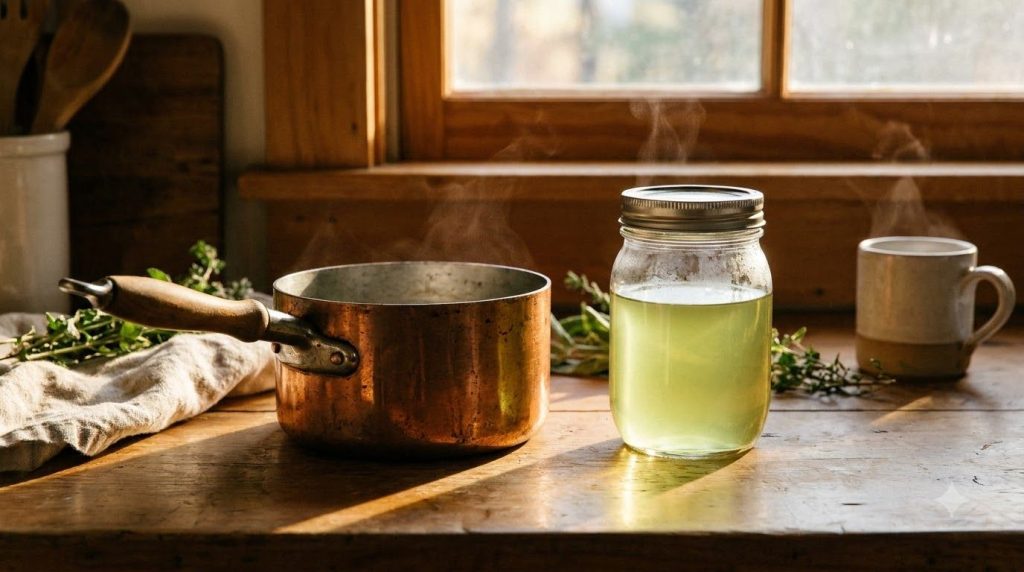
- Strain through a fine mesh sieve into a clean glass jar.
- Let it cool fully before use or refrigeration.
How to Use It
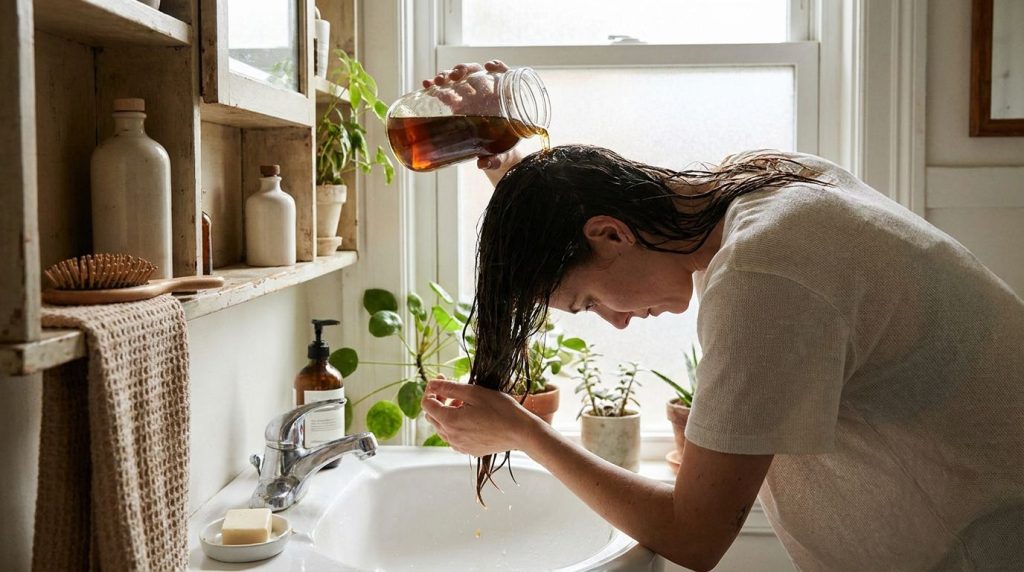
The safest common use is external. Many people use a cooled infusion as a scalp or hair rinse after shampooing, or as a gentle compress on minor skin areas. Before any new use, apply a small amount to the inner forearm and wait 24 hours to check for redness or irritation.
Quick Tip: Pour the cooled liquid over clean hair, massage gently, and leave for 2 to 3 minutes before rinsing with cool water.
How Often to Use It
For external use, two to three times per week is a reasonable starting point. Prepare a fresh batch every 24 to 48 hours. Do not use an old batch that smells sour or looks cloudy.
How to Choose Good Leaves
Choose leaves that are glossy, unbroken, and free of black spots or insect damage. If you can, use leaves from a tree you know has not been sprayed with pesticides. For dried leaves, buy from a reputable herb supplier that lists harvest and packaging details and stores product in sealed bags.
Storage
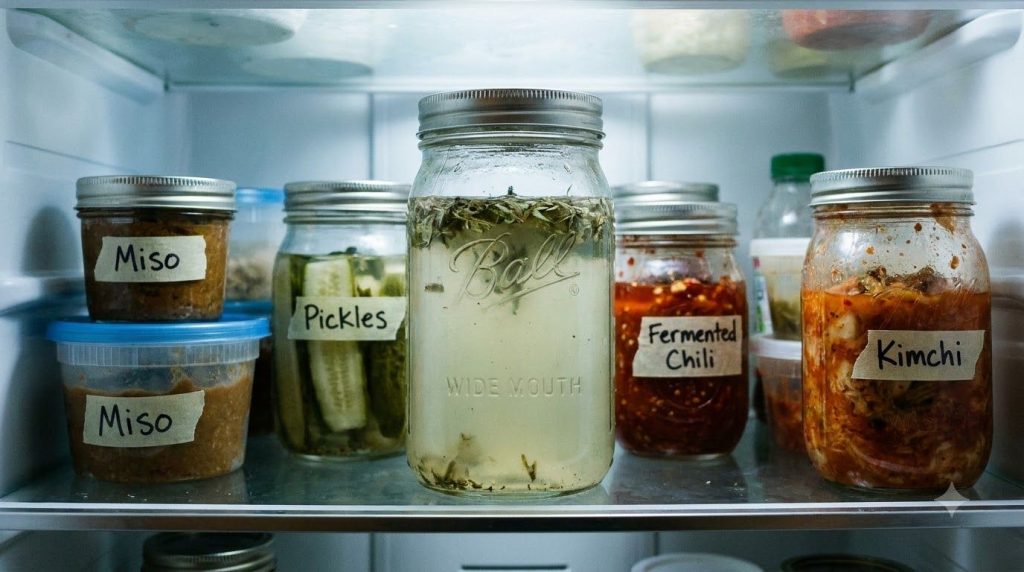
Keep the cooled liquid in a sealed glass jar in the refrigerator for up to 48 hours. For longer storage, pour it into ice cube trays and freeze for up to one month. Store dried leaves in an airtight container away from light and heat for up to six months.
Practical Tips
Did You Know? Leaves simmered too long often taste harsher than leaves steeped gently. Start with a shorter simmer and adjust next time.
Before You Brew: Label every jar with the date you made it. It is easy to forget when a batch was prepared.
Common Mistakes
- Using damaged, moldy, or sprayed leaves
- Boiling the leaves hard for a long time
- Storing the liquid in a wet or unclean jar
- Skipping the drying step, which dilutes the flavor and speeds spoilage
- Using old batches that have changed smell or color
- Assuming a stronger batch works better
Cautions and Who Should Avoid It
Avocado leaves contain compounds that can be harmful to pets, horses, birds, and livestock. Keep preparations and leaves away from animals. Do not drink the infusion as a routine habit. Avoid use if you are pregnant, breastfeeding, have a known avocado allergy, have sensitive or broken skin, or take medication. Speak with a healthcare professional before using any herbal preparation if you have a medical condition.
Quick Summary
| Topic | Best Choice |
|---|---|
| Best preparation | Gentle simmer, then steep and strain |
| Best use case | External rinse or compress after patch test |
| Storage | Refrigerate up to 48 hours or freeze up to 1 month |
| When to use | Two to three times per week |
| What to avoid | Internal use, animal exposure, sour or moldy batches |
Frequently Asked Questions
Can I use fresh or dried leaves?
Yes. Fresh leaves give a milder flavor, while dried leaves are more concentrated. Use fewer dried leaves than fresh.
How long does the infusion last?
Refrigerate it for up to 48 hours. Freezing extends storage to about one month.
Can I refrigerate it?
Yes, always cool it fully first and keep it in a sealed glass jar.
Can I freeze it?
Yes. Freeze it in ice cube trays and thaw only what you need.
Can I reuse the leaves?
It is better to use fresh leaves for each batch, since reused leaves release little aroma and may spoil quickly.
When should I avoid it?
Avoid it if you are pregnant, breastfeeding, allergic to avocado, have broken skin, or live with pets or livestock that may eat the leaves.
Conclusion
Avocado leaves can be a practical part of a simple home preparation when you choose clean leaves, prepare them gently, store the liquid properly, and use it externally after a patch test. Keep your expectations realistic and treat it as a traditional method, not a guaranteed solution.
You may also like: Basic Herbal Hair Rinses for Everyday Care.
Related remedy: How to Make a Simple Herbal Infusion at Home.
Continue with: Storage Tips for Homemade Herbal Preparations.