Who doesn’t want skin that looks soft, plump, and full of life? If your complexion has been feeling dry, tight, or a little dull lately, you are not alone. The good news is that you may already have a simple, affordable hydration helper sitting in your bathroom cabinet. In this guide, we will walk through a easy at-home method using baby oil and petroleum jelly to help lock in moisture and support a more radiant look.
Why Hydration Matters for a Glowing Complexion
Your skin loses water throughout the day from the weather, air conditioning, hot showers, and even stress. When moisture drops, skin can feel rough, look flaky, and show fine lines more easily. Keeping your skin hydrated helps it reflect light better, which is why well-moisturized skin often looks brighter and smoother.
Think of hydration as the foundation of a glowing routine. Water on its own evaporates quickly, so you need something that helps seal moisture in place. That is where occlusive ingredients like petroleum jelly and oils come in handy.
What Each Ingredient Does
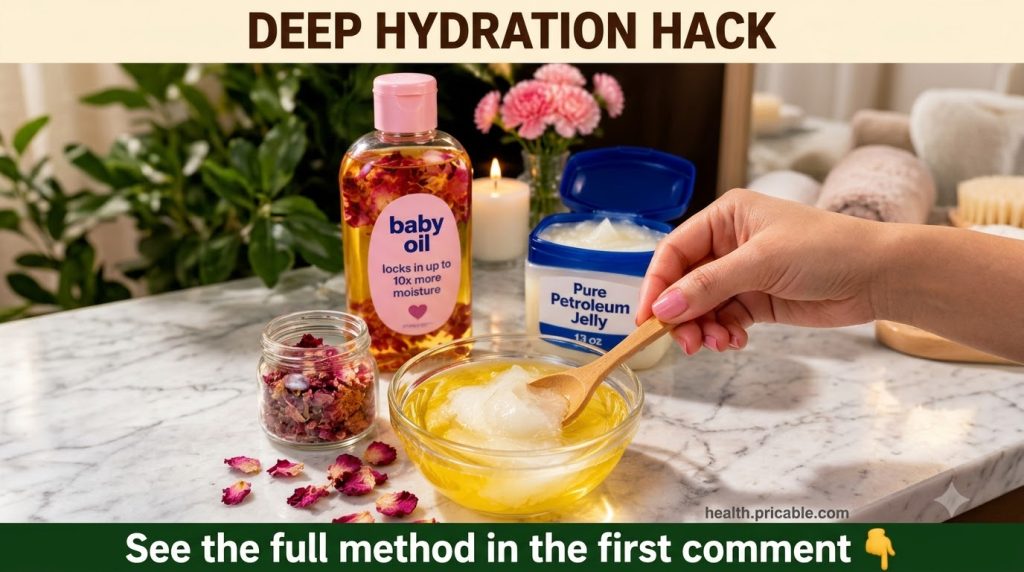
Baby Oil
Baby oil is a light mineral oil that feels smooth on the skin. It helps soften dry patches and leaves a silky finish that makes skin feel comfortable right away.
Petroleum Jelly
Petroleum jelly is a classic occlusive. It forms a thin, protective layer that helps keep moisture from escaping, which is why it is often used on dry elbows, heels, and chapped lips.
Simple DIY Hydration Method
Here is a gentle overview of the approach many people try at home. Always start with clean skin and a patch test on a small area first.
- Cleanse your face with a mild cleanser and pat dry, leaving skin slightly damp.
- Mix a small amount of baby oil with a pea-sized amount of petroleum jelly in a clean glass bowl until smooth.
- Gently press the mixture onto areas that feel driest, avoiding the eye area and any broken skin.
- Leave it on for a short time or overnight, then wipe away any excess with a soft tissue.
Tips for Best Results
- Use a light hand. A thin layer goes a long way.
- Choose this method for dry or dehydrated skin. If you have oily or acne-prone skin, try it only occasionally or on drier spots.
- Pair it with a hydrating routine, such as a gentle toner and a daily moisturizer with SPF in the morning.
- Stop using it if you notice redness, itching, or breakouts.
Common Mistakes to Avoid
Many people apply too much product, which can leave skin greasy and may clog pores. Another common mistake is skipping the patch test. Your skin is unique, so listening to how it responds is always the best guide.
A Gentle Reminder
This is a simple at-home self-care idea, not a replacement for medical treatment. If you have a persistent skin concern, a dermatologist can help you find the right care plan for you.
Ready to give your skin a little extra comfort this week? Try the method on a small area first, and enjoy that soft, refreshed feeling. Your radiant glow is closer than you think!