Starting a wellness journey often means asking one practical question: how do I eat well enough to feel satisfied, energized, and on track without feeling deprived? A well-planned 1,200 kcal meal plan can be a useful framework for many adults, especially those who want a structured, balanced approach to daily eating. In this guide, we explain how the plan works, why its components matter, and how to build it with whole, nourishing foods.
What Is a 1,200 kcal Meal Plan?
A 1,200 kcal meal plan provides roughly 1,200 calories per day. This is a relatively low energy intake, so it is generally designed for specific situations, and it is most appropriate when it is planned carefully and reviewed with a qualified healthcare professional. Because calorie needs vary widely based on age, sex, body size, activity level, and health status, no single number fits everyone.
Why Balance Matters More Than the Number
Two meal plans with the same calorie total can affect your body very differently. A plan rich in refined sugar and low in protein may leave you hungry within a couple of hours. A plan with fiber, protein, healthy fats, and plenty of vegetables tends to keep hunger in check and support steady energy throughout the day.
The Core Principles of a Satisfying Plan
- Prioritize protein at every meal. Protein helps you feel full longer and supports muscle maintenance, which matters even more when calories are limited.
- Choose high-fiber carbohydrates. Vegetables, legumes, oats, and whole grains digest slowly and support digestive health.
- Include healthy fats in moderation. Foods such as avocado, nuts, seeds, and olive oil support brain health and help your meals taste satisfying.
- Eat plenty of vegetables. Vegetables add volume, vitamins, minerals, and antioxidants for very few calories.
- Stay hydrated. Water supports digestion, energy levels, and appetite awareness.
A Sample Day of Balanced Eating
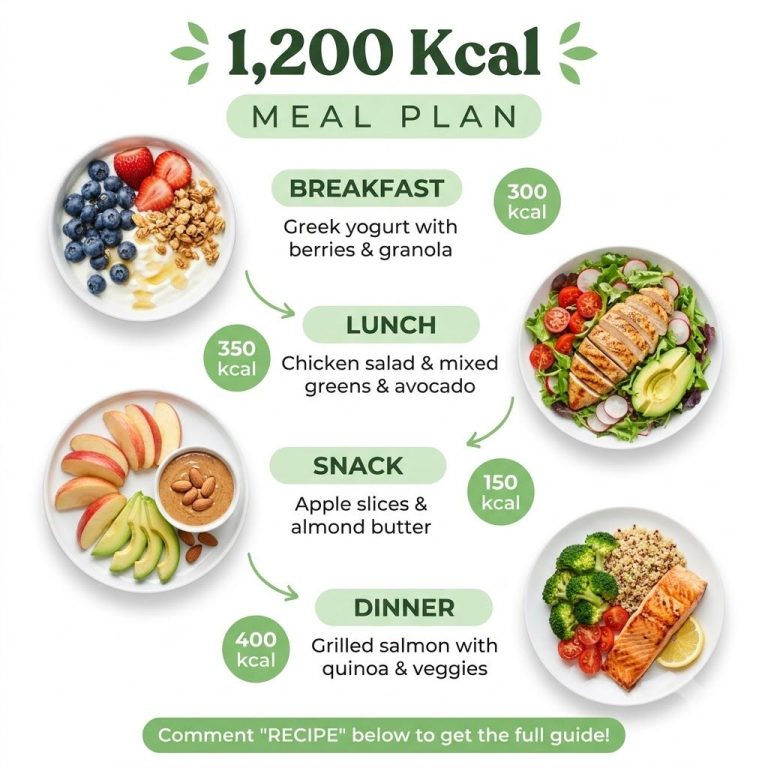
The following outline shows how the principles above can come together. Portions are general examples and should be adjusted to your needs.
Breakfast: Protein-Rich Start
- Plain Greek yogurt topped with berries and a spoonful of chia seeds
- Or a vegetable omelet made with one whole egg and two egg whites
Lunch: Colorful and Filling
- Grilled chicken or chickpeas over mixed greens
- A small portion of quinoa or brown rice
- Cherry tomatoes, cucumber, and a light lemon-olive oil dressing
Snack: Small and Satisfying
- An apple with a tablespoon of natural almond butter
Dinner: Light but Nourishing
- Baked salmon or tofu with roasted broccoli and bell peppers
- A modest serving of sweet potato
Practical Tips to Stay Satisfied
- Plan your meals in advance so you are not making decisions when you are hungry.
- Use a food scale or measuring cups for a few weeks to learn accurate portion sizes.
- Drink a glass of water before meals and between snacks.
- Choose whole foods over ultra-processed options whenever possible.
- Keep simple, healthy snacks on hand, such as vegetable sticks or a small handful of nuts.
Healthy Swaps That Make a Difference
- Swap sugary cereal for oats topped with fruit and seeds.
- Replace white bread with whole-grain or sourdough options.
- Choose air-popped popcorn instead of chips for a crunchy snack.
- Use herbs, spices, citrus, and vinegar to add flavor without extra salt or sugar.
Who Should Be Careful
A very low-calorie plan is not suitable for everyone. Pregnant or breastfeeding women, teenagers, older adults, and people with medical conditions or who take medications should speak with a doctor or registered dietitian before making significant changes. If you feel dizzy, weak, or unusually tired, stop and seek professional advice.
The Bottom Line
A delicious, well-balanced eating pattern is about nourishing your body consistently, not about perfection. By focusing on protein, fiber, healthy fats, vegetables, and hydration, you can build meals that feel satisfying and support your wellness goals. Start small, track how you feel, and adjust with professional guidance whenever needed.