Tired, rough heels are one of those beauty concerns many of us ignore until they start feeling uncomfortable. The good news is that a little gentle, consistent foot care can make a real difference in how your feet look and feel. In this guide, we will walk through simple everyday habits that help keep skin on your feet soft and smooth.
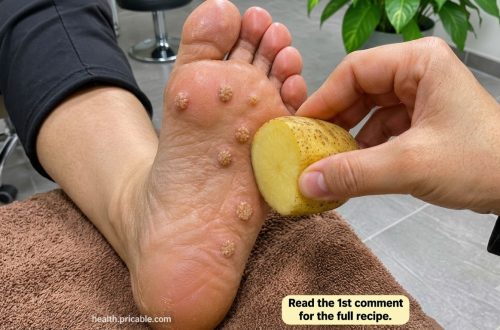
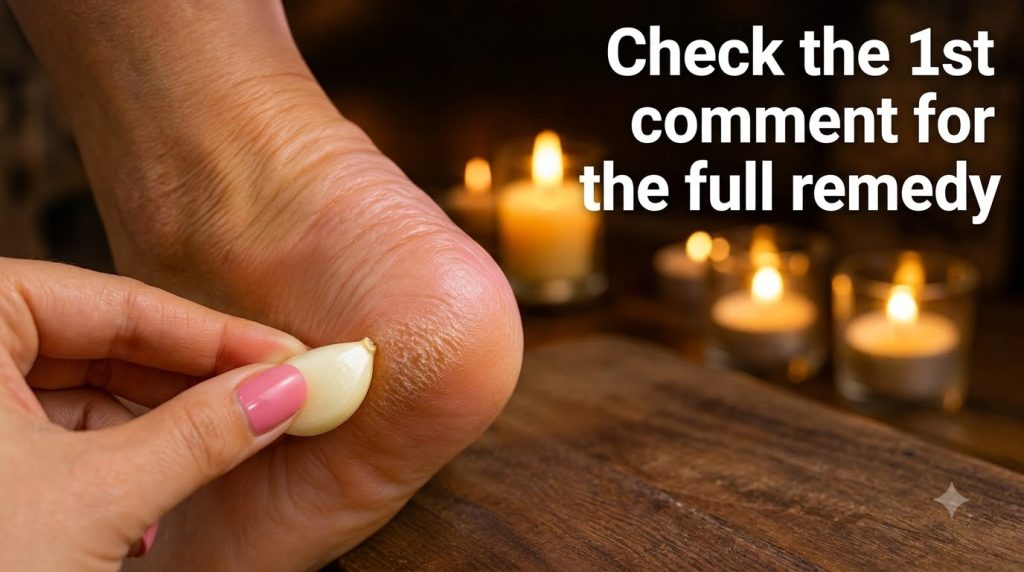
You may have seen natural remedies going around online, including folk ideas about garlic for foot concerns. Many people are curious about these traditional methods, but it is important to know what they can and cannot do. Garlic is a kitchen ingredient with a strong smell and natural compounds, yet there is no reliable scientific evidence that it cures warts, corns, or calluses. Because it can also irritate sensitive or broken skin, we recommend skipping it for any lesion you are unsure about.
Why Heels Get Rough and Dry
Heels are thicker than most skin on the body and have fewer oil glands, so they tend to dry out and crack more easily. Standing for long hours, walking in shoes that do not fit well, and dry indoor air can all add to the problem. Over time, the skin responds by building up extra layers, which is why calluses often form on the heels and balls of the feet.
Simple Daily Habits for Softer Feet
- Wash gently: Use lukewarm water and a mild cleanser, then pat your feet dry, especially between the toes.
- Moisturize after bathing: Apply a rich cream or a plain fragrance-free moisturizer while your skin is still slightly damp to lock in hydration.
- Wear breathable shoes: Choose footwear that supports your arches and gives your toes room to move.
- Use cotton socks: Natural fibers help keep moisture under control and reduce friction.
- Rest your feet: Give them a break with a few minutes of elevation after a long day.
A Gentle Weekly Foot Softening Routine
Once a week, you can treat your feet to a relaxing soak. Fill a basin with warm water, add a few spoonfuls of Epsom salt or a splash of mild liquid soap, and soak for about ten minutes. Afterward, lightly rub the heels with a pumice stone or a soft foot file in gentle circles. Avoid aggressive scraping, since over-filing can cause soreness and make the skin more prone to cracks. Finish with a thick moisturizer and a pair of cotton socks, then let the cream work overnight.
Mistakes to Avoid
It is easy to overdo it when we want quick results. Try to avoid cutting calluses with blades, which can lead to nicks and infections. Do not pick at dry skin or peel loose patches aggressively. If you notice a lesion that is painful, bleeding, changing in color, or not healing, please see a doctor or a licensed dermatologist rather than trying home remedies on it.
When to Ask a Professional
Home care is wonderful for everyday dryness and roughness, but some foot concerns need expert attention. A healthcare professional can help identify warts, infections, or other skin changes and suggest a safe treatment plan. Think of your daily routine as the foundation and a professional as the helper when something feels off.
Final Thoughts
Soft, comfortable feet come from simple, steady habits: gentle cleansing, regular moisturizing, supportive shoes, and a little weekly pampering. Start with one or two tips this week and notice how your heels feel over time. Have a favorite foot care habit? Share it in the comments and let your fellow beauty lovers know what works for you!