Most people walk past guava trees without realizing the leaves are often the most useful part for home preparations. The fruit gets all the attention, but many home herbalists keep a jar of dried guava leaves on the shelf for simple teas and rinses.
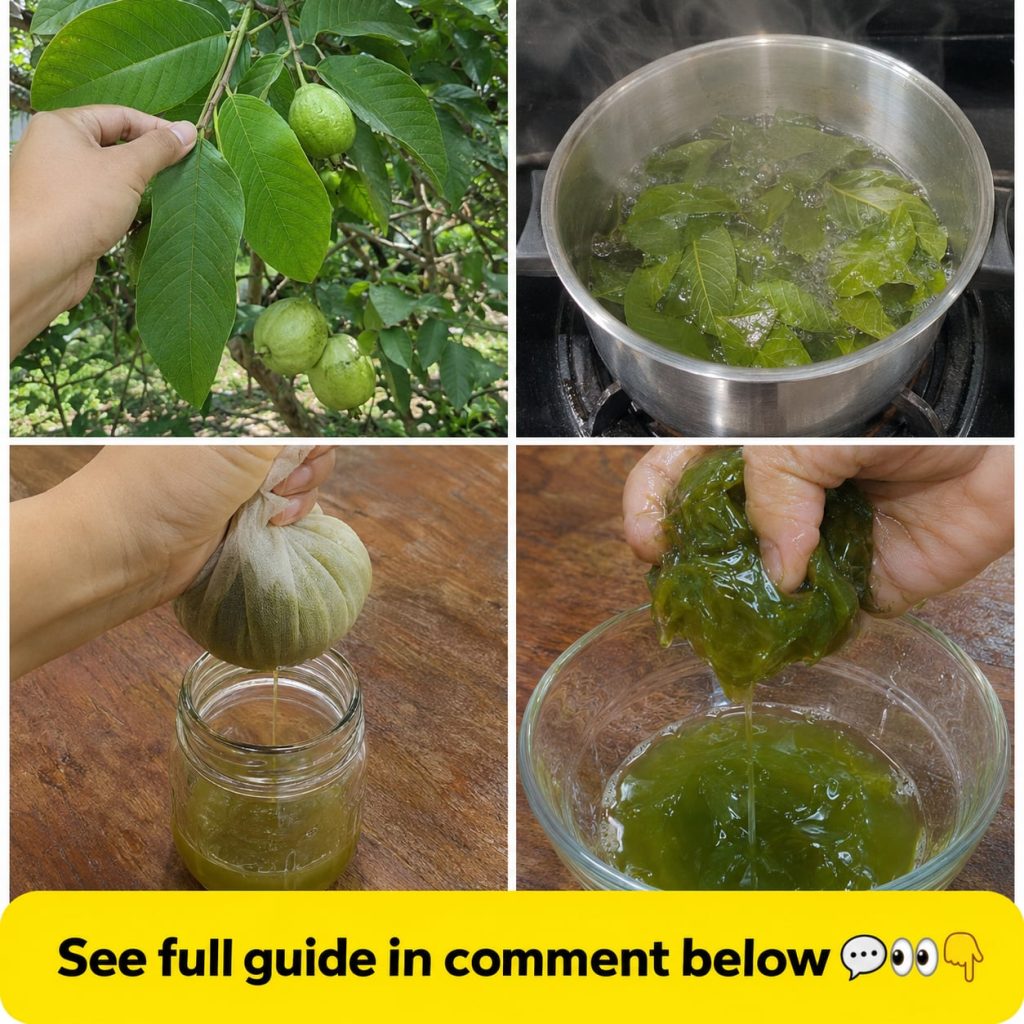
This guide covers a basic guava leaf tea and a cooled rinse, with clear measurements, timing, storage, and the mistakes to avoid. It focuses on practical preparation rather than medical claims.
What Guava Leaves Are
Guava (Psidium guajava) is a small tropical tree with oval, slightly textured leaves. Its leaves have long been used in home preparations, especially as a mild tea. For best results, choose healthy, unblemished leaves from a plant you know has not been sprayed with chemicals.
Ingredients and Approximate Measurements
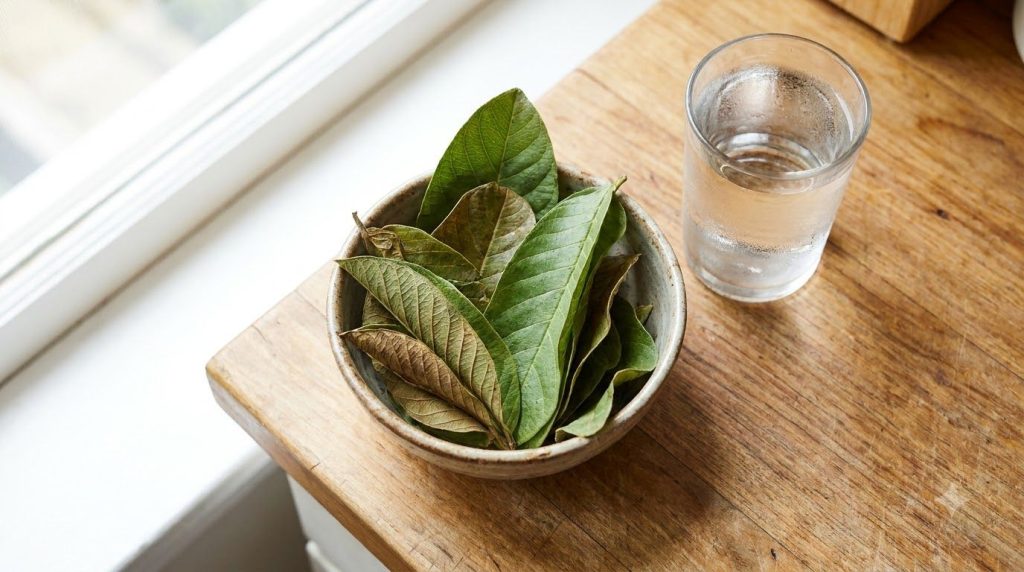
- 6 to 8 fresh guava leaves, or 2 teaspoons dried guava leaves
- 2 cups (480 ml) filtered water for tea
- Optional: 1 teaspoon raw honey or a thin slice of fresh ginger
Formula and Step-by-Step Method
Use this basic formula for one cup of tea. Double it if you want two servings.
- Rinse the fresh leaves under cool running water and pat them dry. Discard any yellowed or spotted leaves.
- Bring 2 cups of filtered water to a gentle boil in a small pot.
- Add the leaves, reduce the heat to low, and simmer for 5 to 7 minutes. Do not boil hard for longer.
- Turn off the heat, cover the pot, and steep for another 5 minutes.
- Strain into a cup. Add honey or ginger only after the tea has cooled slightly.
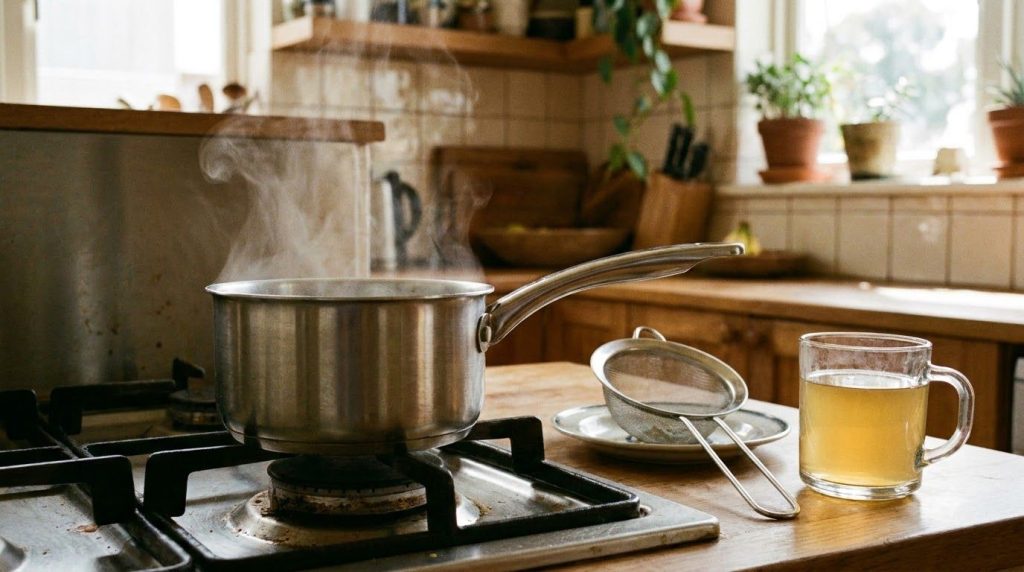
Quick Tip: Covering the pot during steeping keeps the aroma and makes the tea more consistent from batch to batch.
Fresh vs Dried Guava Leaves
| Feature | Fresh Leaves | Dried Leaves |
|---|---|---|
| Amount for 2 cups water | 6 to 8 leaves | 2 teaspoons |
| Preparation time | Rinse and chop, then simmer | Simmer directly |
| Shelf life | Use within 2 to 3 days refrigerated | Up to 6 months in an airtight jar |
| Best for | Fresh batch tea | Keeping a stock on hand |
How to Use the Tea and Cooled Rinse
Drink one cup of the tea once a day, or as directed by your healthcare professional. For a simple cooled rinse, let the tea cool completely, strain again, and use it as a final hair rinse after washing. For a facial rinse, apply with a cotton pad to clean skin and leave it on briefly before patting dry.
How Often to Use It
Most people start with one cup daily for about one week and observe how they feel. Hair rinses are usually used once or twice a week. Do not rely on a single batch for any specific result.
How to Buy and Choose Guava Leaves
If you cannot harvest from your own tree, look for dried guava leaves from reputable herb sellers that list the plant name and a harvest or packing date. Choose leaves that are green-brown rather than dark and crumbly. Avoid products with added fillers or unclear sourcing.
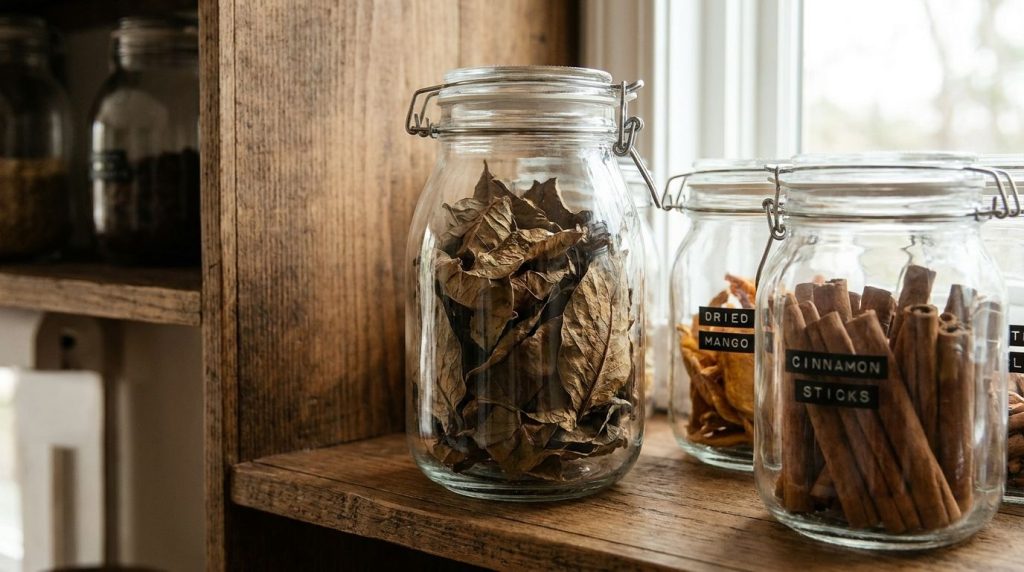
Storage
Store dried leaves in a clean, dry, airtight glass jar away from heat, light, and moisture. Keep fresh tea refrigerated in a sealed container and use within one day. Never store leaves in a damp jar, because moisture encourages mold.
Practical Tips
- Use leaves from a plant you know has not been sprayed with pesticides.
- Label jars with the harvest or purchase date.
- Start with a small batch so you can judge the flavor and strength.
Common Mistakes
- Using damaged or moldy leaves: discard any with spots, slime, or an off smell.
- Boiling too long: a hard, extended boil can make the tea bitter and overly strong.
- Storing in wet jars: always dry jars completely before adding leaves.
- Skipping the rinse: dust and debris can end up in the cup.
- Overusing: more is not better. Stick to the recommended amount.
Cautions and Who Should Avoid It
Speak with a qualified healthcare professional before using guava leaf preparations if you are pregnant, breastfeeding, managing diabetes or blood pressure, taking prescription medication, or preparing for surgery. Stop use and seek medical advice if you notice an allergic reaction, skin irritation, or stomach discomfort. Patch test any rinse on a small skin area first.
Quick Summary
- Best preparation: simmered tea from fresh or dried leaves.
- Best use case: a mild daily tea and a cooled hair or facial rinse.
- Storage: dried leaves in an airtight jar; fresh tea refrigerated for one day.
- When to use: once daily for tea, once or twice weekly for rinses.
- What to avoid: moldy leaves, sprayed plants, long hard boiling, and wet jars.
FAQ
Can I use fresh or dried guava leaves?
Yes. Both work well. Use about three times as many fresh leaves as dried by volume for the same strength.
How long does the tea last?
Refrigerated tea should be used within one day. Make smaller batches if you do not finish it.
Can I refrigerate or freeze the tea?
Refrigeration is fine for one day. Freezing is possible in ice cube trays for later use in rinses, but use them within a month.
Can I reuse the leaves?
It is best to use fresh leaves for each batch. Reusing leaves produces a weaker, less consistent tea.
Which part of the plant is best?
The leaves are the part most commonly used in home preparations. Fruit and bark are used differently and are not covered in this guide.
When should I avoid it?
Avoid use if you are pregnant or breastfeeding without medical advice, or if you have a known allergy to guava or related plants.
How often should I use the tea?
One cup daily is a conservative starting point. Do not exceed the amount your healthcare professional recommends.
Conclusion
Guava leaves are a practical, low-cost ingredient for simple home preparations when they are handled carefully. Focus on clean leaves, gentle simmering, proper storage, and patch testing, and you will get a consistent, pleasant result.
You may also like: Read more about making herbal tea at home.
See the full guide: DIY natural hair rinses for everyday care.
Related remedy: How to dry and store garden herbs.