Gingerbread cookies are one of the most recognizable holiday treats, and a good batch fills the kitchen with warm ginger, cinnamon, and cloves. These cookies have a crisp edge, a slightly chewy center, and a deep molasses flavor that works well for cookie exchanges, school parties, or a quiet night in with a mug of coffee.
Why You’ll Love This Gingerbread Cookie Recipe
- Simple pantry ingredients: You likely have most of what you need, including flour, butter, brown sugar, molasses, and common spices.
- Easy to shape: The dough rolls out cleanly and works with any cookie cutter, so it suits kids and beginners.
- Balanced spice flavor: Ginger, cinnamon, and cloves are blended so the cookies taste festive without being overpowering.
- Great for decorating: The cookies hold their shape well, which makes them ideal for simple icing designs.
- Makes a generous batch: The recipe yields about 24 cookies, depending on the size of your cutter.
Gingerbread Cookie Ingredients
For the cookies:
- 3 cups (375 g) all-purpose flour
- 1 tsp baking soda
- 1 tbsp (8 g) ground ginger
- 1 tsp ground cinnamon
- 1/2 tsp ground cloves
- 1/2 tsp salt
- 3/4 cup (170 g) unsalted butter, softened
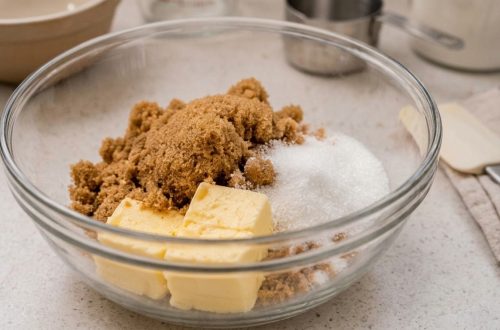
- 3/4 cup (150 g) packed dark brown sugar
- 1/2 cup (120 ml) light or dark molasses
- 1 large egg, at room temperature
- 1 tsp vanilla extract
For the simple icing:
- 1 cup (120 g) powdered sugar
- 1 to 2 tbsp (15 to 30 ml) milk
- 1/4 tsp vanilla extract
Ingredient Notes
Molasses gives gingerbread its signature color and depth. Light molasses tastes milder, while dark molasses adds a richer, slightly bitter note. Softened butter should be soft enough to press with a finger but not greasy. Baking soda gives the cookies lift and a tender bite, so measure it carefully.
Equipment You’ll Need
- Large mixing bowl and electric mixer or sturdy spatula
- Rolling pin
- Cookie cutters in your favorite shapes
- Baking sheets lined with parchment paper
- Plastic wrap
- Cooling rack
How to Make Homemade Gingerbread Cookies
- Mix the dry ingredients. In a medium bowl, whisk together the flour, baking soda, ginger, cinnamon, cloves, and salt. Set aside.
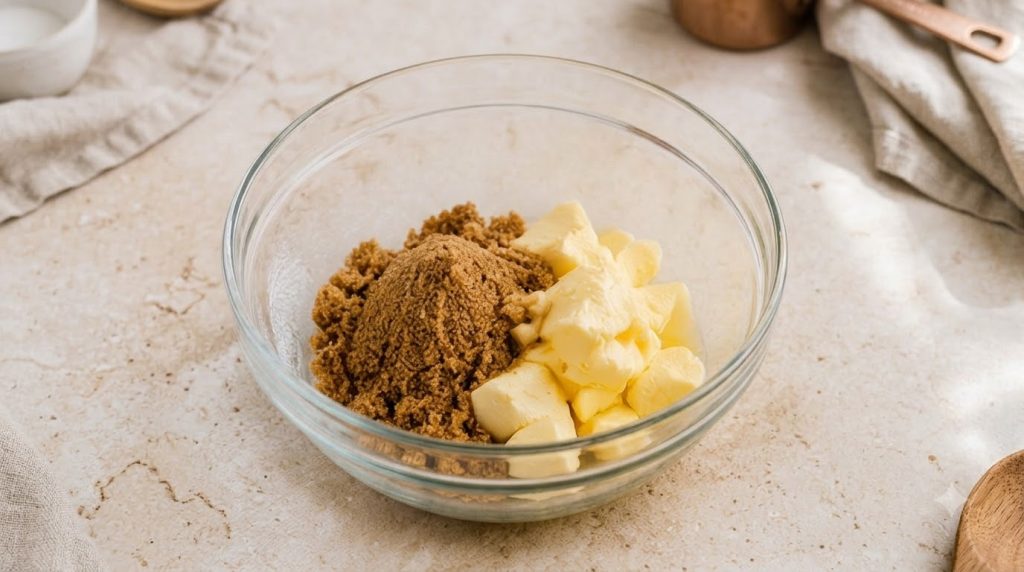
- Cream the butter and sugar. In a large bowl, beat the softened butter and brown sugar on medium speed for about 2 minutes, until light and fluffy.
- Add the wet ingredients. Beat in the molasses, egg, and vanilla until smooth. The mixture may look slightly separated at first, which is normal.
- Combine the dough. Add the dry ingredients in two additions, mixing on low speed or stirring by hand until just combined. The dough should feel soft but not sticky.
- Chill the dough. Divide the dough in half, flatten each piece into a disk, wrap in plastic, and refrigerate for at least 1 hour. Chilling keeps the cookies from spreading too much.
- Preheat the oven. Heat the oven to 350°F (175°C) and position racks in the upper and lower thirds.
- Roll and cut. On a lightly floured surface, roll one disk of dough to about 1/4 inch (6 mm) thick. Cut out shapes and place them 1 inch (2.5 cm) apart on the prepared baking sheets.
- Bake. Bake for 8 to 10 minutes, until the edges are set and the tops look dry. Smaller cookies will need less time, and larger ones may need a minute or two more.
- Cool. Let the cookies rest on the baking sheet for 5 minutes, then move them to a cooling rack to finish cooling.
- Make the icing. Whisk the powdered sugar, vanilla, and 1 tablespoon of milk until smooth. Add more milk, a few drops at a time, until the icing is thick but still pourable.
- Decorate. Once the cookies are completely cool, spread or pipe the icing and let it set for at least 1 hour before stacking.
Pro Tips for the Best Results
- Roll the dough evenly so the cookies bake at the same rate.
- Re-chill cut-out shapes on the tray for 10 minutes if they look soft before baking.
- Rotate the baking sheets halfway through baking for even color.
- Keep unused dough chilled while you cut and bake the rest.
- Let the cookies cool completely before decorating so the icing does not melt.
Common Mistakes to Avoid
Cookies spread too much: The butter may have been too warm or the dough was not chilled long enough. Chill the cut shapes briefly before baking.
Cookies are hard after cooling: Overbaking is the most common cause. Pull them out when the edges are set and the centers still look slightly soft.
Dough is too sticky to roll: Chill it for another 15 to 20 minutes. Add flour only a tablespoon at a time, as too much will make the cookies dry.
Icing runs off the cookies: Add more powdered sugar a spoonful at a time until the icing holds its shape.
Variations and Substitutions
- Soft-batch style: Reduce the chilling time and drop spoonfuls of dough onto the baking sheet for chewy, rounded cookies.
- Extra spice: Add 1/4 tsp ground nutmeg or a pinch of black pepper for a warmer flavor.
- Dairy-free option: A firm plant-based butter alternative can work, though the texture and browning may differ slightly.
- Different icing: Use a thin cream cheese glaze or sprinkle sugar on the cookies before baking.
Serving Suggestions
Serve these cookies with a glass of cold milk, hot cocoa, coffee, or spiced tea. They also make a lovely addition to a holiday dessert platter with shortbread and chocolate-dipped treats.
Storage and Reheating
Store completely cooled, undecorated or fully set cookies in an airtight container at room temperature. They keep well for several days. Layer them with parchment paper to protect the icing. Wrapped unbaked dough can be refrigerated for up to 3 days or frozen for longer storage. Cookies do not usually need reheating, but if you prefer them warm, heat them for a few seconds in a microwave.
Frequently Asked Questions
Can I make gingerbread cookie dough ahead of time?
Yes. Wrap the dough tightly and refrigerate it for up to 3 days, or freeze it for longer storage. Let it soften slightly before rolling.
Can I freeze baked gingerbread cookies?
Yes. Freeze undecorated cookies in a sealed container, separated by parchment. Thaw them at room temperature before icing.
Why did my gingerbread cookies turn out dry?
They were likely overbaked or had too much flour. Measure flour by spooning it into the cup and leveling it off, and remove the cookies as soon as the edges are set.
Can I use honey instead of molasses?
You can try it, but the flavor and color will be lighter and less traditional. The texture may also be softer.
How do I know when the cookies are done?
The edges should look set and the tops should appear dry. The cookies firm up as they cool, so they should not look fully hard coming out of the oven.
What is your favorite holiday cookie shape? Share it in the comments and tell us which decorations you plan to try!