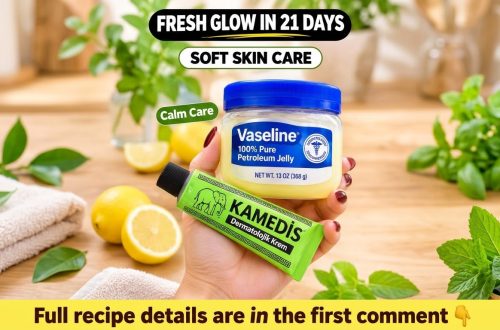
Dry elbows, rough heels, and cracked knuckles are common, especially in cold or windy weather. Many people look for a simple, affordable way to keep these areas feeling softer. A plain petroleum jelly balm can be a practical option for that job.
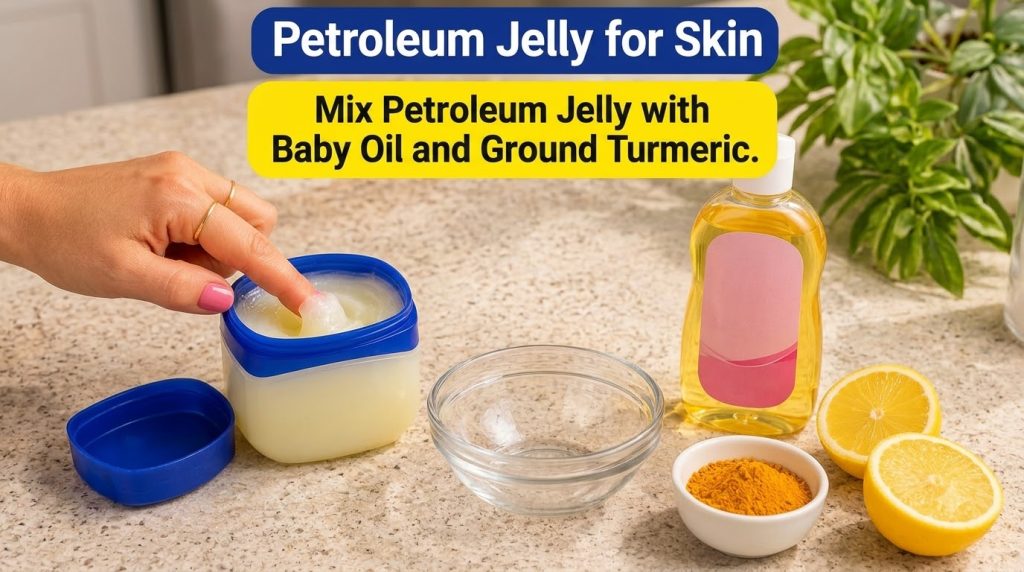
Social media often shows petroleum jelly mixed with baby oil and turmeric as a ‘skin glow’ hack. Turmeric can stain skin and clothing and may irritate sensitive skin, and no homemade mix can brighten skin permanently. In this article, you will learn a gentle body balm you can make at home, why turmeric is left out, and how to use the balm safely.
Beauty Recipe Overview
- Recipe Name: Gentle Petroleum Jelly Body Balm
- Beauty Category: Body care and hand care
- Suitable Skin Type: Dry or rough skin on elbows, hands, feet, and heels
- Preparation Time: 5 minutes
- Application Time: 10 to 15 minutes
- Total Time: About 20 minutes
- Difficulty Level: Easy
- Yield: About 2 tablespoons, enough for 2 to 3 uses
- Recommended Usage Frequency: Once or twice a day on dry areas
- Storage Recommendation: Keep in a clean, airtight container at room temperature and make small batches
Why You’ll Love This Recipe
- It uses only two or three easy-to-find ingredients.
- It takes about five minutes to prepare.
- It costs very little compared with many specialty balms.
- It is simple to apply to dry areas of the body.
- It can be a comforting part of an occasional self-care routine.
Complete Ingredients
- 2 tablespoons plain petroleum jelly, straight from a clean jar
- 1 teaspoon sweet almond oil, optional, for a softer feel
Choose fragrance-free products when possible. Skip baby oil in this recipe because it is mineral oil with added fragrance, and it can feel heavy or irritate some people. Do not add turmeric, lemon, or essential oils to this balm.
Equipment
- Small clean glass bowl
- Clean spoon or spatula
- Small airtight jar with a lid
- Soft washcloth
Step-by-Step Preparation
- Wash your hands and dry them completely. Make sure your bowl, spoon, and jar are clean and dry.
- Spoon 2 tablespoons of petroleum jelly into the bowl. Scoop from the jar with a clean spoon, never with your fingers, to keep the jar free from contamination.
- If you are using almond oil, add 1 teaspoon and stir gently for about 1 minute until the mixture looks smooth and even.
- Check the texture. It should be soft and spreadable, not runny. If it feels too firm, stir in a few more drops of almond oil.
- Spoon the balm into a clean, dry jar and close the lid tightly. Label it with the date you made it.
How to Apply the Balm
Use this balm on dry body areas such as elbows, hands, heels, and feet. Wash the area with lukewarm water and a gentle, fragrance-free cleanser, then pat it dry while the skin is still slightly damp. Take a pea-sized amount, warm it between your fingertips, and smooth it onto the dry area. Massage gently in small circles for about one minute. Leave it on for 10 to 15 minutes, or cover your heels with clean socks for a short period. Wipe off any excess with a soft washcloth. Avoid your eyes, the inside of your nose, and broken or irritated skin. Do not use this balm on your face.
Ingredient Benefits
Petroleum jelly is an occlusive ingredient. This means it forms a thin barrier on the skin that helps reduce water loss. It can help skin feel softer and more comfortable, especially after washing. It does not add moisture on its own, so it works best on skin that is already slightly damp.
Sweet almond oil is a plant oil that can make the balm feel smoother and easier to spread. It may support a soft, comfortable feel. Almond oil can still cause reactions in people with nut allergies, so check the label and patch test first.
Recommended Frequency
Most people can use this balm once or twice a day on dry areas. If your skin feels tight or cracked, a thin layer before bed on heels or hands is a common routine. Stop using it if you notice redness, burning, or itching. Because petroleum jelly is heavy, it may not suit oily or acne-prone skin.
Expert Beauty Tips
- Apply the balm to damp skin so it locks in water already present.
- Use a small amount. A thick layer can feel greasy and transfer to bedding.
- Wear cotton socks or gloves after applying to heels or hands to keep the balm where you want it.
- Keep your scoop clean to prevent contamination.
- Exfoliate gently once or twice a week with a soft cloth, not a harsh scrub.
- Use a separate jar for the balm you use on your body and the one you use for lips.
Safe Variations
- Fragrance-free shea butter: Adding a small amount of shea butter can make the balm richer for very dry hands. Use a small amount and check for allergies first.
- Plain petroleum jelly only: The simplest option is often the gentlest. It is a good choice for sensitive skin.
- Turmeric: This is not recommended. Turmeric can stain skin and clothing, may irritate sensitive skin, and is not proven to brighten skin.
Storage and Shelf Life
This recipe contains no water, so it is less likely to spoil than water-based creams. Still, make only a small batch that you can use within a few weeks. Keep the jar tightly closed at room temperature, away from heat and sunlight. Do not use your fingers to scoop the balm, because hands can add bacteria. Discard the balm if it smells sour, changes color, or develops a strange texture. Do not store leftover balm in a dirty container or reuse it after it has touched broken skin.
Safety Precautions
Do a patch test before using any new mixture. Apply a small amount to the inside of your forearm and wait 24 hours. Stop using the balm if you notice redness, swelling, itching, or burning. Keep the balm out of your eyes and away from broken, cut, or infected skin. Petroleum jelly and almond oil can be unsuitable for people with nut allergies, so check ingredient labels carefully. If you have a persistent skin condition such as eczema, psoriasis, or a rash that does not improve, speak with a doctor or dermatologist rather than relying on a homemade remedy.
Common Mistakes to Avoid
- Applying to dry skin: Petroleum jelly works best on damp skin. Apply after washing.
- Using too much: A thick layer can feel greasy and stain fabric. Start with a small amount.
- Adding irritating ingredients: Lemon, turmeric, and undiluted essential oils can irritate skin. Keep the recipe simple.
- Storing the balm too long: Make small batches and replace them regularly.
- Skipping the patch test: Even gentle ingredients can cause reactions in some people.
Frequently Asked Questions
Can I use this balm on my face?
This recipe is designed for body areas such as hands, elbows, and feet. Petroleum jelly can clog pores for some people, so it is not recommended for the face.
Is turmeric safe to use in a skin mixture?
Turmeric can stain skin and clothing and may irritate sensitive skin. It is best left out of simple home recipes.
How long does the balm last?
Use it within a few weeks and keep it in a clean, closed jar. Discard it if it changes smell, color, or texture.
Can I refrigerate leftovers?
Refrigeration is not necessary for this balm. Keeping it cool, dry, and closed is more important.
Can this replace my regular moisturizer?
It can be a helpful addition for very dry areas, but it does not replace a complete skincare routine. Keep using your usual moisturizer as well.
What should I do if my skin becomes irritated?
Stop using the balm, rinse the area with lukewarm water, and avoid other new products. If redness or swelling continues, contact a healthcare professional.
Conclusion
A simple petroleum jelly balm can be a practical, affordable way to comfort dry hands, elbows, and heels. Keeping the recipe plain and the batch small makes it easier to use safely. Leave out turmeric and other irritating extras, and focus on gentle, consistent care. Your skin will thank you for the steady attention.