Hitting your daily protein goals can feel like a puzzle, especially when you are juggling work, family, and meal prep. The good news is that getting 30 grams of protein in a single serving is far more achievable than most people think. This guide walks you through what a 30 gram protein portion looks like across meats, seafood, dairy, eggs, and supplements, so you can plan meals with confidence.
Why 30 Grams of Protein Matters
Protein is made of amino acids, the building blocks your body uses to repair muscle tissue, maintain bone health, support immune function, and produce enzymes and hormones. Research on muscle health suggests that spreading protein across the day, with a meaningful amount at each meal, may help support lean muscle mass as we age. Aiming for roughly 30 grams per meal is a practical, science-informed target for many healthy adults, particularly those over 25 who want to preserve strength and stay active.
Many people eat most of their protein at dinner and very little earlier in the day. Distributing it more evenly can help you feel fuller for longer, reduce mid-afternoon snacking, and make it easier to meet your weekly nutrition goals.
Protein Portions at a Glance
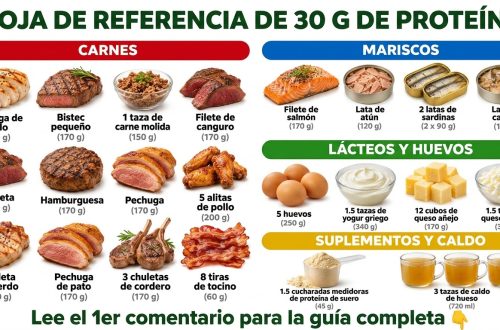
The portions below are approximate and show the amount of food that delivers about 30 grams of protein. Use them as a visual reference when building plates, packing lunches, or planning meal prep.
Meats
- Chicken breast: about 170 g (one serving)
- Small steak: about 170 g
- Ground beef: about 1 cup, roughly 150 g
- Kangaroo steak: about 170 g, a lean red meat option
- Chicken wings: about 5 wings, roughly 200 g
- Pork chop: about 170 g
- Burger patty: about 170 g
- Duck breast: about 170 g
- Lamb chops: about 3 chops, roughly 170 g
- Bacon: about 8 strips, roughly 60 g, which is a good reminder that processed meats can be protein-rich but often higher in sodium
Seafood
- Salmon fillet: about 170 g, also a source of omega-3 fats
- Tuna tin: about 120 g, a convenient pantry staple
- Sardines: about 2 tins (2 x 90 g), rich in protein and calcium when eaten with bones
- Mackerel tin: about 120 g, an affordable option packed with healthy fats
Dairy and Eggs
- Eggs: about 5 eggs, roughly 250 g in total
- Greek yogurt: about 1.5 cups, roughly 340 g, ideal for breakfast or a snack
- Aged cheese: about 12 cubes, roughly 170 g, though it is also higher in calories and saturated fat, so portion mindfully
- Cottage cheese: about 1.5 cups, roughly 340 g, a slow-digesting option that pairs well with fruit
Supplements and Broth
- Whey protein: about 1.5 scoops, roughly 45 g of powder, a quick option after training or on busy days
- Bone broth: about 3 mugs, roughly 720 ml, a warming choice that provides protein along with fluid
How to Use This Cheat Sheet for Meal Prep
- Batch cook one protein per week. Roast a tray of chicken breast or bake salmon fillets, then portion them into containers for lunches.
- Build a balanced plate. Pair your 30 gram protein portion with vegetables, whole grains, and healthy fats for steady energy.
- Mix sources. Combining animal and plant-based foods across the week supports a varied nutrient intake.
- Keep quick options on hand. Tuna, sardines, eggs, and Greek yogurt are shelf-stable or fridge-friendly choices for hectic days.
Smart Tips for Reaching Your Protein Goals
- Add a scoop of whey or a handful of cottage cheese to smoothies for an easy boost.
- Swap a snack of crackers for Greek yogurt with berries and seeds.
- Choose leaner cuts and trim visible fat to keep saturated fat in check.
- Drink enough water throughout the day, as hydration supports digestion and kidney function.
Final Thoughts
Protein is one of the most useful nutrients for building a healthy, active life. By understanding what 30 grams looks like on your plate, you can make informed choices without counting every gram. Save this cheat sheet, keep it near your meal planner, and let it guide your next grocery trip toward meals that fuel your body and support long-term muscle health.