Most people throw fig leaves away after picking the fruit, yet the leaves are the part many home herbalists keep. The method matters more than the plant itself. A simple tea from fresh leaves and a fine powder from dried leaves are two very different preparations, and this guide shows you how to make both safely at home.
What Fig Leaves Are
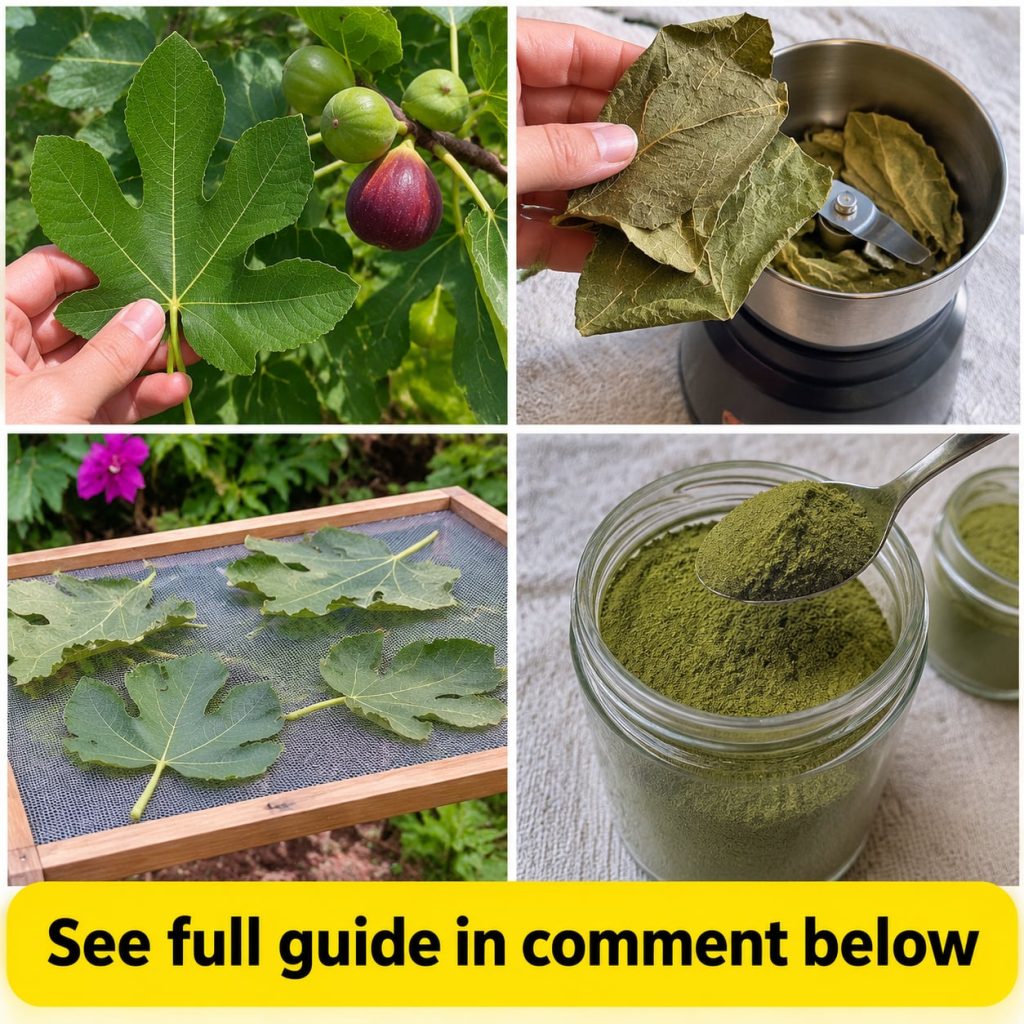
Fig leaves come from the Ficus carica tree. They are large, lobed, and rich in plant compounds such as flavonoids and fibers. In home remedies, people use them mainly as a mild tea, a rinse, or a dried powder added to other ingredients. Most traditional preparations are simple, which makes them easy to test in a small batch.
Ingredients You Need
- Fresh, unsprayed fig leaves, 3 to 5 medium leaves
- Dried fig leaves, 1 to 2 leaves, for powder
- Filtered water, 250 ml (about 1 cup)
- Raw honey or lemon slice, optional, for flavor
- A clean glass jar with a lid for storage
Approximate Measurements
| Preparation | Amount | Water or Carrier | Steep or Mix Time |
|---|---|---|---|
| Fresh leaf tea | 3 to 5 leaves | 250 ml water | 5 to 8 minutes |
| Dried leaf powder | 1 teaspoon | Mixed into food or water | Use within 1 day |
| Leaf rinse (cooled) | 5 leaves | 500 ml water | 10 minutes simmer, then cool |
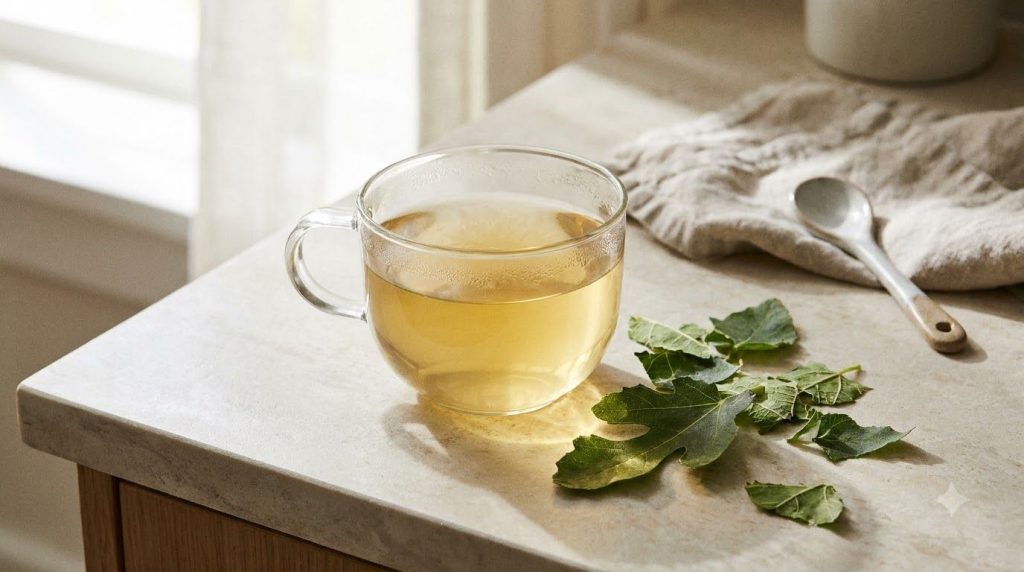
Fresh Leaf Tea Recipe
This is the simplest method and the best starting point for beginners. Use leaves that are green, firm, and free of spots or insect damage.
- Rinse 3 to 5 fresh leaves under cool running water to remove dust.
- Tear the leaves into smaller pieces to release more flavor.
- Bring 250 ml of water to a gentle boil, then remove it from heat.
- Add the leaves and cover the cup with a small plate.
- Steep for 5 to 8 minutes, then strain.
- Add a small amount of honey or lemon if you prefer a softer taste.
Dried Leaf Powder Method
Powder is useful when you want a shelf-stable option. Drying the leaves properly is the key step.
- Wash fresh leaves gently and pat them completely dry.
- Air-dry them on a clean rack away from direct sun for several days, until they crumble easily.
- Break the dry leaves into small pieces and grind them in a clean, dry grinder.
- Sift the powder through a fine mesh to remove coarse bits.
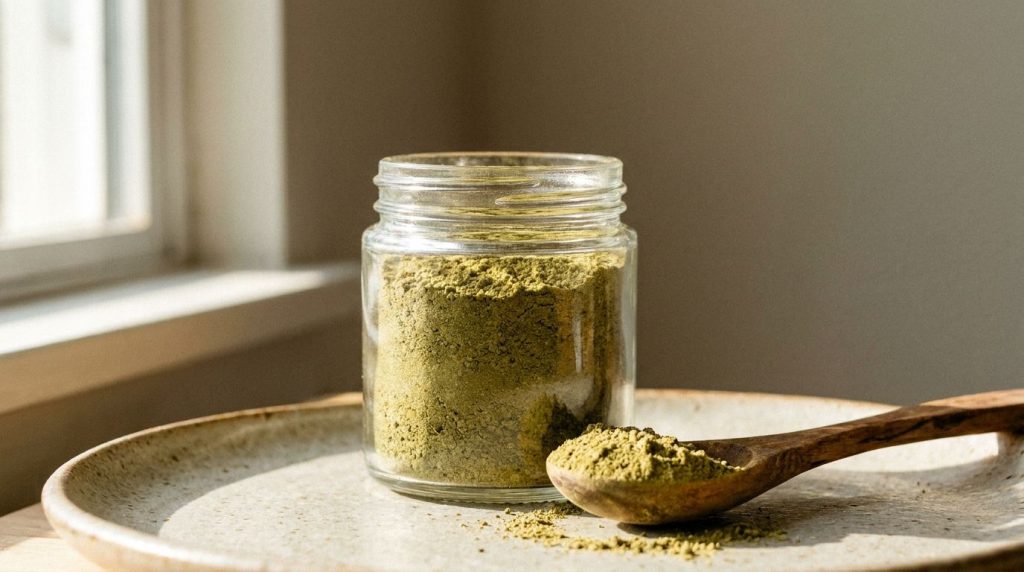
- Store the powder in a sealed glass jar away from heat and moisture.
How to Use Them
Drink the fresh leaf tea once a day at most while you test how your body responds. Stir the powder, about one teaspoon, into warm water or a smoothie. For external use, a cooled leaf rinse can be applied to the skin or hair as a light rinse, then washed off after a few minutes.
How Often to Use Them
Start with one small cup a few times per week rather than daily. Stop if you notice irritation or discomfort. Fresh tea is best made in small batches and used within the same day.
How to Choose Good Leaves
Choose leaves from a tree you know has not been sprayed with pesticides. Avoid leaves with black spots, yellowing, or a sour smell. If you do not grow a fig tree, ask local growers or farmers markets whether their trees are unsprayed.
Storage Guide
| Version | Storage Method | How Long It Lasts |
|---|---|---|
| Fresh leaf tea | Refrigerated in a sealed glass jar | Within 24 hours |
| Fresh leaves | Wrapped in paper towel, refrigerated | 2 to 3 days |
| Dried powder | Sealed dark glass jar, cool and dry | Up to 1 month |
Practical Tips
Quick Tip: Dry leaves in a single layer so air reaches every surface. Did You Know? Fig leaves are much more fragrant when dried slowly than when dried quickly in heat. Before You Brew: Always wash leaves, even if they look clean.
Common Mistakes
- Using damaged, yellowing, or sprayed leaves.
- Boiling the leaves for a long time, which makes the tea bitter.
- Storing fresh tea or powder in a wet or humid jar, which encourages mold.
- Skipping the drying step and grinding leaves that still hold moisture.
- Using too much powder at once, which can cause stomach discomfort.
Cautions and Who Should Avoid It
Fig leaves are not suitable for everyone. Avoid them if you are pregnant or breastfeeding, if you take prescription medication, or if you have a known allergy to figs or latex-related plant sensitivities. Fig sap can irritate the skin, so wear gloves when handling fresh stems. Speak with a qualified healthcare professional before using any herbal preparation regularly.
Quick Summary
Best preparation: fresh leaf tea for short-term use, dried powder for storage. Best use case: a mild daily cup or a light external rinse. Storage: refrigerate fresh tea for up to 24 hours, keep powder sealed for about a month. When to use: occasionally, in small amounts. What to avoid: damaged leaves, long boiling, wet jars, and use during pregnancy.
Frequently Asked Questions
Can I use fresh or dried fig leaves?
Both work. Fresh leaves give a lighter tea, while dried leaves make a more concentrated powder that lasts longer.
How long does fig leaf tea last?
Fresh tea is best consumed within 24 hours when refrigerated in a sealed glass jar.
Can I refrigerate fig leaves?
Yes. Wrap clean, dry leaves in a paper towel and refrigerate them for two to three days.
Can I freeze fig leaves?
Freezing is possible for short-term storage. Place dry leaves in a sealed bag, but expect some loss of texture after thawing.
Can I reuse the leaves?
It is better to use fresh leaves for each batch. Reused leaves lose flavor and can develop bacteria if left wet.
Which part of the plant is best?
The leaves are the focus of this guide. Fruit and sap are not used in the same way and sap can irritate skin.
When should I avoid fig leaves?
Avoid them during pregnancy, breastfeeding, or if you take medication that needs careful monitoring. Ask a healthcare professional first.
Final Thoughts
Fig leaves are simple to prepare, but their results depend on fresh, clean material and careful drying. Start with a small batch, track how you feel, and keep your preparations stored properly.
You may also like: Read more about herbal tea storage basics.
Related remedy: See the full guide to homemade leaf rinses.
Continue with: Learn how to make a simple dried herb powder.