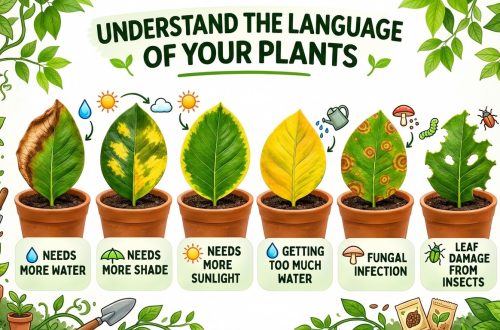
Every gardener has met a plant that suddenly looks unhappy. Leaves develop spots, tiny insects gather on new growth, or a seedling seems to stall for no clear reason. A simple, organic toolkit can help you respond calmly and thoughtfully. Think of it as a first aid kit for your garden, with gentle remedies you can reach for before turning to stronger products.
Why Start with Natural Remedies?
Organic options are often a good starting point for home gardens. They tend to be easier on beneficial insects, pets, and the soil when used as directed. They also encourage you to observe your plants more closely, which is one of the most valuable skills a gardener can build. Remember that no single product solves every problem, and results depend on the plant, the climate, and how consistently you care for it.
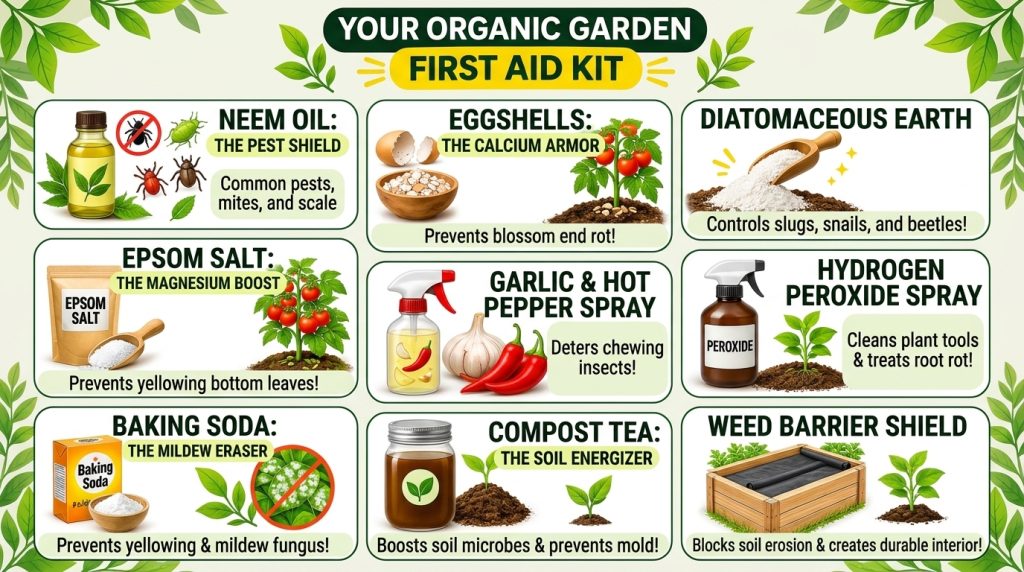
Neem Oil: A Popular Choice for Pest Control
Neem oil, pressed from the seeds of the neem tree, is widely used by organic gardeners to help manage soft-bodied pests such as aphids, mites, and whiteflies. It is best used as a preventive measure or at the first sign of trouble.
- Always read and follow the label instructions for dilution and frequency.
- Test the mixture on a small area of a leaf and wait a day before treating the whole plant.
- Spray in the early morning or evening to reduce the risk of leaf burn and to protect pollinators.
- Cover the undersides of leaves, where many pests hide.
- Keep the spray away from children and pets, and store it safely.
Other Helpful Items for Your Garden First Aid Kit
A well-rounded kit includes a few additional basics that suit different situations:
- Insecticidal soap: A useful option for soft-bodied insects when used according to the label.
- Epsom salt: Useful only when a magnesium shortage is suspected, such as in some soils. It is not a universal fix for plant problems.
- Compost or worm castings: Improve soil structure and nutrient availability over time.
- Mulch: Helps retain moisture, moderate soil temperature, and limit weeds.
- Pruning shears: Removing damaged or diseased leaves can stop problems from spreading.
Tips for Using Your Kit Wisely
Good garden care starts with prevention. Healthy soil, proper watering, adequate sunlight, and good airflow between plants reduce the number of emergencies you will face. Inspect your plants weekly, especially the undersides of leaves, and act early when you spot a change. Keep notes on what works in your garden so you can repeat successes and avoid repeating mistakes.
Start Building Your Own Kit
You do not need to buy everything at once. Begin with one or two remedies that match the problems you see most often, then add others as your experience grows. Learning how your plants respond is the best investment you can make. Which natural remedy has helped your garden the most? Share your experience in the comments below and inspire fellow gardeners.