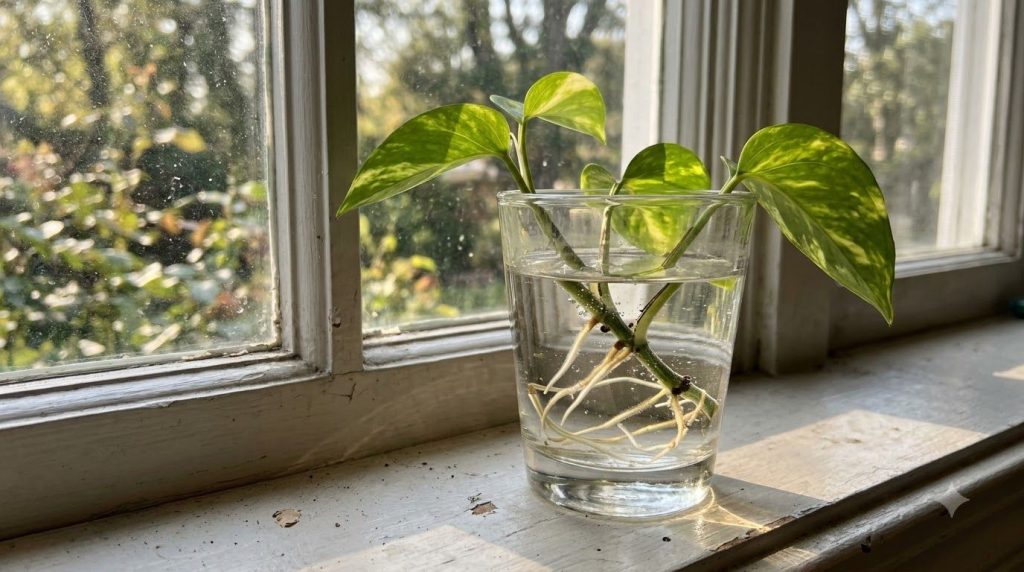
Watching a single leaf or stem sprout fresh roots in a glass of water is one of the most rewarding moments in indoor gardening. With a little patience and the right approach, you can turn one healthy houseplant into several new plants to share, refresh your collection, or fill empty corners of your home. This guide walks you through the basics of water propagation, which plants respond well to it, and the common mistakes to avoid.
Why Water Propagation Works
Water propagation lets you see the roots as they form, so you can judge progress without digging into soil. It is also an affordable method that needs only a clean container, water, and a healthy cutting. Many common houseplants root readily in water, which makes this a good starting point for beginners.
What You Will Need
- Sharp, clean scissors or pruning shears
- Clear glass jars or bottles that let you watch root growth
- Room-temperature water, preferably filtered or left out overnight
- A bright spot indirect light, such as a window that does not get harsh midday sun
- Optional: a rooting hormone, though many easy plants do not need it
Choosing the Right Cutting
Select a stem or leaf from a healthy, vigorous plant. Look for firm, green growth without signs of pests, rot, or yellowing. For stem cuttings, take a piece with at least one or two nodes, which are the small bumps where roots and new leaves typically emerge. Remove the lower leaves so that only the top leaves sit above the waterline.
Step-by-Step Water Rooting Method
- Cut just below a node at a slight angle to expose more surface area.
- Remove leaves that would sit underwater, since they can rot and foul the water.
- Place the cutting in a clean jar so that the nodes are submerged but the top leaves stay dry.
- Set the jar in bright, indirect light and keep it away from cold drafts.
- Change the water every few days or whenever it looks cloudy, and top it up as needed.
- Wait patiently while roots develop. Timelines vary by plant and conditions, so watch for steady growth rather than a fixed date.
Plants That Often Root Well in Water
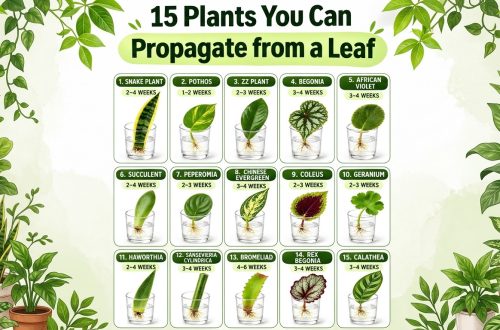
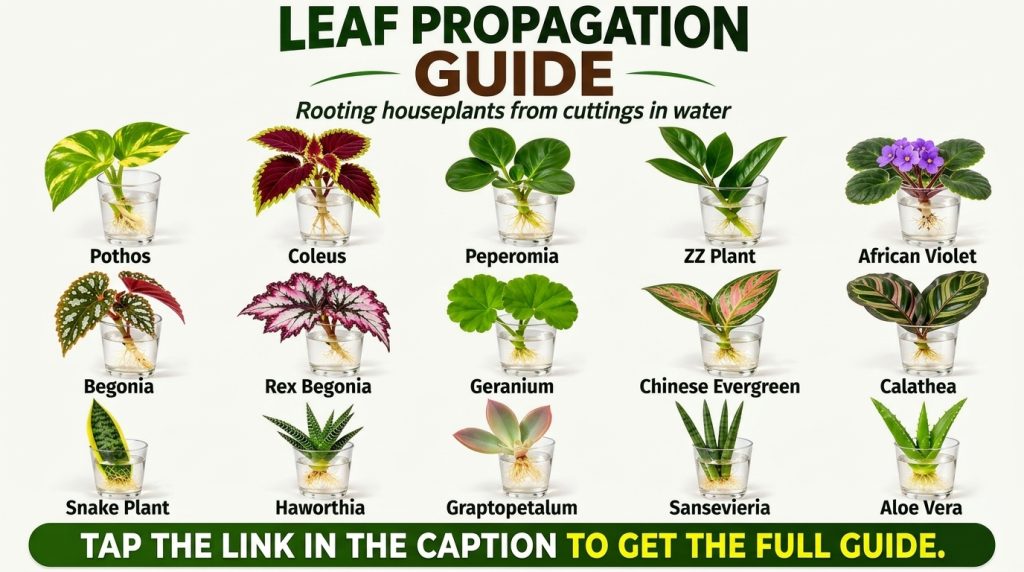
Several popular houseplants are known for rooting easily in water. Pothos and Coleus are two common examples, and they often produce visible roots within a few weeks under good conditions. Other plants, such as African Violet and Rex Begonia, can also be propagated from leaves or stems, though they may need more care. Some species root more slowly or respond better to soil, so it helps to research each plant before you begin.
Common Mistakes to Avoid
- Letting leaves sit in the water, which can cause rot.
- Using dirty containers, which can encourage bacteria and algae.
- Placing cuttings in deep shade, where growth slows considerably.
- Moving the cutting too soon. Wait until roots are a few centimeters long before potting.
- Expecting every cutting to succeed. Some stems will fail, so taking a few extra cuttings is a practical habit.
Moving Your Cuttings to Soil
Once the roots are sturdy and several centimeters long, you can transfer the cutting to a pot filled with light, well-draining potting mix. Water gently after planting and keep the soil lightly moist while the plant adjusts. Roots that grew in water can be more delicate than soil-grown roots, so handle them carefully and avoid strong direct sun during the first few weeks.
Final Thoughts
Water propagation is a simple, rewarding way to grow your houseplant collection and learn how plants develop. Start with one or two easy varieties, keep your containers clean, and give your cuttings steady light and fresh water. With time, you will develop a feel for what your plants need, and each new root will feel like a small success worth celebrating.