If you love simple, homemade beauty ideas, you have probably seen cloves popping up all over social media. These tiny, warm-scented buds have a long history in home remedies, and many beauty lovers now use them in DIY skincare. In this guide, we will walk through what makes clove a popular ingredient, how to make a gentle clove beauty oil at home, and how to use it safely so your skin stays happy.

Why Cloves Are Popular in DIY Beauty
Cloves are known for their rich, warm aroma and for being a natural source of plant compounds that many people associate with fresh-looking skin. Beauty fans often reach for clove when they want a routine that feels special without a long shopping list. It is important to keep expectations realistic, though. A homemade clove oil is best seen as a gentle addition to your routine, not a miracle fix for dark spots, acne, or fine lines.
What Clove Oil Is Often Used For
- Adding a warm, spa-like touch to nighttime skincare
- Supporting a smooth, even-looking complexion when mixed into a moisturizing carrier oil
- Creating a simple massage oil for a relaxing self-care moment
- Making a budget-friendly alternative to expensive facial oils
A Simple Homemade Clove Beauty Oil
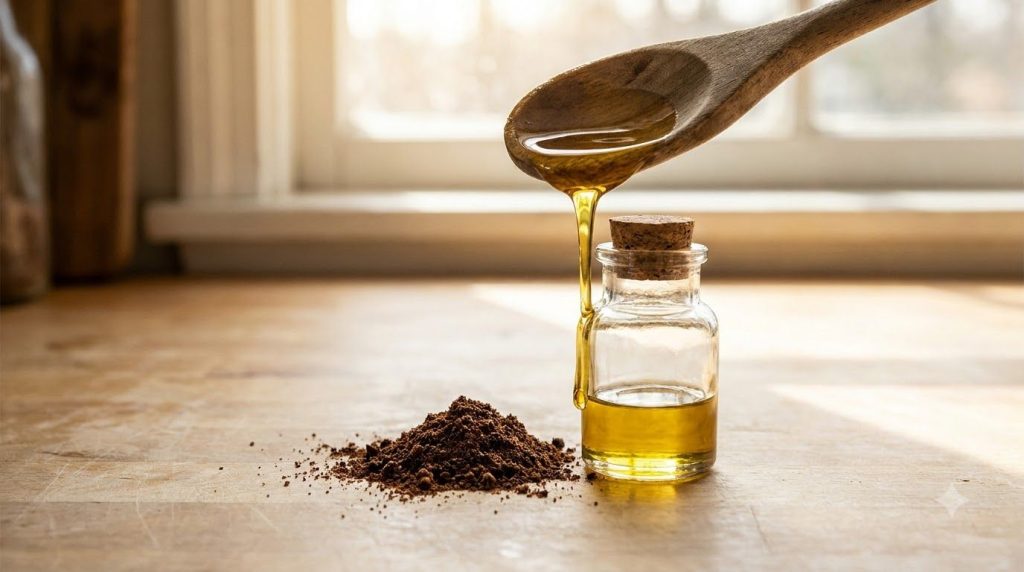
This easy method uses whole cloves infused into a gentle carrier oil. Choose a light, skin-friendly oil such as sweet almond oil, jojoba oil, or a plain, unscented oil you already trust.
- Lightly crush about one tablespoon of whole cloves so they release their aroma.
- Place the cloves in a clean, dry glass jar and cover them with half a cup of carrier oil.
- Seal the jar and keep it in a cool, dark place for about one to two weeks, shaking it gently every day.
- Strain the oil through a fine mesh sieve or cheesecloth into a clean amber bottle.
- Store the oil away from heat and sunlight, and label it with the date you made it.
If you prefer a stronger option, you can also add one or two drops of clove essential oil to your carrier oil. Clove essential oil is very potent, so always dilute it well and start with the smallest amount.
How to Use It Safely
Safety comes first, especially with warming botanicals. Clove can irritate sensitive skin, so a few simple habits will help you enjoy your routine without surprises.
- Always do a patch test on a small area, like the inner arm, and wait 24 hours before using it on your face.
- Use only a very small amount on your face, and mix it into your regular moisturizer if your skin feels sensitive.
- Avoid the delicate eye area, lips, and any broken, irritated, or freshly treated skin.
- Stop using the oil if you notice redness, itching, burning, or swelling.
- If you have a skin condition, are pregnant, or are unsure whether it suits you, check with a dermatologist or healthcare professional first.
Tips for Getting the Most From Your Routine
Consistency matters more than strong ingredients. Pair your clove oil with the basics that keep skin healthy: gentle cleansing, daily sunscreen during the day, good hydration, and enough restful sleep. Many people find that a few drops of oil at night, massaged in gently with upward strokes, feels like a calming end to the day.
Remember that natural does not always mean risk free, and every skin type is different. Start slowly, watch how your skin responds over a few weeks, and adjust as needed. With a little patience, a simple homemade clove oil can become a cozy, affordable part of your self-care ritual.