If you have come across the viral clip promising a homemade collagen cream that makes a 70-year-old look 30, you are not alone. The idea sounds exciting: mix a few everyday products from your bathroom shelf and wake up with smoother, brighter skin. Before you reach for the jar, let us look at what these ingredients actually do, what they cannot do, and how to use them safely.
What Is the Viral DIY Collagen Cream?
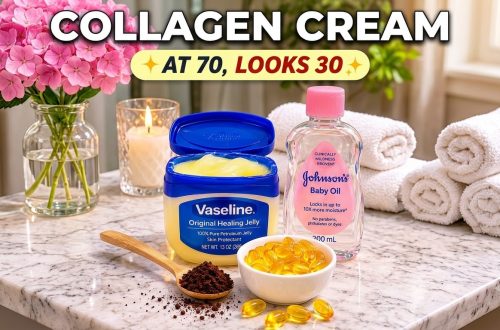
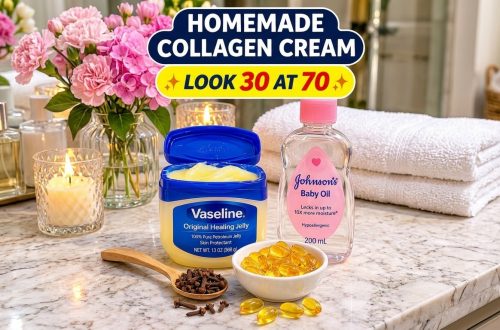
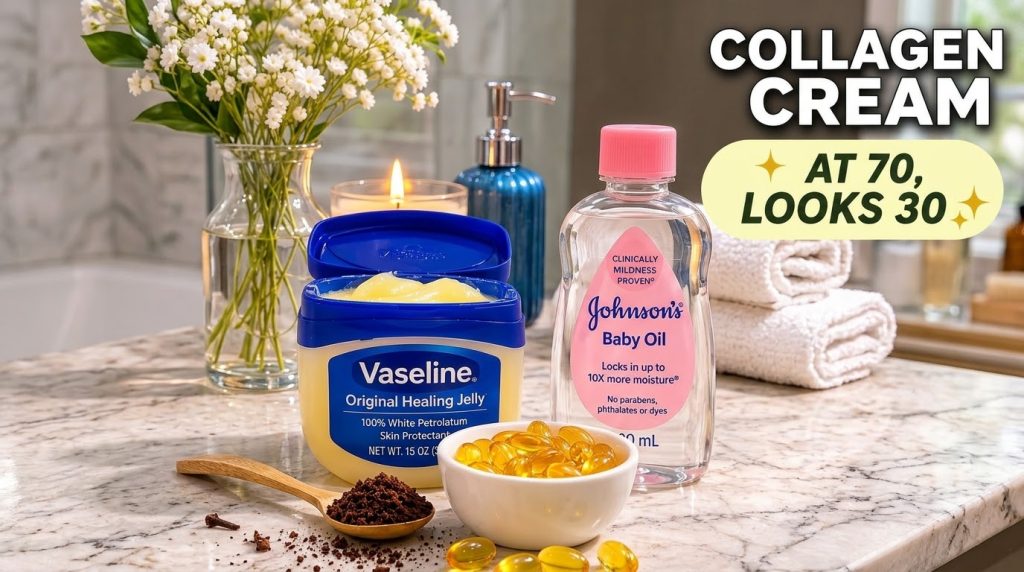
The viral version usually combines petroleum jelly, baby oil, vitamin E oil or capsules, and a small amount of instant coffee. The creator presents the blend as a rejuvenating cream that supports youthful skin. The appeal is clear: the ingredients are cheap, easy to find, and feel familiar, which makes the recipe seem like a simple secret.
What Each Ingredient Actually Does
- Petroleum jelly forms an occlusive layer on the skin that slows water loss. This can make dry skin feel softer and more comfortable.
- Baby oil is a mineral oil that also helps seal in moisture and gives the skin a smooth, slightly glossy feel.
- Vitamin E is an antioxidant that many people use to condition the skin, though results vary and it can irritate some sensitive skin types.
- Instant coffee contains antioxidants and caffeine. It may temporarily reduce puffiness for some people, but it can also stain skin and irritate sensitive areas.
What the Recipe Cannot Do
No topical cream can add collagen to your skin in a lasting way. Collagen molecules are too large to penetrate the outer layer of the skin and rebuild the deeper layers. This means the blend will not reverse wrinkles or dark spots, and it will not make a 70-year-old look 30. What it can do is help the skin hold on to moisture, which can make fine lines look less noticeable and the complexion appear more even for a short time.
How to Try It Safely
- Start with a small batch so you can test how your skin responds.
- Do a patch test on a small area of your inner arm or jawline and wait 24 to 48 hours.
- Use clean hands and a clean container, and store the mixture in a cool place.
- Apply a thin layer to clean, slightly damp skin, preferably at night.
- Stop immediately if you notice redness, itching, burning, or breakouts.

Who Should Be Careful
People with acne-prone, rosacea-prone, or very sensitive skin should be cautious. Petroleum jelly and mineral oil can feel heavy and may clog pores for some people. Avoid applying the mixture to broken skin, and keep it away from the eyes. If you are dealing with persistent wrinkles, dark spots, or sudden skin changes, speak with a dermatologist for guidance.
Simple Ways to Support Healthy-Looking Skin
If you want glowing, youthful-looking skin, the most effective habits are often the simplest. Daily sunscreen helps prevent premature aging, a gentle cleanser protects your skin barrier, and a moisturizer suited to your skin type keeps it comfortable. A balanced diet, enough water, and good sleep also play a role in how your skin looks over time.
The Bottom Line
The DIY collagen cream is an inexpensive way to add moisture to your routine, and many people enjoy the simplicity of using pantry and bathroom staples. Just remember that it is a moisturizing treatment, not a collagen-building miracle. Approach it with realistic expectations, test it carefully, and pair it with habits that truly support healthy skin.