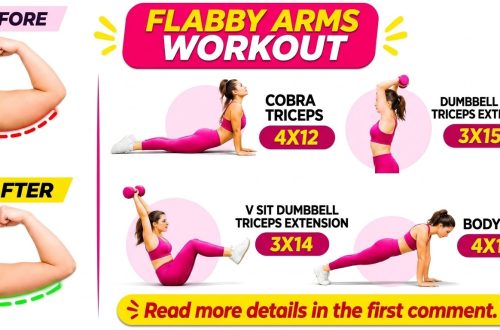
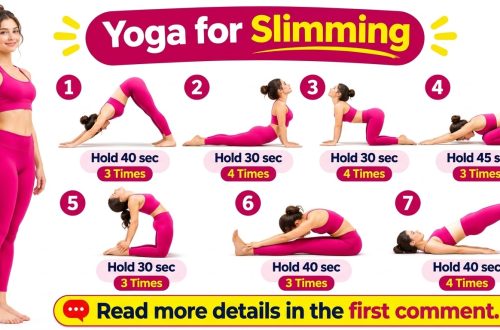
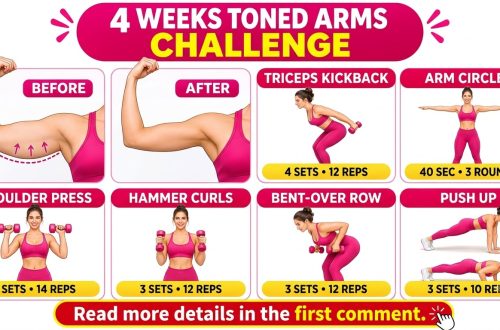
Hip dips are a natural part of body shape for many people, shaped by genetics, bone structure, and how fat and muscle are distributed across the hips and outer thighs. While no workout can change your bone structure, a consistent lower body routine can help support stronger glutes and legs, which may contribute to a more toned and balanced look over time. This simple 7-day plan focuses on basic, beginner-friendly moves that you can do at home.
Why Focus on the Lower Body?
Your glutes, hips, and thighs are some of the largest muscle groups in the body. Regular strength training for these areas is commonly associated with better posture, improved balance, and easier everyday movement such as climbing stairs or getting up from a chair. Research suggests that consistent physical activity supports overall health, and the CDC physical activity guidelines for adults recommend muscle-strengthening activities at least two days per week.
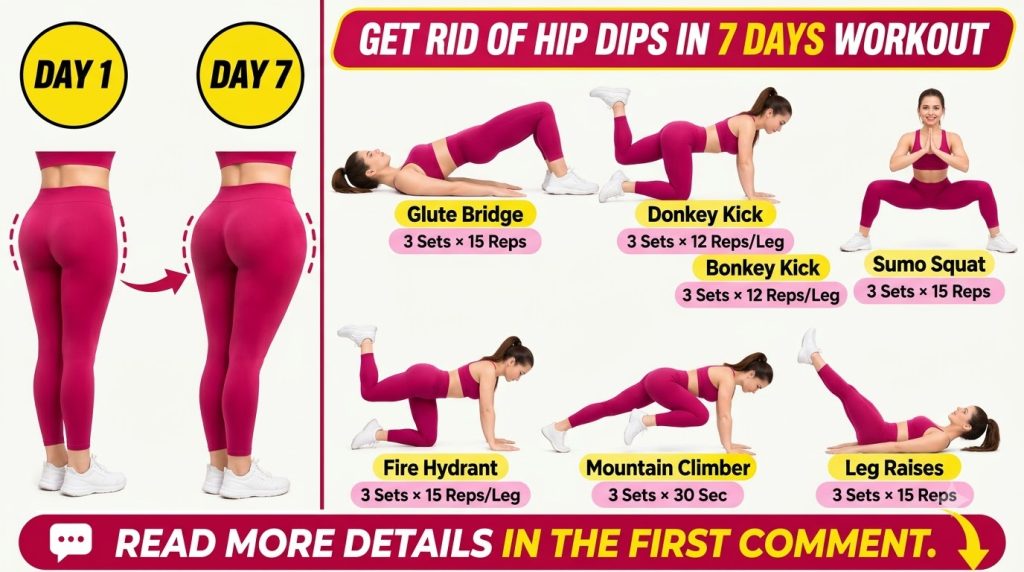
The Core Moves in This Plan
This plan builds on a small group of foundational exercises. Each one targets the glutes, hips, or thighs in a slightly different way:
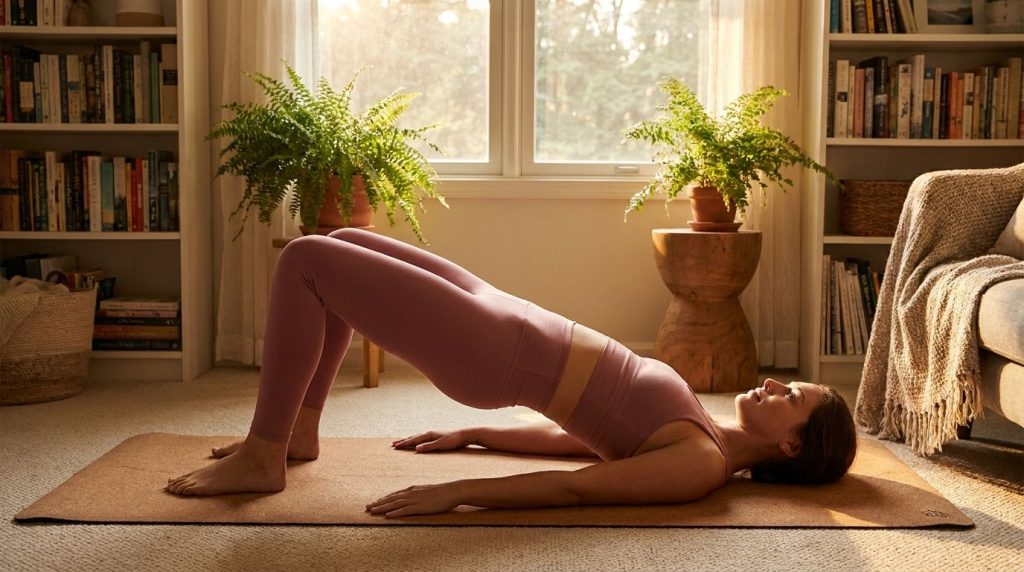
- Glute Bridge: Lying on your back and lifting your hips works the glutes and hamstrings.
- Donkey Kick: Kicking one leg back from a hands-and-knees position targets the glutes.
- Bent-Leg Donkey Kick: A variation that changes the angle of the movement to engage the glutes from a different position.
- Sumo Squat: A wide-stance squat that works the inner thighs, glutes, and quadriceps.
- Fire Hydrant: Lifting one bent leg out to the side strengthens the outer hips.
- Mountain Climber: A dynamic movement that combines core work with hip and leg engagement.
- Leg Raises: Lifting the legs while lying down supports the lower abdominals and hip flexors.
How to Approach the 7-Day Plan
The key to this type of challenge is steady progress rather than intensity. Here are a few practical tips:
- Start with a comfortable number of repetitions and sets, then gradually increase as your strength improves.
- Move slowly and with control. Quality of movement matters more than speed.
- Keep your core gently engaged and avoid arching your lower back during bridges and kicks.
- Rest at least one day between more intense sessions if you feel sore, and listen to your body.
- Pair the workout with a balanced diet and regular daily movement, such as walking.
Tips for Staying Consistent
Consistency is often the biggest challenge with any short-term fitness plan. Setting a specific time each day, tracking your sessions in a notebook or app, and choosing a workout space you enjoy can all make it easier to follow through. You can also review the WHO guidance on physical activity for a broader view of how movement supports long-term health.
Important Note
This article is for educational purposes only and is not a substitute for medical advice, diagnosis, or treatment. If you have joint problems, back pain, recent injuries, or any health condition, speak with a qualified healthcare professional before starting a new exercise program. Stop any movement that causes sharp or unusual pain.
For more ideas on building a balanced routine, explore our related guides on healthy habits and daily wellness tips on Wellness Daily.