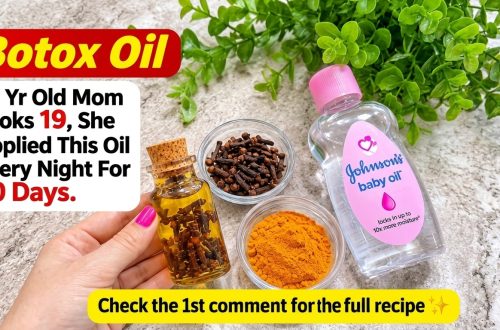
If you have been scrolling through beauty videos lately, you have probably seen a homemade ‘Botox oil’ promising smoother, younger-looking skin. The mix usually combines clove oil, baby oil, turmeric, and whole cloves, and it is often presented as a natural shortcut to a youthful glow. Let’s take a closer look at what this oil can realistically offer, why the name is misleading, and how to use the ingredients more safely.
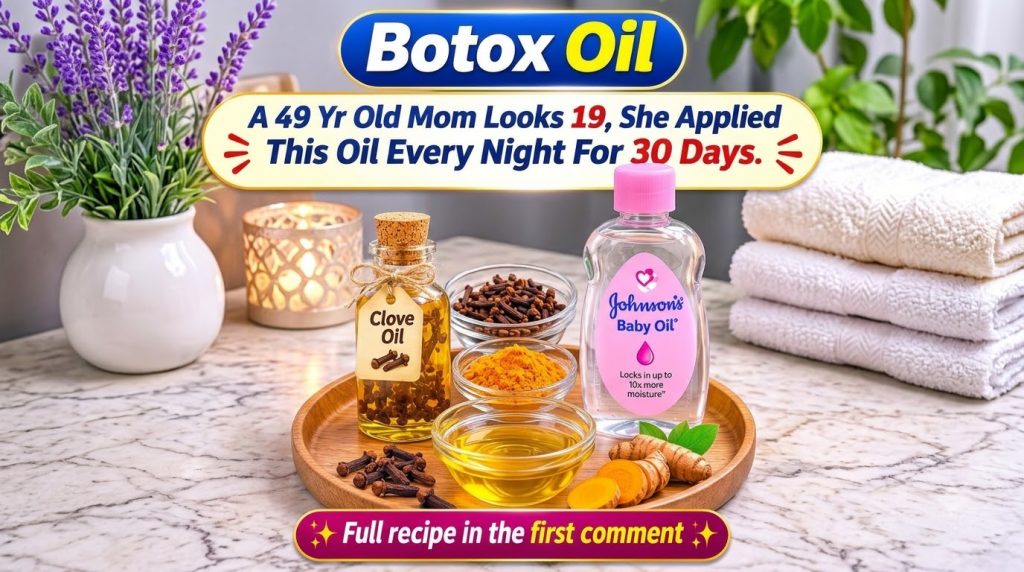
What Is in This Viral Oil?
Most versions of this recipe are built from a few simple components:
- Clove oil, a concentrated essential oil known for its strong aroma
- Baby oil, a mineral oil that is widely used as a moisturizing base
- Turmeric, a golden spice that is popular in natural skincare
- Whole cloves, sometimes steeped in the oil for a homemade infusion
Why the ‘Botox’ Name Is Misleading
Botox is a prescription medical treatment that temporarily relaxes muscles to reduce the appearance of certain wrinkles. A kitchen or bathroom oil cannot do the same thing. No homemade blend can relax facial muscles or reverse aging at a cellular level. Any product that promises results like Botox is overselling what it can deliver, so it is wise to read claims like these with a healthy dose of skepticism.
What Each Ingredient Actually Contributes
Baby Oil
Baby oil is a mineral oil. It does not nourish skin in the way plant oils do, but it creates a thin barrier that helps reduce water loss. This can make skin feel softer and more comfortable, especially in dry weather.
Clove Oil
Clove oil contains eugenol, a compound with antioxidant and antimicrobial properties. It has a long history in traditional remedies. However, it is very potent, and undiluted use can irritate or even burn sensitive skin. Think of it as a small accent ingredient, not the main event.
Turmeric
Turmeric contains curcumin, which has antioxidant activity and is often used to support a brighter-looking complexion. Turmeric can also stain skin and fabric yellow, so use it carefully, especially if you plan to wear the oil overnight on your pillowcase.
A Gentler Way to Try the Idea
If you are curious about this type of oil, a more skin-friendly approach is to start with a lightweight carrier oil such as jojoba, sweet almond, or grapeseed oil. Add only a very small amount of clove oil, because a little goes a long way. Skip the baby oil if your skin tends to feel congested, and consider leaving out turmeric altogether until you know how your skin responds.
Safety Tips Before You Apply Anything
- Always do a patch test on a small area of skin, such as the inner forearm, and wait at least 24 to 48 hours.
- Avoid the eye area and broken or irritated skin.
- Keep clove oil well diluted and store your blend in a clean, dark glass bottle.
- Stop using the mixture if you notice redness, itching, stinging, or swelling.
- Check with a dermatologist or healthcare provider first if you are pregnant, nursing, or managing a skin condition.
Setting Realistic Expectations
A homemade oil can be a pleasant part of a self-care routine. It may leave skin feeling softer and more hydrated, and the ritual of massaging a warm, fragrant oil into your face can be relaxing. It will not erase deep wrinkles or replace proven treatments such as sunscreen, a gentle moisturizer, retinoids recommended by a professional, or in-office procedures. Consistency with sun protection and a simple daily routine will do far more for youthful-looking skin than any single viral recipe.
Final Thoughts
The ‘Botox oil’ trend is appealing because it promises a quick, natural fix using ingredients many people already have at home. The most useful takeaway is to enjoy the ingredients for their gentle, comforting qualities, test carefully, and keep your expectations grounded. If you love DIY beauty, a simple, well-diluted oil blend can be a lovely addition to your routine, as long as your skin stays happy and healthy.