Most people throw away the milky sap they see on an unripe papaya without realizing it is one of the most talked-about DIY skin ingredients in home remedy circles. The catch is that it works only when it is collected fresh, diluted correctly, and tested on a small patch first.
What Papaya Sap Is
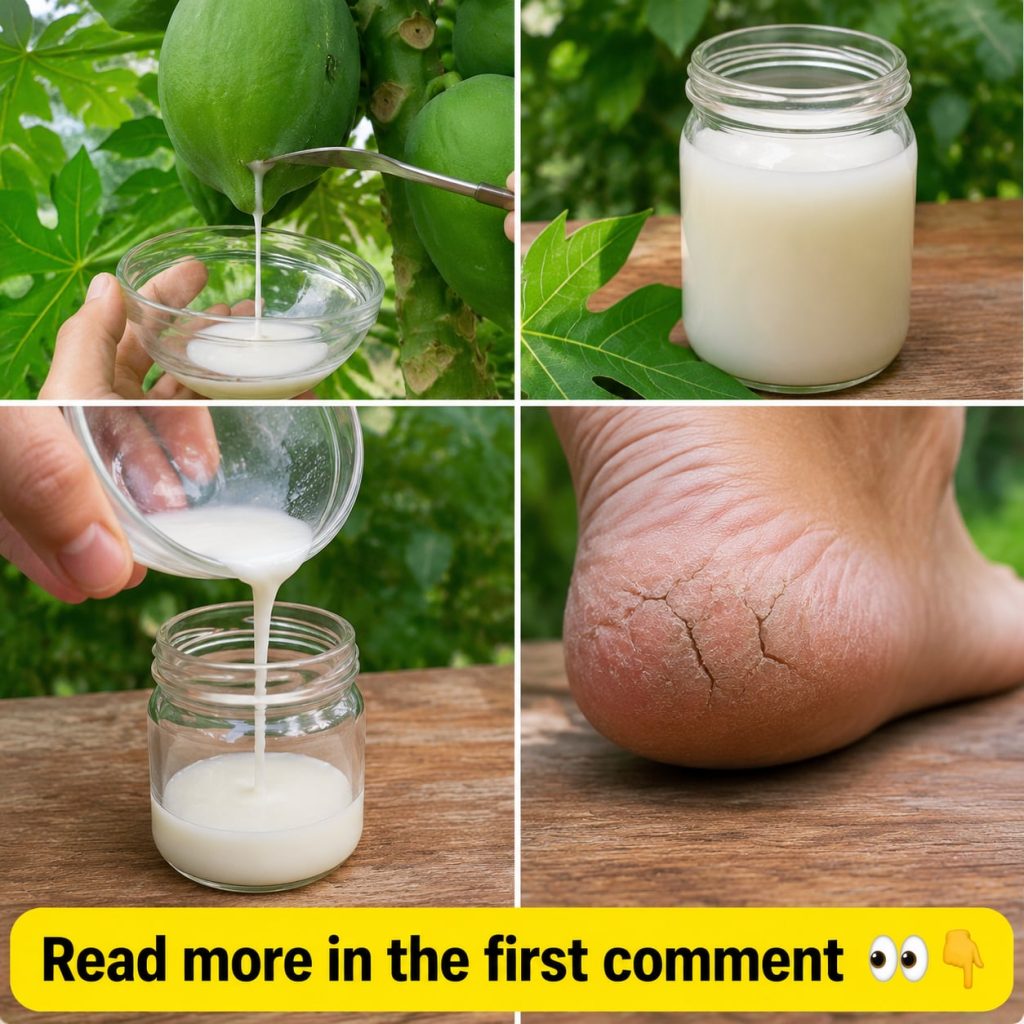
Papaya sap, also called papaya latex, is the white liquid found in the skin and flesh of unripe papaya. It contains papain, a natural enzyme that is well known in food and traditional preparations. Research on papaya latex for dry skin is limited, so treat it as a simple home preparation to test carefully, not a proven treatment.
What You Need
- 1 small unripe green papaya, firm with no soft spots
- 1 clean sharp knife or a small paring knife
- 1 small glass bowl or jar
- 1 teaspoon raw honey (optional, for a softer mix)
- 1 teaspoon pure aloe vera gel (optional)
- Cotton pads and lukewarm water for rinsing
Approximate Measurements
A single small papaya usually yields only a few teaspoons of latex, so work in small batches. A typical single-use mix is 1 teaspoon fresh latex, 1 teaspoon honey, and optionally 1 teaspoon aloe gel. Never prepare more than you will use within the hour.
Step-by-Step Method
- Wash the papaya and pat it dry. Choose a fruit that is still fully green.
- Make a shallow nick about 2 millimeters deep on the skin. Do not cut into the flesh.
- Let the white latex drip into your glass bowl. It will begin to thicken within a few minutes.
- Stir in honey or aloe gel if you want a gentler, spreadable texture.
- Apply a thin layer to a small test area of skin and wait 24 hours before using it more widely.
Quick Tip: Collect the latex in the morning. The fresher it is, the more active the enzyme will be.
How to Use It
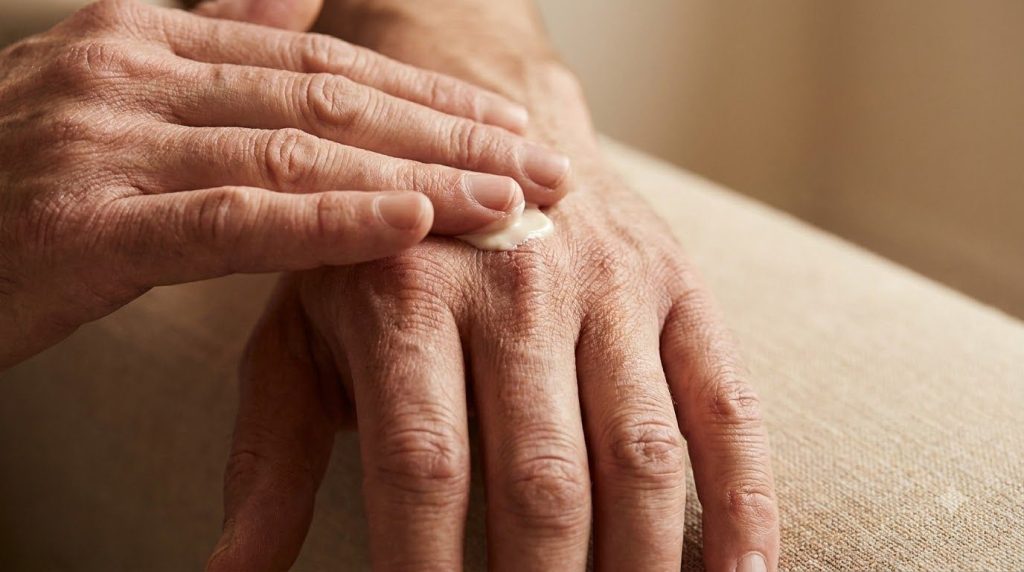
Once your patch test is clear, apply a thin layer only to the dry, rough area, avoiding the eyes, lips, and any open cut. Leave it on for no more than 2 to 3 minutes, then rinse with lukewarm water and pat dry. Follow with a plain, fragrance-free moisturizer while your skin is still slightly damp.
Common Mistake: Leaving the mix on until it dries and tightens. Drying does not make it work better, and it increases the chance of irritation.
How Often to Use It
Use it no more than once every two to three days, and only while your skin tolerates it. Daily use is not recommended, because repeated enzyme exposure can irritate sensitive skin and make cracked areas sting.
Fresh vs Stored Preparations
| Version | Best Use | How Long It Lasts |
|---|---|---|
| Fresh latex, used directly | Single small treatment | Use within 1 hour |
| Latex mixed with honey | Spot treatment on dry areas | Refrigerate, use within 24 hours |
| Latex mixed with aloe gel | Softer application on hands or elbows | Refrigerate, use within 24 hours |
How to Choose the Right Papaya
Look for a papaya that is fully green, firm to the touch, and free from bruises, mold, or soft spots. Avoid fruit that is sprayed with visible residue or that has been stored in plastic for long periods. Organic or home-grown fruit is a better choice when you can find it.
Storage
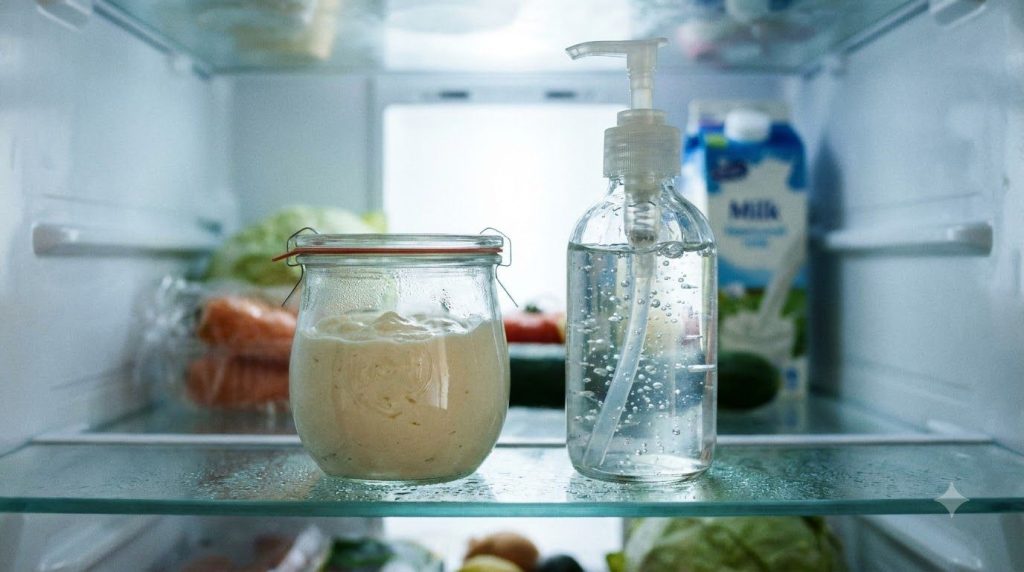
Fresh latex should be kept in a clean, airtight glass container in the refrigerator and used within 24 hours. Never store it in a damp jar, because moisture encourages bacterial growth. Discard any mixture that smells sour, changes color, or develops a film.
Practical Tips
- Use a clean spoon each time you scoop the mixture.
- Keep your papaya at room temperature until you are ready to collect the latex.
- Pair the treatment with a gentle, fragrance-free moisturizer for better comfort.
Did You Know? Papain is also used in meat tenderizers, which is why the enzyme can feel strong on delicate skin.
Common Mistakes
- Using damaged or overripe fruit, which gives less latex and a less predictable result.
- Applying it to open cracks, bleeding skin, or fresh wounds.
- Skipping the 24-hour patch test.
- Storing the mixture for several days.
- Using it on the face, around the eyes, or on sunburned skin.
Cautions and Who Should Avoid It
Papaya latex can cause allergic reactions, especially in people who are sensitive to latex or papaya. Skip this remedy if you have a known latex allergy, a fruit allergy, eczema flare-ups, or open skin. Stop immediately if you feel burning, swelling, or itching, and rinse the area well. If your cracked skin does not improve within a week or shows signs of infection, speak with a healthcare professional.
Quick Summary
- Best preparation: Fresh latex from a fully green papaya, mixed with a little honey or aloe.
- Best use case: Short, thin, spot treatments on dry, rough areas such as hands, knuckles, or elbows.
- Storage: Refrigerate in a clean glass jar for no more than 24 hours.
- When to use: Every two to three days at most, after a successful patch test.
- What to avoid: Open cuts, the face, daily use, and overripe fruit.
Frequently Asked Questions
Can I use fresh or dried papaya latex?
Fresh latex is the version most home recipes use. Dried latex loses much of its character and is harder to control, so fresh collection is the simpler choice.
How long does the mixture last?
Use it within one hour at room temperature or within 24 hours if refrigerated in a sealed glass jar.
Can I refrigerate it?
Yes, refrigeration is the best option for short-term storage. Keep it covered and label it with the date.
Can I freeze it?
Freezing is not recommended for home use, because it can change the texture and reduce consistency.
How often should I use it?
No more than once every two to three days. Stop if your skin becomes red, itchy, or sore.
Which part of the papaya is best?
The latex comes from the green skin and fruit surface. Choose a firm, unripe fruit rather than a ripe one.
Can I reuse the leftover fruit?
The fruit can be used in food preparations once the latex has been collected, as long as it is washed well and not overly bruised.
When should I avoid it?
Avoid it if you have a latex or papaya allergy, open wounds, eczema flare-ups, or sensitive skin that reacts to enzymes.
Conclusion
Papaya latex can be a simple, interesting addition to a home skin routine when it is collected fresh, mixed gently, and used in small amounts. Keep your sessions short, test first, and rely on a consistent moisturizer for the bulk of your dry-skin care.
Read More
You may also like: a complete guide to homemade moisturizers for dry hands.
Read more: how to choose safe natural ingredients for sensitive skin.
See the full guide: DIY hand balms for cracked winter skin.