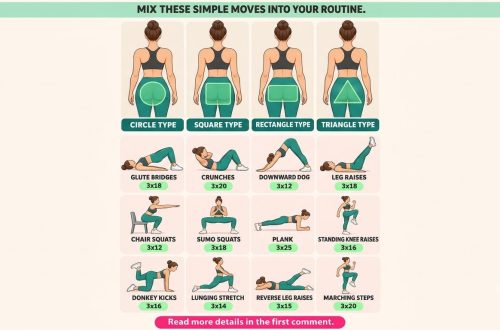
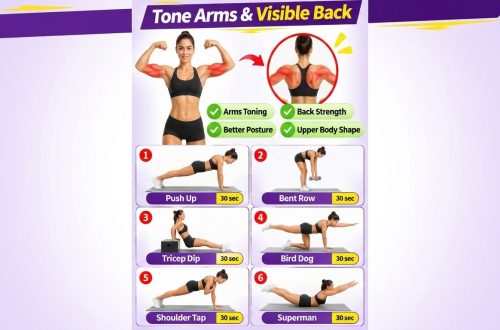
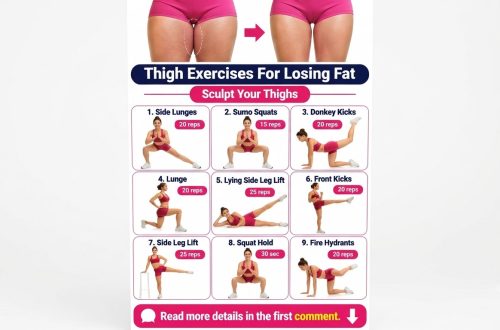
Want stronger, rounder glutes without spending hours in the gym? A focused, quick routine can help you activate and build your glutes effectively, even on a busy week. In this guide, you will find a simple structure for a six-exercise glute session using timed sets, along with practical tips to help you train safely and stay consistent.
Why Glute Training Matters
Your glutes are the largest muscle group in your body, and they play a major role in hip extension, stabilizing your pelvis, and powering movements like squatting, climbing stairs, running, and cycling. Strong glutes support better posture, help protect your lower back during daily activities, and contribute to athletic performance.
Many people who sit for long hours at a desk find their glutes become underactive. Regular targeted training helps wake those muscles up and build the strength needed for everyday movement and your fitness goals.
How Timed Sets Work
Timed sets remove the guesswork from your workout. Instead of counting reps, you focus on holding or performing an exercise for a set duration, which makes it easy to track progress and keep your session efficient.
- Warm up for 5 minutes with light cardio such as brisk walking or cycling.
- Perform each exercise for 30 to 45 seconds with controlled form.
- Rest for 20 to 30 seconds between exercises.
- Complete two to three rounds of the full routine.
Focus on quality over speed. Slow, controlled movements with a strong mind-muscle connection will do more for your glutes than rushing through reps.
Six Key Glute Exercises
The following movements target the glutes from several angles, including hip extension, abduction, and stabilization. Choose a weight that challenges you while keeping your form clean.
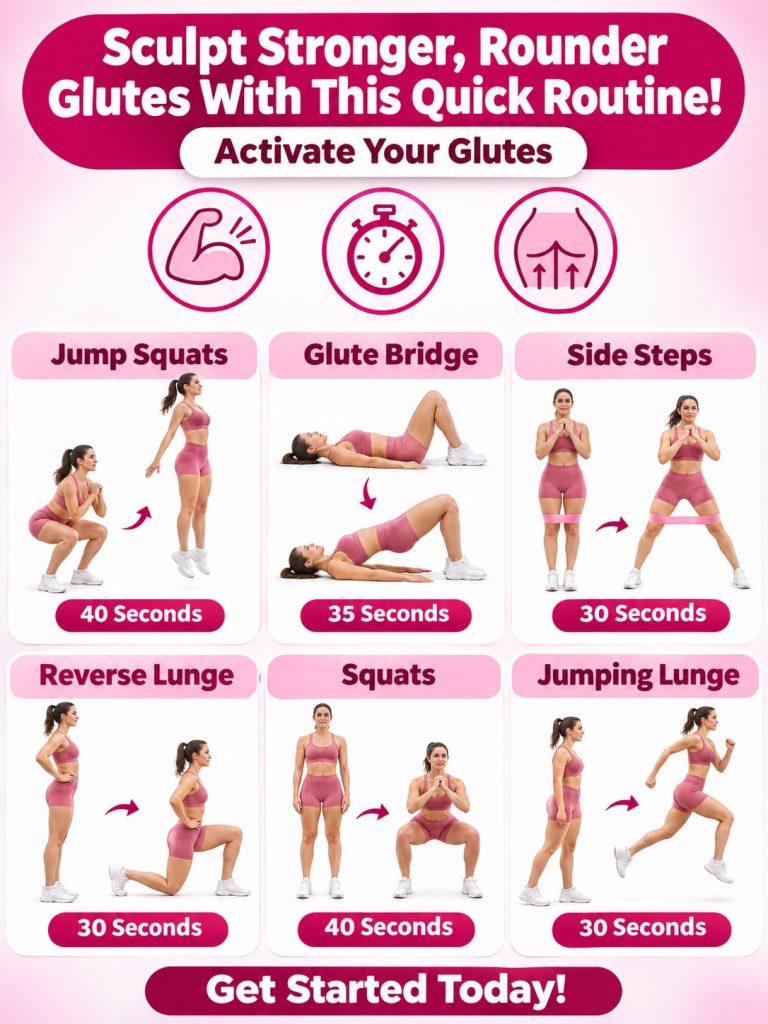
1. Glute Bridges
Lie on your back with knees bent and feet flat on the floor. Press through your heels to lift your hips until your body forms a straight line from shoulders to knees, then squeeze your glutes at the top before lowering slowly.
2. Bodyweight Squats
Stand with feet slightly wider than shoulder width. Push your hips back and bend your knees as if sitting into a chair, keeping your chest up and weight in your heels. Return to standing by driving through your feet.
3. Glute Kickbacks
Start on your hands and knees with your back flat. Keeping your knee bent, lift one leg behind you until your thigh is in line with your torso, squeezing your glute at the top. Avoid arching your lower back during the movement.
4. Reverse Lunges
Step one foot backward and lower your back knee toward the floor while keeping your front knee stable above your ankle. Push through your front heel to return to the starting position, then switch sides.
5. Side-Lying Hip Abduction
Lie on one side with your legs stacked and slightly bent. Lift your top leg toward the ceiling without rolling your hips backward, then lower with control. This exercise targets the gluteus medius, which helps stabilize the hips.
6. Donkey Kicks
Start on your hands and knees. Keeping your knee bent at about 90 degrees, lift one heel toward the ceiling until your hip is fully extended, then return with control. Focus on squeezing your glute rather than swinging your leg.
Sample Quick Routine
- Glute Bridges: 45 seconds
- Bodyweight Squats: 45 seconds
- Glute Kickbacks: 30 seconds per side
- Reverse Lunges: 30 seconds per side
- Side-Lying Hip Abduction: 30 seconds per side
- Donkey Kicks: 30 seconds per side
Complete this circuit two to three times, resting 20 to 30 seconds between exercises and 60 to 90 seconds between rounds. As you get stronger, extend the time per exercise or add light resistance such as a resistance band or dumbbells.
Tips for Safe and Effective Training
- Prioritize proper form before adding weight or time.
- Breathe steadily, exhaling as you lift or push.
- Train glutes two to three times per week with at least one rest day between sessions.
- Pair your workouts with adequate protein intake to support muscle repair and growth.
- Stop if you feel sharp pain, and consult a qualified professional if you have an existing injury.
Fuel Your Glutes With Smart Nutrition
Training is only part of the equation. Include lean protein such as chicken, fish, eggs, Greek yogurt, or legumes in your meals, and add complex carbohydrates like oats, brown rice, and sweet potatoes to fuel your workouts. Staying hydrated and eating whole foods will help you recover and see steady progress over time.
Stay Consistent and Keep Progressing
Consistency is what turns a simple routine into real results. Track your sessions, celebrate small wins, and gradually increase difficulty each week. Over time, you will notice improved strength, better stability, and more confidence in your training.
Ready to start? Save this routine, schedule your first session, and let your next workout be the one that builds momentum. If you would like a beginner-friendly workout guide, comment “Plan” on our Facebook page and we will share one with you.