Chia seeds are one of the most visually surprising foods in the pantry. A small spoonful of dry seeds looks almost like sand, but once they meet liquid, they swell into a soft, jelly-like gel. This simple transformation is a big part of why chia seeds have become such a popular addition to healthy eating routines.
In this guide, we walk through what happens when chia seeds are hydrated, why that gel matters, and how to figure out a portion that fits your daily routine.
What Happens When Chia Seeds Get Wet
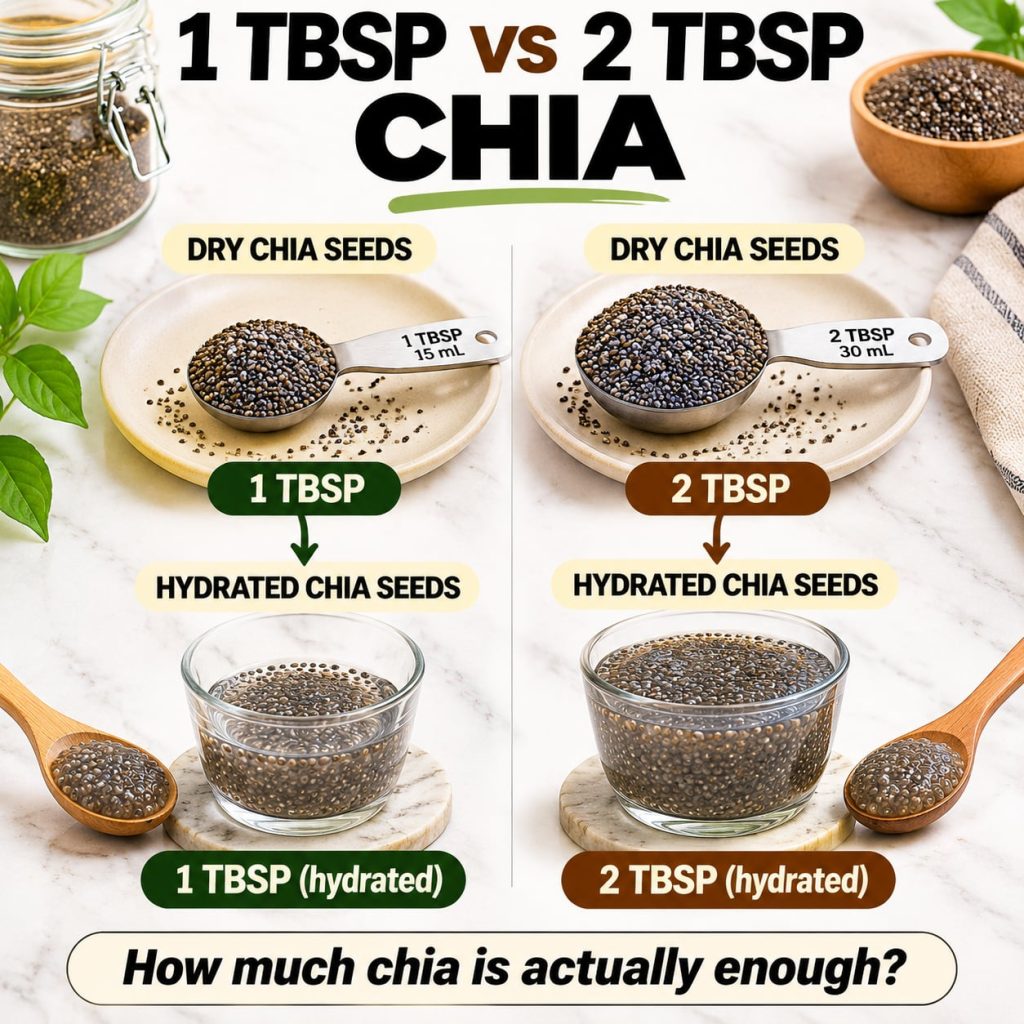
Chia seeds have an outer coating that absorbs water. As they soak, they expand and release a gel-like substance around each seed. Within a few minutes of stirring them into liquid, the mixture starts to thicken. After about 15 to 30 minutes, it often reaches a pudding-like consistency.
This gel is the reason chia seeds work so well in recipes that need texture, such as overnight oats, puddings, and smoothies. It is also the reason many people like to let them soak before eating.
Tips for Hydrating Chia Seeds
- Stir the seeds into liquid right away to prevent clumping.
- Stir again after a few minutes for an even texture.
- Let the mixture rest in the fridge for at least 20 minutes, or overnight for a thicker result.
- Store prepared chia gel in a sealed container and use it within a few days.
Health Benefits Associated with Chia Seeds
Chia seeds are commonly associated with fiber, plant-based omega-3 fats, and protein. When included as part of a balanced diet, they may help support digestive health, keep you feeling full between meals, and add useful nutrients to everyday meals.
Because the gel slows the pace at which the seeds move through your stomach, many people find chia a satisfying choice for breakfast or a midday snack. Results vary from person to person, so think of chia as one helpful part of a varied eating pattern rather than a quick fix.
How Much Chia Seeds Is Right for You?
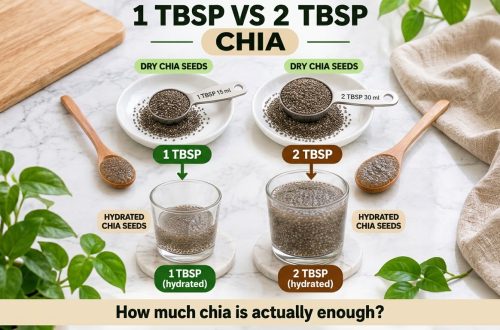
For most adults, a common serving is about 1 to 2 tablespoons, which is roughly 12 to 24 grams, per day. Starting with 1 tablespoon is a practical way to see how your body responds, especially if you are not used to a lot of fiber.
- Start with 1 tablespoon of dry chia seeds per day.
- Soak them in at least 1/2 cup of liquid before eating.
- Drink extra water throughout the day, since fiber works best with adequate hydration.
- Increase slowly only if your digestion feels comfortable.
Simple Ways to Add Hydrated Chia to Your Day
Once the seeds are soaked, they blend into many everyday foods without much effort. Stir them into plain yogurt, spoon them over fruit, or mix them into a smoothie after it has been blended. They also pair well with oats for a make-ahead breakfast.
If you are looking for healthy breakfast ideas that keep well in the fridge, chia pudding is a reliable choice. Prepare a batch on the weekend and portion it into small containers for quick grab-and-go mornings.
Who Should Be Careful
Chia seeds are generally well tolerated, but they absorb a lot of liquid. Always eat them with enough fluid, and avoid swallowing dry seeds in large amounts. If you have a swallowing difficulty, digestive condition, or take medication that is affected by fiber intake, speak with a qualified healthcare professional before adding chia to your routine.
Final Thoughts
Watching chia seeds transform is a satisfying reminder that small foods can make a big difference in texture and nutrition. With a simple portion of 1 to 2 tablespoons, proper hydration, and a bit of planning, chia can become an easy addition to your healthy eating habits.
Medical disclaimer: This article is for general information only and is not a substitute for professional medical advice. Please consult a qualified healthcare provider before making changes to your diet, especially if you have a health condition.