Why Everyday Kitchen and Bathroom Staples Are So Popular
There is something comforting about beauty tips that use items you already have at home. Baking soda and petroleum jelly are two of the most familiar products in many bathrooms, and they are often mentioned in home beauty conversations. If you have been looking for a simple, budget-friendly way to care for your skin, this guide walks you through what these ingredients are, how people commonly use them, and what to keep in mind before you try anything new.
Understanding Baking Soda and Petroleum Jelly
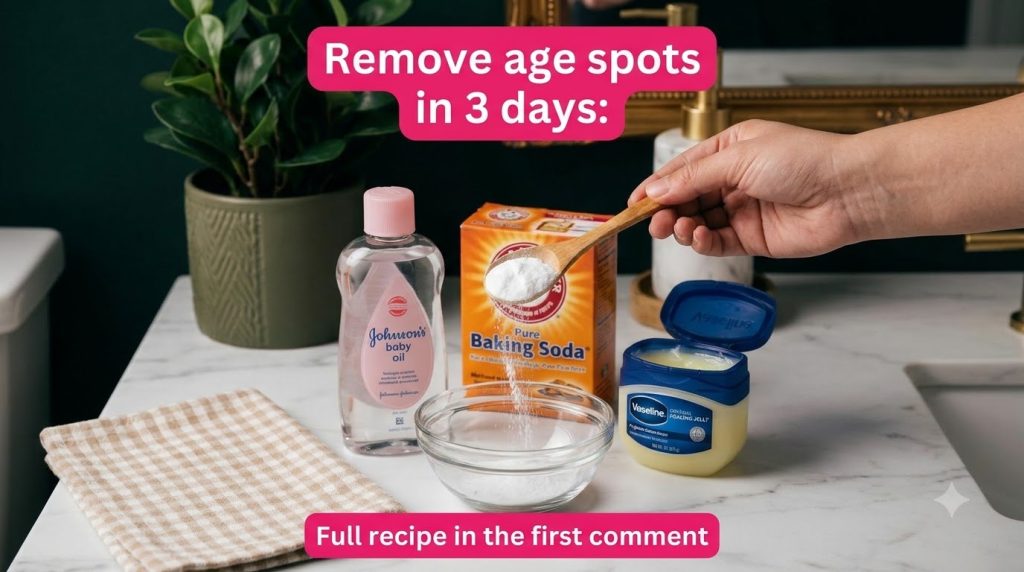
Baking gives many home recipes a mild, gentle character. Petroleum jelly, sometimes sold as a skin protectant, is widely used to help lock in moisture and keep dry areas comfortable. Each ingredient has a different role, and they work very differently from one another.
-
Baking soda is a fine powder that some people use as a gentle scrub for occasional exfoliation.
-
Petroleum jelly is a classic occlusive that helps seal in hydration after cleansing.
-
Both are inexpensive and easy to find, which makes them popular with beauty beginners.
Important Safety Tips Before You Start
Gentle care always comes first. Baking soda can be harsh on some skin types, especially sensitive or irritated skin, so it should never be applied in strong amounts or left on for a long time. Always do a patch test on a small area of your inner arm or jawline and wait at least 24 hours to see how your skin responds.
Less is often more. A small amount used gently is much kinder to your skin than a heavy, long-lasting mixture.
A Simple Routine to Support a Radiant Look
If you want to try a basic at-home approach, keep your steps short and calm. Cleanse your face with lukewarm water and a mild cleanser, pat dry, and apply a thin layer of petroleum jelly to lock in moisture at night. Consistent hydration, sun protection during the day, and a gentle nightly routine can all help your skin look smoother and more even-toned over time.
Realistic Expectations for Skin Spots
Dark spots and uneven tone develop for many reasons, including sun exposure, age, and hormones. Home remedies can support a healthy-looking complexion, but they are not a guaranteed fix, and results vary from person to person. If you notice a spot that changes in size, shape, or color, or that bleeds or itches, please see a dermatologist promptly rather than relying on home methods.
Final Thoughts on Clear, Glowing Skin
A radiant complexion usually comes from steady habits rather than one quick trick. Gentle cleansing, daily moisturizing, sunscreen, and a little patience will do far more for your skin than any single ingredient. Try the basics, listen to your skin, and enjoy the simple self-care ritual of looking after yourself.