What Happens When Chia Seeds Meet Liquid?
Drop a spoonful of chia seeds into a glass of water and watch closely. Within seconds, the seeds begin to sink, and within minutes they start to swell, turning from tiny dark specks into a soft, gel-like mass. This simple transformation is one of the most interesting things about chia seeds, and it explains why they have become a favorite among health-conscious eaters looking for a hydrating, filling food.
Why Chia Seeds Swell So Much
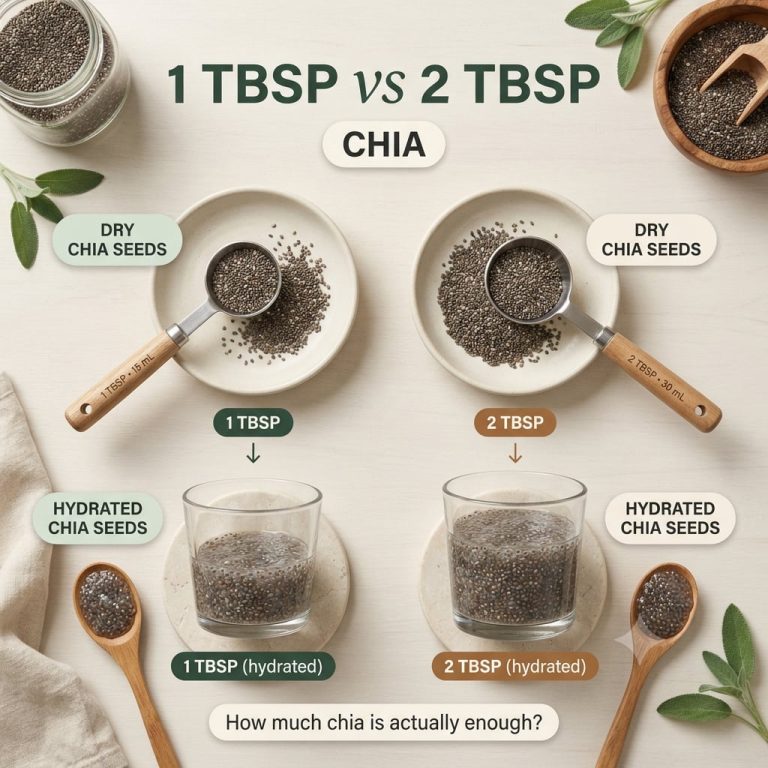
Chia seeds are rich in soluble fiber, particularly a type called mucilage. When the outer layer of the seed contacts water, this mucilage absorbs the liquid and forms a gel. A single tablespoon of chia seeds can absorb roughly ten times its weight in water, which is why a small amount of seeds can fill a bowl or cup with a pudding-like texture.
How This Helps Your Daily Routine
The gel-forming fiber in chia seeds does more than create an interesting texture. Because it slows digestion, many people find that a chia-based breakfast or snack keeps them feeling full for longer. Fiber also supports regular digestion and contributes to a healthy gut environment, making chia a useful addition to a balanced eating pattern.
- Adds hydration through the water the seeds absorb
- Provides soluble fiber that supports satiety
- Contributes plant-based omega-3 fatty acids
- Offers protein, calcium, and magnesium in small amounts
Simple Ways to Use Chia Seeds
The easiest way to enjoy chia is to let it soak before eating. Here are a few practical ideas:
- Make a classic chia pudding by stirring three tablespoons of seeds into one cup of milk or plant-based milk, then refrigerating for at least two hours or overnight.
- Sprinkle dry seeds over yogurt, oatmeal, or smoothie bowls for added texture.
- Stir seeds into water or lemon water and let them sit for ten minutes for a light hydrating drink.
- Blend a spoonful into smoothies for an extra boost of fiber.
Tips for Getting the Best Results
Always let chia seeds soak fully before eating them, especially if you are not used to high-fiber foods. Start with one to two tablespoons per day and drink plenty of water throughout the day. If you have a swallowing issue or a digestive condition, speak with your healthcare provider before adding large amounts of chia to your diet.
The Bottom Line
Watching chia seeds expand is a fun reminder that small, whole foods can deliver meaningful benefits. With their gel-forming fiber, plant-based nutrients, and versatility in the kitchen, chia seeds are an easy addition to a healthy eating routine. Try making a simple chia pudding this week and notice how it helps you feel satisfied.