Feeling tired by mid-afternoon, or noticing that your energy simply doesn’t last the way it used to? Iron is one of the most important minerals for keeping your energy steady, and many adults fall short without realizing it. The good news is that you can build a satisfying, iron-conscious diet using everyday plant foods you may already have in your pantry.
Why Iron Matters for Your Daily Energy
Iron is a core part of hemoglobin, the protein in red blood cells that carries oxygen from your lungs to every tissue in your body. It also supports muscle function and helps your body produce energy at the cellular level. When your iron intake runs low over time, you may feel fatigued, short of breath during light activity, or less able to concentrate.
There are two forms of dietary iron. Heme iron, found in animal foods, is absorbed more efficiently. Non-heme iron, found in plant foods, is still valuable, but your body absorbs it less readily. The good news is that a few simple habits can significantly improve how much you take in from plant sources.
Legumes: Affordable Iron Powerhouses
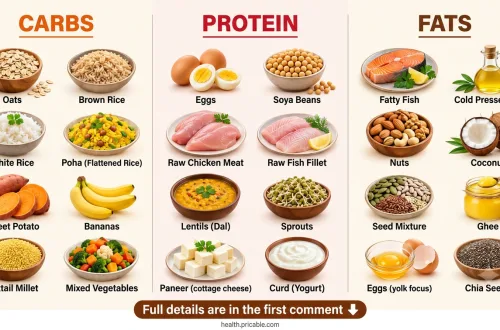
Legumes are among the most practical iron sources for busy households. Lentils, chickpeas, kidney beans, black-eyed beans, mung beans and edamame (soybeans) all provide meaningful amounts of non-heme iron along with fiber and plant protein.
- Lentils, including green, brown and red varieties, cook quickly and work well in soups and curries.
- Chickpeas can be roasted for a crunchy snack or blended into hummus.
- Edamame makes an easy, protein-rich side dish or salad addition.
Seeds and Nuts for Everyday Snacking
Sesame seeds, sunflower seeds, pumpkin-style seed mixes, almonds, cashews, walnuts, hazelnuts and pine nuts can all contribute iron to your day. A small handful sprinkled over oatmeal, yogurt or salads is an easy way to add both minerals and healthy fats.
Leafy Greens to Add to Your Plate
Spinach, Swiss chard, kale, watercress, spring greens and parsley are rich in iron along with vitamin C and other nutrients. Try wilting spinach into a warm pasta dish or adding watercress to a sandwich for a fresh, peppery boost.
Dried Fruits and Whole Grains
Dried apricots, figs, prunes, raisins and sultanas make convenient, naturally sweet snacks that deliver iron in a compact form. Whole grains such as wholemeal bread, whole wheat spaghetti and iron-fortified breakfast cereals add to your daily total, especially when you check labels for added iron.
Smart Tips to Absorb More Iron
- Pair iron-rich plants with vitamin C sources such as citrus, bell peppers, tomatoes or strawberries.
- Limit tea and coffee during the same meal, since their compounds can reduce absorption.
- Soak, sprout or cook legumes thoroughly to improve digestibility.
- Spread iron-rich foods across the day rather than relying on one large serving.
Build Your Iron-Smart Grocery List
Start with one legume, one leafy green, one nut or seed and one fruit or whole grain each week. Over time, these small, consistent choices can help you feel more energized and build a more balanced way of eating.
Before you shop, consider whether a balanced plan could support your needs. If you have a history of anemia or specific health concerns, speak with a healthcare professional for personalized advice. Save this guide for your next grocery trip and start building better energy from your plate today!