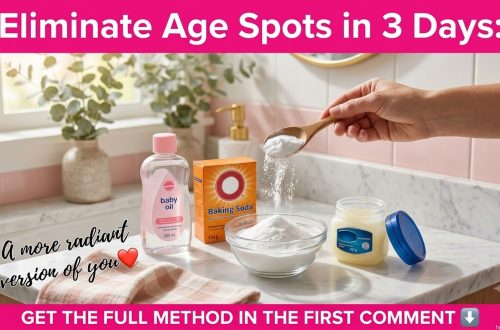
Chances are there is a jar of petroleum jelly sitting in your bathroom cabinet right now. It is one of the most affordable and versatile beauty staples you can own, and it can do much more than save your chapped lips. Let’s look at how to use it wisely for softer, healthier-looking skin.
What Makes Petroleum Jelly So Useful?
Petroleum jelly is an occlusive, which means it forms a light protective layer on the skin. This layer helps trap moisture that is already there, so your skin stays hydrated for longer. That is why it works so well on dryness, rough patches and tired-feeling skin after a long day.
Simple Ways to Use It at Home
- Soften dry elbows, knees and heels: Apply a thin layer after your shower, then cover with cotton socks overnight for smoother feet and calmer elbows.
- Care for chapped lips: A small dab before bed helps lips recover while you sleep.
- Protect dry cuticles: Massage a little into your cuticles to keep them soft and less prone to cracking.
- Lock in your night routine: Once your favorite serum or moisturizer has absorbed, add a very thin layer over the top on dry areas to seal in hydration.
Gentle DIY Combos to Try
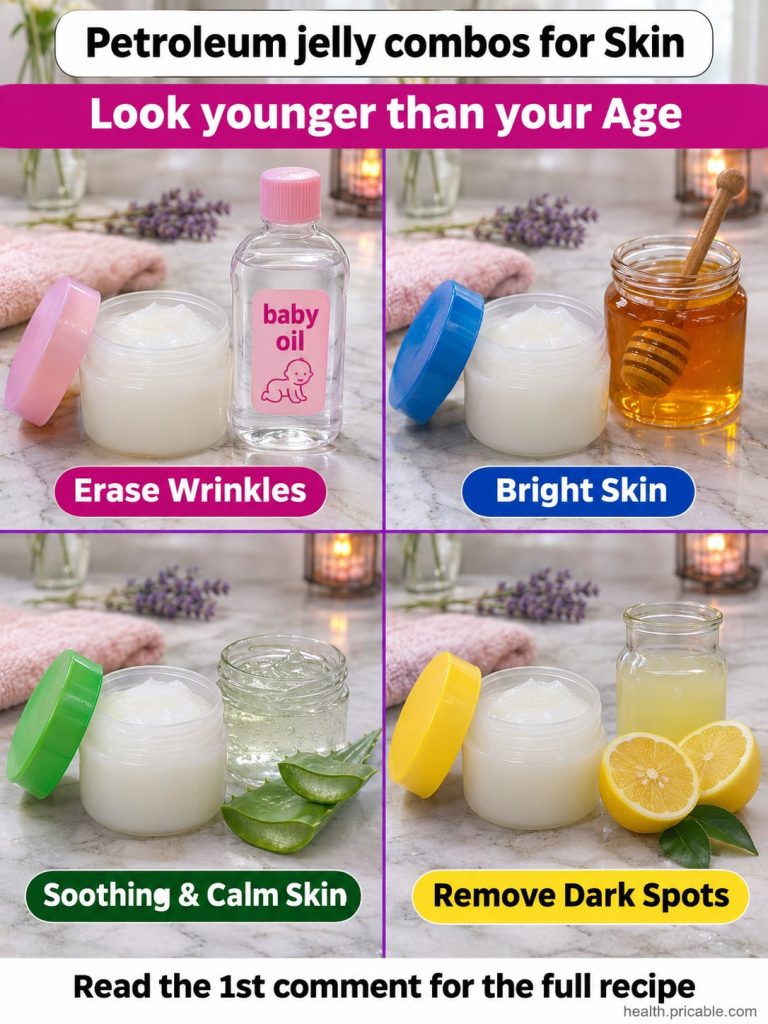
Mixing petroleum jelly with other kitchen-friendly ingredients can make a soothing, budget-friendly treat. Always start with clean hands and clean tools, and keep your portions small.
Soothing Aloe Vera Balm
Combine one teaspoon of petroleum jelly with one teaspoon of pure aloe vera gel. Stir until smooth and apply a thin layer to dry, irritated patches. Aloe vera is known for its calming feel, and this blend is lovely for days when your skin feels tight.
Honey Comfort Mask for Dry Patches
Mix a small amount of raw honey with a little petroleum jelly to create a gentle, nourishing mask. Spread it on dry areas, leave it on for about 15 minutes, then rinse with lukewarm water and pat dry. Honey is naturally hydrating, and this combo can make skin feel comfortable and supple.
Who Should Be Careful?
Petroleum jelly is not the best choice for every face. Because it is heavy, it may feel greasy or clog pores for people with acne-prone or very oily skin. If you are unsure, try it on a small area first, like your inner arm or jawline, and wait 24 hours to see how your skin reacts. If redness, itching or irritation appears, stop using it right away. Anyone with ongoing skin concerns should talk with a dermatologist for personalized advice.
Mistakes to Avoid
- Using a thick layer, which can feel heavy and trap dirt.
- Applying it to deep cuts, burns or broken skin without advice from a healthcare professional.
- Skipping sunscreen during the day, especially if you are working on dark spots or uneven tone.
- Expecting overnight miracles. Consistent, gentle care usually shows the best results over several weeks.
Final Thoughts
Your everyday jar of petroleum jelly can be a helpful part of a simple, affordable skincare routine. Use it in small amounts, pair it with gentle ingredients you already trust, and listen to what your skin tells you. Save this guide for your next routine refresh, and share it with a friend who loves easy beauty tips.