Dark spots can be one of the most frustrating skin concerns. Sun exposure, hormones, and time all play a part, and it is no surprise that a simple home mix promising brighter skin catches attention fast. If you have seen a two-powder and gel combination making the rounds, this guide will help you think it through calmly and practically.
What Are Dark Spots?
Dark spots, also called hyperpigmentation, are patches of skin that look darker than the surrounding area. They often come from extra melanin produced after sun exposure, inflammation, acne, or hormonal shifts. Because they form in different ways, a single remedy rarely works the same for everyone.
What the Viral Post Actually Shares
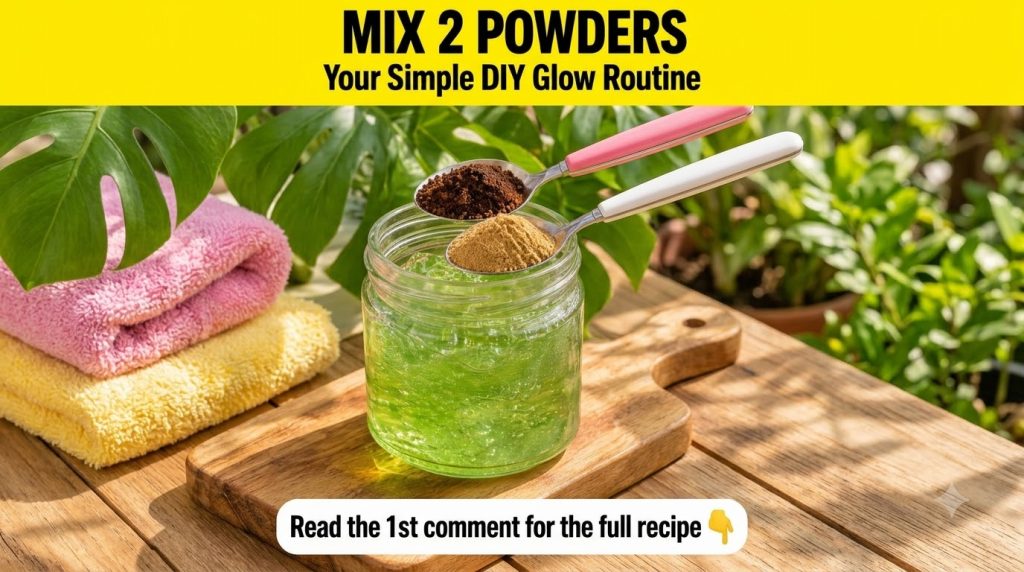
The original post combines two powders with a hydrating gel and promises a brightening routine that clears dark spots in about three weeks. The key details, including the exact measurements, are shared only in the comments, and the powders themselves are not clearly named. That means you cannot confirm what is in the mix, how strong each ingredient is, or whether it suits your skin type.
Before you try any homemade blend, it helps to ask a few simple questions:
- Do I know the name and source of every ingredient?
- Have I checked whether any ingredient is a known skin irritant for me?
- Am I expecting a realistic timeline, or a guaranteed result?
- Would I be comfortable stopping if my skin reacts?
Why Caution Matters With Homemade Skin Mixes
Natural does not always mean gentle. Some powders, such as coarse grounds, can scratch sensitive skin. Others can cause redness, stinging, or allergic reactions. Using ingredients on the face without knowing their properties increases the chance of irritation, and irritation can make dark spots look worse over time.
A Safer Way to Test Any DIY Blend
If you still want to experiment, follow a simple patch test routine:
- Mix only a very small amount, and use clean tools and containers.
- Apply a pea-sized amount to a discreet area, such as behind the ear or inside the forearm.
- Wait at least 24 to 48 hours and watch for redness, itching, burning, or swelling.
- Only consider facial use if the test area stays calm.
Everyday Habits That Support a Brighter Complexion
Many people see the most noticeable improvement from consistent basics rather than one dramatic mix. Daily broad-spectrum sunscreen is one of the most important steps, because sun exposure can darken existing spots. Gentle cleansing, regular moisturizing, and patience with your routine also support a healthier-looking skin tone over time.
When to Talk to a Professional
If a spot is changing in size, shape, or color, bleeding, or raises concern, speak with a dermatologist promptly. A professional can help tell harmless pigmentation apart from other skin conditions and can recommend treatments that have been studied for hyperpigmentation.
The Bottom Line
A homemade two-powder mix may be an interesting DIY project, but the post does not give enough verified information to promise results. Focus on sun protection, gentle care, and a patch test before trying anything new. If you are curious, save the idea, research each ingredient carefully, and consult a skin expert for personalized guidance.