Your Body Speaks Quietly. Are You Listening?
Your body has its own quiet language. When it lacks certain nutrients, it often sends subtle signals that are easy to overlook in a busy day. The good news is that many of these signals can be addressed with simple, everyday food choices that help you bridge nutritional gaps and support your vitality naturally.
Common Body Signals Worth Paying Attention To
Small changes in your body often reflect bigger needs behind the scenes. While these signs can have many causes, and a healthcare professional should always evaluate persistent symptoms, they are useful clues to explore your nutrition.
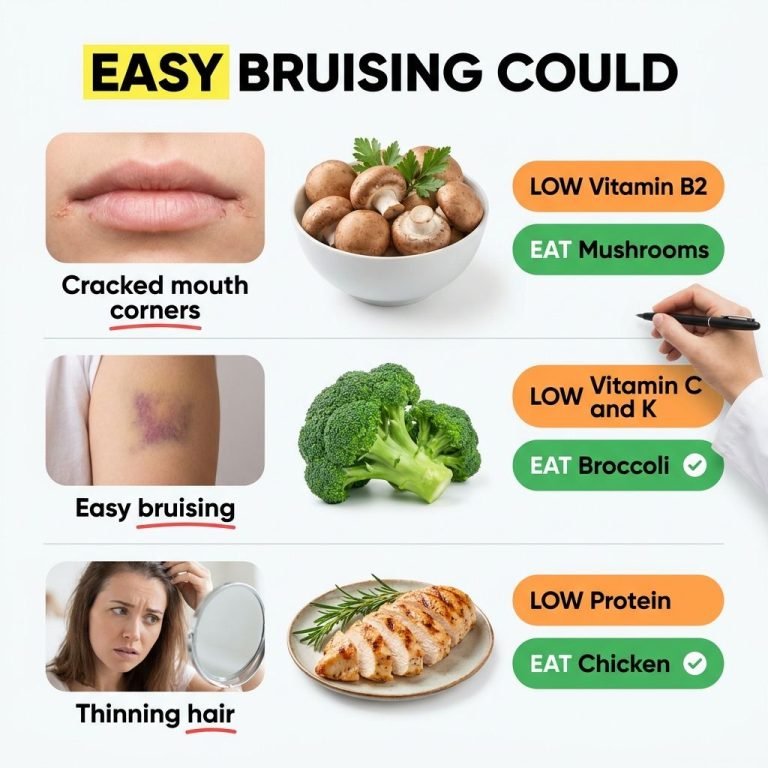
- Cracked or sore mouth corners: Sometimes linked to low iron, vitamin B2 (riboflavin), or B12 intake.
- Easy bruising: Can be associated with low vitamin C or vitamin K intake, which both play roles in healthy blood vessels and clotting.
- Brittle nails or thinning hair: May reflect insufficient protein, iron, zinc, or biotin.
- Persistent fatigue: Often connected to iron, B12, or overall calorie and protein intake.
- Dry skin and slow healing: Can point to low essential fatty acids, vitamin A, or zinc.
- Night vision changes or dry eyes: Sometimes related to vitamin A status.
Why These Signals Matter
Your body relies on a steady supply of vitamins and minerals to build tissues, produce energy, and regulate essential processes. When intake consistently falls short, the body prioritizes critical functions, and less essential systems such as skin, hair, and nails may show the effects first. Recognizing these patterns helps you respond early, before small gaps become bigger concerns.
Simple Food Swaps to Restore Your Nutrient Levels
You do not need a complete diet overhaul to make a difference. Consider these practical, science-informed swaps:
- Swap refined grains for whole grains. Oats, quinoa, and brown rice provide fiber, B vitamins, and magnesium.
- Add a serving of leafy greens daily. Spinach, kale, and Swiss chard offer iron, folate, and vitamin K. Pairing them with citrus or bell peppers helps your body absorb plant-based iron more effectively.
- Choose lean proteins and legumes. Eggs, fish, beans, lentils, and tofu supply protein, zinc, and B vitamins.
- Snack on nuts and seeds. Almonds, walnuts, pumpkin seeds, and chia seeds contribute healthy fats, vitamin E, and magnesium.
- Include colorful fruits and vegetables. Citrus, berries, carrots, and sweet potatoes provide vitamin C and vitamin A precursors that support skin and immune health.
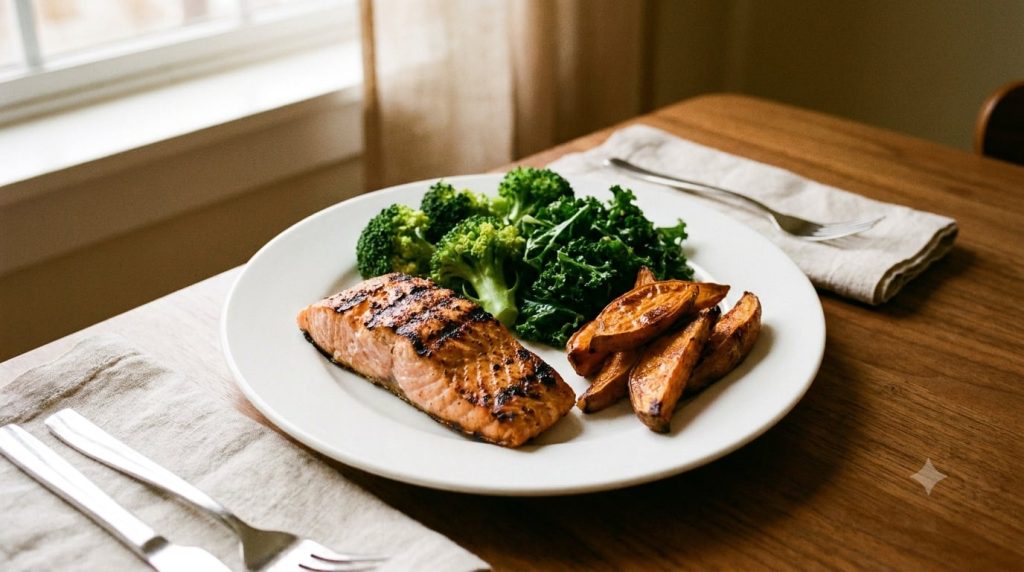
- Consider fatty fish twice a week. Salmon, sardines, and mackerel are rich sources of omega-3 fatty acids that support heart and brain health.
Practical Tips for Building Healthier Habits
- Plan a weekly meal plan so nutrient-dense foods are always within reach.
- Keep a grocery list focused on whole foods, fresh produce, and quality proteins.
- Batch-cook grains and legumes to make healthy meals faster on busy days.
- Track how you feel over several weeks rather than reacting to a single day.
When to Speak With a Professional
Persistent symptoms deserve proper attention. If you notice ongoing fatigue, unexplained bruising, hair loss, or any changes that concern you, talk with a doctor or registered dietitian. Blood tests can identify specific deficiencies so you can address them with the right approach, which may include diet changes or supplementation under professional guidance.
Start Small Today
Your body is constantly communicating with you. By paying attention to its signals and making simple, nutrient-rich food choices, you can support your energy, skin, and overall wellness one meal at a time. Begin with one swap this week, notice how you feel, and build from there. Your future self will thank you.