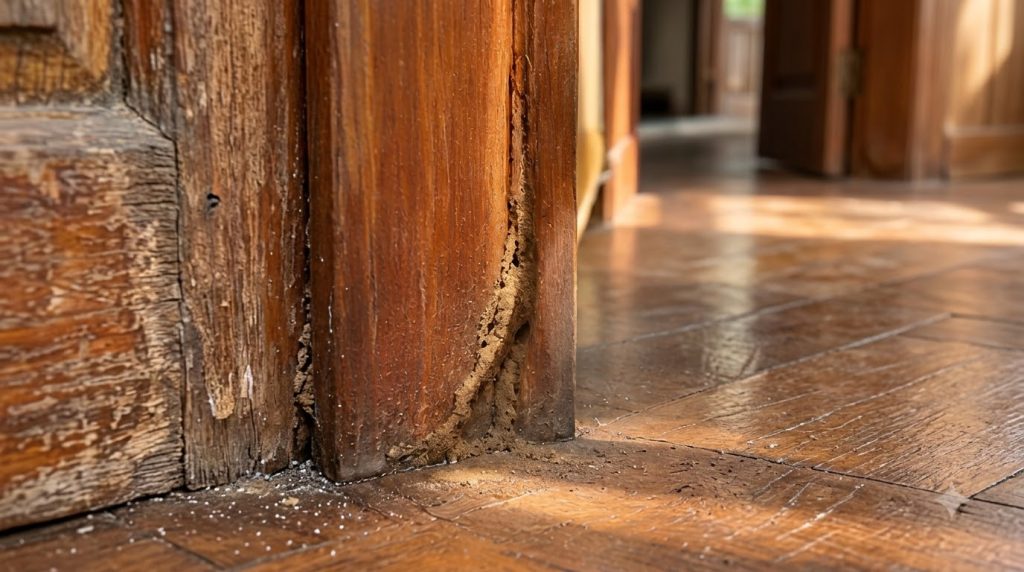
Wooden doors take a lot of abuse. Rain, humidity, sun, and dust all wear down the finish, and over time small cracks and dry spots can make wood look tired and attract unwanted attention from bugs. Many readers look for a gentle, pantry-friendly way to keep their doors clean and in good shape between refinishing jobs. This simple salt, water, and vinegar spray is a practical option for light surface maintenance.
Before you start, it helps to know what this DIY can and cannot do. A homemade spray can help you wipe away residue and keep the surface clean, but it does not kill termites or other wood-boring insects inside the wood. If you suspect an active infestation, you need a professional inspection.
What You’ll Need
Ingredients
- 1 cup warm water
- 1 teaspoon fine salt (table salt or fine sea salt)
- 1/2 cup plain white vinegar
Tools
- A clean glass or plastic spray bottle
- A small funnel (optional)
- Two or three soft microfiber cloths
- A soft-bristle brush for crevices (optional)
- Painter’s tape or a towel to protect nearby surfaces
Why This DIY Can Be Useful
Warm water helps the salt dissolve fully, so it does not leave gritty residue on the surface. White vinegar is mildly acidic and works well for loosening everyday grime, sticky film, and light buildup on sealed wood. Salt adds a bit of gentle abrasion, which can help lift stubborn dust from grooves and trim. Together, they make a light cleaning solution that many people use as a routine wipe-down rather than a heavy-duty treatment.
How to Make It
- Pour the warm water into the spray bottle, leaving a little room at the top.
- Add the salt and swirl or shake the bottle until the salt has fully dissolved. Let it sit for a minute and check that no grains remain at the bottom.
- Add the white vinegar and gently swirl to combine.
- Label the bottle clearly with the date and contents. Store it out of reach of children and pets.
Make only as much as you need for one or two cleaning sessions. Homemade sprays without preservatives are best used within about a week, and you should shake the bottle before each use.
How to Use It
- Dust the door thoroughly with a dry microfiber cloth or soft brush. Removing loose dirt first keeps the spray from turning dust into muddy streaks.
- Test the spray on a hidden spot, such as the back edge of the door or the inside of the frame. Wait a few minutes and check for dulling, lightening, or lifting of the finish.
- Lightly mist a small section of the door, not the whole surface. Avoid soaking the wood.
- Wipe in the direction of the grain using a damp microfiber cloth. Use a soft brush gently in grooves, panel edges, and around hardware.
- Immediately follow with a cloth dampened with plain water to remove any salt or vinegar residue.
- Dry the area right away with a clean, dry cloth. Let the door air out before closing it fully if the weather is humid.
What to Expect
You should notice a cleaner surface, less built-up dust in the grooves, and a fresher look after wiping. The spray will not repair cracks, restore a faded finish, or stop an existing pest problem. Results depend on how old the finish is and how much grime has built up. For the best look over time, plan to clean lightly every few weeks and recoat the door with an appropriate sealant or finish when the wood starts to look dry.
Helpful Tips
- Use a light touch. More spray does not mean better cleaning, and excess moisture can swell wood or lift the finish.
- Clean in mild weather with moderate humidity so the surface dries quickly.
- Check the door regularly for signs of damage, such as small holes, sawdust-like powder, soft or hollow spots, or mud-like tubes along the frame.
- Keep a small amount of your sealant or wood finish on hand for touch-ups after cleaning.
Important Notes / Safety
- Do not use this spray on unsealed, waxed, or raw wood without testing first. Vinegar and salt can dull or darken some finishes.
- Salt can corrode metal hinges, screws, and hardware over time. Wipe these parts dry and avoid letting the solution pool around them.
- Keep the spray away from eyes. If it makes contact, rinse thoroughly with water.
- Do not mix vinegar with other cleaning products, especially those containing bleach or ammonia, because the combination can release harmful fumes.
- If you see signs of termites or other wood-destroying insects, such as frass, mud tubes, or wood that sounds hollow when tapped, contact a licensed pest control professional. A household spray is not a substitute for professional treatment.