Choosing the right bowl of oats can make a bigger difference in your morning routine than you might think. From quick textures to hearty grains, each variety digests at its own pace and can bring its own mix of benefits to your plate.
Why Processing Matters
Oats are all whole grains at their core, but how they are processed changes their cooking time, texture, and how quickly they are digested. Understanding these differences can help you pick the option that fits your schedule and taste preferences.
Common Types of Oats
Instant Oats
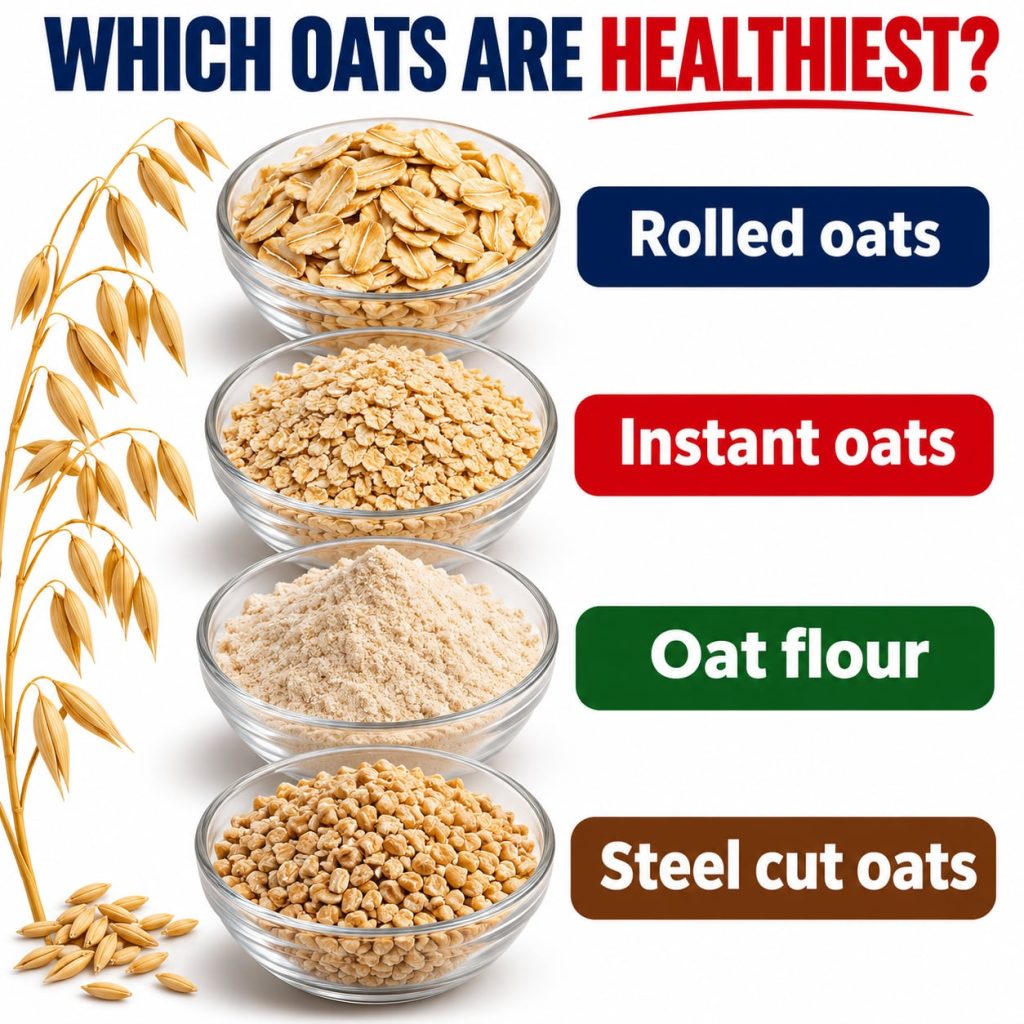
Instant oats are steamed, rolled very thin, and often pre-cooked. They cook in about a minute and are convenient for busy mornings. Because they are processed more finely, they may be digested somewhat faster than less processed varieties.
Rolled Oats
Rolled oats, sometimes called old-fashioned oats, are steamed and flattened but keep more of their structure. They cook in a few minutes and work well for overnight oats, baking, and everyday porridge.
Steel-Cut Oats
Steel-cut oats are whole oat groats chopped into small pieces. They take longer to cook but offer a chewy, hearty texture. Their slower digestion may help you feel satisfied for longer.
Which Oats Fit Your Routine?
-
Choose instant oats when time is very limited and you want a quick breakfast.
-
Choose rolled oats for a balance of convenience and texture, ideal for overnight oats or baking.
-
Choose steel-cut oats when you have more time and prefer a hearty, slow-cooking bowl.
Tips for Choosing Healthier Oats
-
Check the label for added sugars, flavorings, and sweetened packets.
-
Choose plain oats and add your own fruit, nuts, or seeds for natural sweetness.
-
Store oats in a cool, dry place in an airtight container to keep them fresh.
Final Thoughts
No single type of oats is right for everyone. The best choice is the one you enjoy and can easily fit into your daily routine. Consider keeping a couple of varieties on hand so you can match your breakfast to your schedule.
This article is for general information only and is not a substitute for advice from a healthcare professional.