Planning a vegetable garden is exciting, but a few common placement mistakes can quietly hold back your harvest. Some vegetables simply do not get along in the same bed. They may compete for nutrients, attract the same pests, or block each other’s sunlight and airflow. The good news is that companion planting is easy to learn, and a little planning goes a long way.
Why Companion Planting Matters
Companion planting means grouping plants so they support one another. Good partners can share space, deter certain insects, or make better use of soil and light. Poor partners, on the other hand, can stunt growth, reduce yields, or invite disease. Understanding these relationships helps you build a healthier garden from the start.
Common Vegetable Pairs to Keep Apart
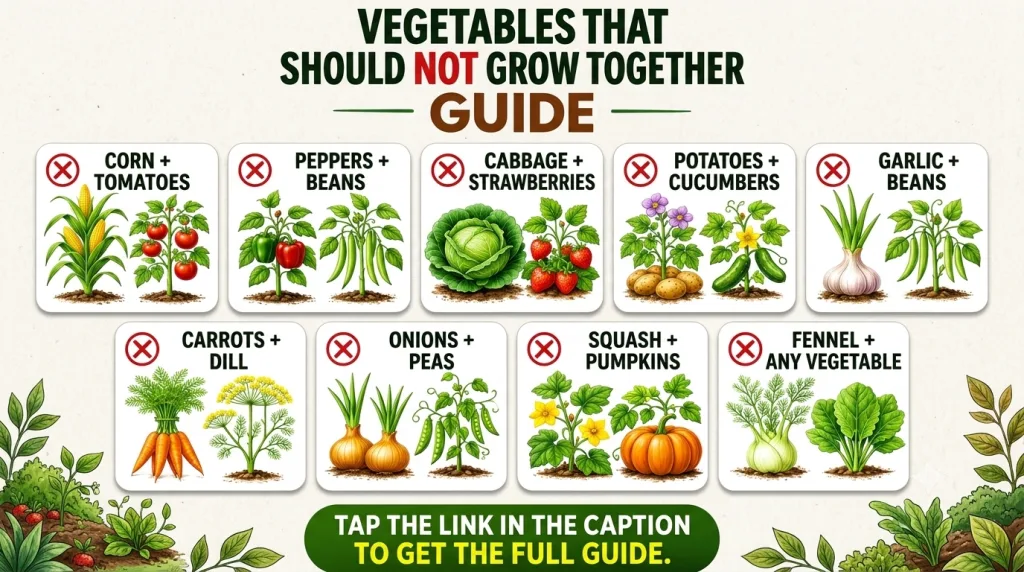
While every garden is different, several combinations are frequently recommended to be planted in separate beds or containers:
- Potatoes and tomatoes: Both belong to the nightshade family and can share susceptibility to blight, so spacing them apart reduces the risk of spreading disease.
- Onions and beans or peas: Alliums can slow the growth of legumes, which often need more room and softer conditions to thrive.
- Carrots and dill: Dill can attract pests and cross-pollinate with carrots, sometimes affecting flavor and root development.
- Cucumbers and aromatic herbs such as sage: Strong-scented herbs may stunt cucumber growth when planted too closely.
Planning Your Layout Step by Step
- Sketch your garden beds and note sun exposure, drainage, and available space.
- Group plants by their growing needs, such as heavy feeders, light feeders, and root crops.
- Place known compatible partners together, like tomatoes with basil or carrots with onions in separate rows.
- Leave enough spacing for airflow, which helps prevent fungal problems in humid weather.
- Rotate crops each season to protect your soil and reduce pest buildup.
Tips for Healthier Vegetables
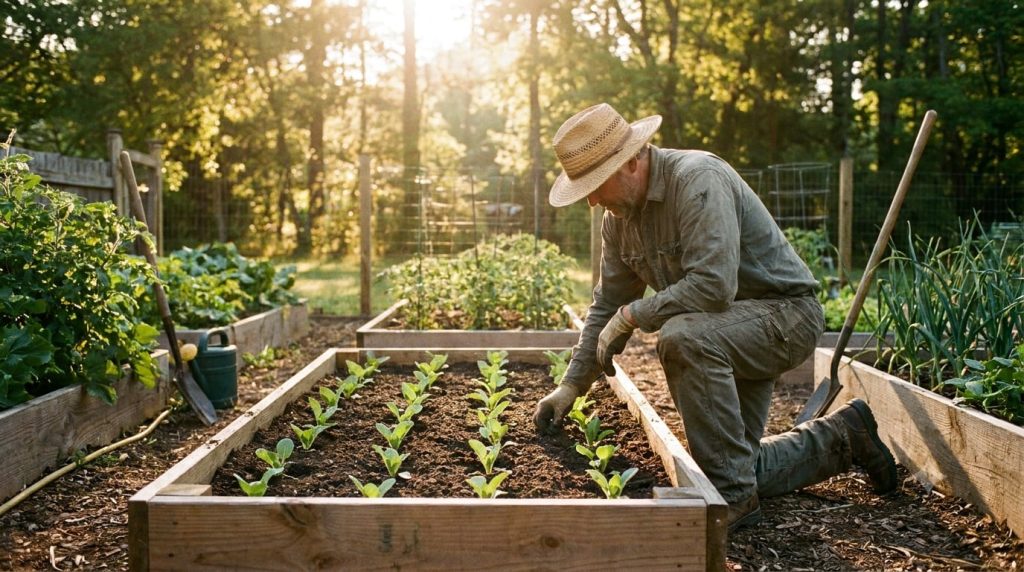
Good planning is only part of the picture. Healthy soil, consistent watering, and regular checks for pests all support strong growth. Mulching helps retain moisture, while hand-picking pests early can prevent larger problems. Keeping a simple garden journal will also show you which combinations worked well and which ones you may want to change next season.
Final Thoughts
Avoiding a few common vegetable pairings is one of the simplest ways to improve your garden. Start with a clear plan, group your plants thoughtfully, and observe how they grow. With a little practice, your beds will become more productive, more beautiful, and more enjoyable to care for.