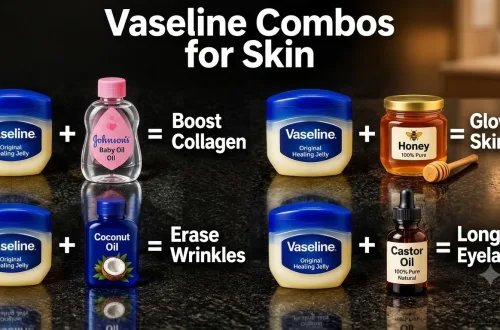
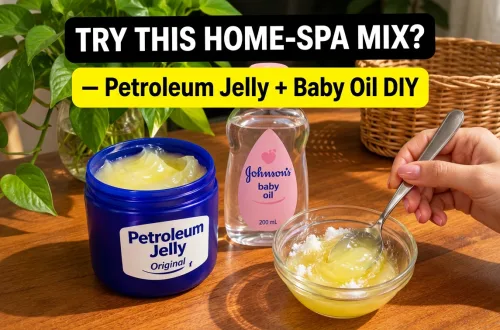
Petroleum jelly is one of those bathroom staples that quietly earns a spot in many beauty routines. It is affordable, easy to find, and well known for one simple job: locking moisture in. If you have been curious about DIY beauty hacks that use it, this guide explains what it can do, what it cannot do, and how to try it safely at home.
What Petroleum Jelly Actually Does for Your Skin
Petroleum jelly is an occlusive, which means it forms a thin protective layer on the surface of your skin. That layer slows down water loss, so skin feels softer and stays comfortable for longer. It works well on dry patches, chapped lips, rough heels, and tired skin around the eyes after a long day.
It does not build collagen or change the structure of your skin. Any youthful look you notice usually comes from better hydration, because well-moisturized skin can make fine lines appear softer and smoother.
Why Viral Transformation Claims Need a Reality Check
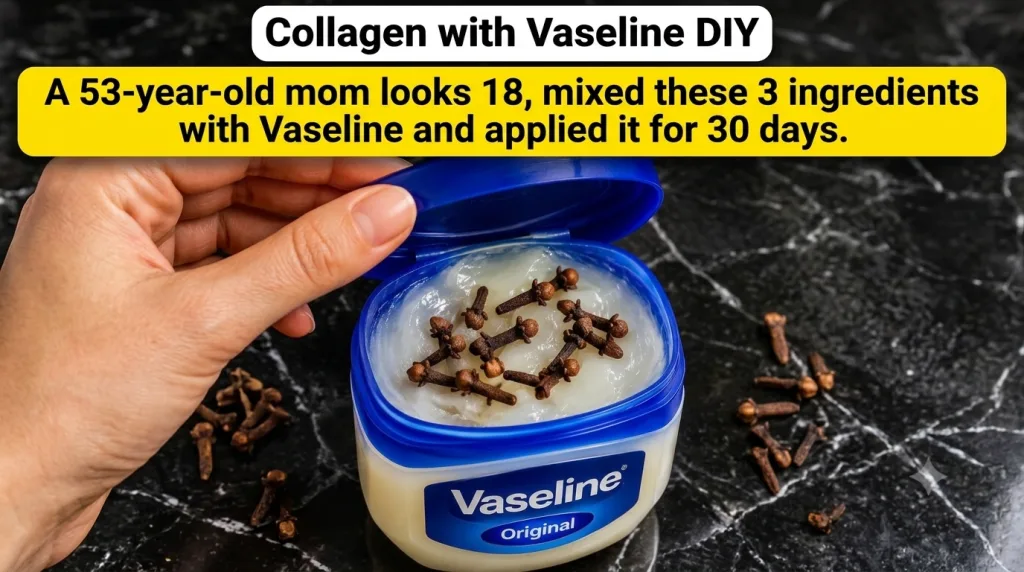
You may have come across social posts promising dramatic results in just a month from a mix of household ingredients and petroleum jelly. These stories are catchy, but there is no reliable evidence that a homemade blend reverses aging or boosts collagen. Lighting, makeup, filters, and camera angles can also change how skin looks in photos, so it is smart to read before-and-after claims with a healthy dose of skepticism.
A Gentle Petroleum Jelly Routine to Try
- Cleanse your face with a mild, fragrance-free cleanser and pat your skin dry.
- Apply your usual serum or moisturizer while your skin is still slightly damp.
- Warm a small pea-sized amount of plain petroleum jelly between your fingertips.
- Press it gently over dry areas such as cheeks, elbows, or lips, and avoid active breakouts.
- Use it as a night step, then wipe off any excess with a soft tissue in the morning.

Why Skip the Cloves
Some DIY posts add whole cloves or clove oil to petroleum jelly. Clove contains eugenol, a strong compound that can irritate or sensitize delicate skin. Whole spices can also introduce bacteria when they sit in a product you keep for days. For a safer choice, stick with plain petroleum jelly or a fragrance-free moisturizer you already trust.
Safety Tips Before You Start
- Do a patch test on a small area of skin for 24 hours before using a new mix.
- Avoid applying petroleum jelly over open cuts, burns, or irritated skin.
- Use clean hands or a clean spatula to keep your jar fresh.
- Pause if you notice redness, itching, or stinging, and rinse with lukewarm water.
- Talk with a dermatologist if you have a skin condition or specific concerns.
The Bottom Line
Petroleum jelly can be a simple, budget-friendly way to lock in moisture and keep your skin feeling comfortable. It is best used as a supportive step in a steady routine that includes gentle cleansing, daily sunscreen, and a healthy lifestyle. Skip the dramatic promises and focus on consistent, practical habits that suit your skin. Have you tried a petroleum jelly routine before? Share your experience in the comments and tell us what worked for you!