Ever wonder how to build a truly satisfying plate without the guesswork? You are not alone. Many people stand in the kitchen wondering how much rice to add, whether chicken is enough, or if a drizzle of olive oil counts. The good news is that a balanced meal does not need complicated math. With a few simple habits, you can create plates that keep your energy steady and help you feel full for longer.
Why Balancing Macronutrients Matters
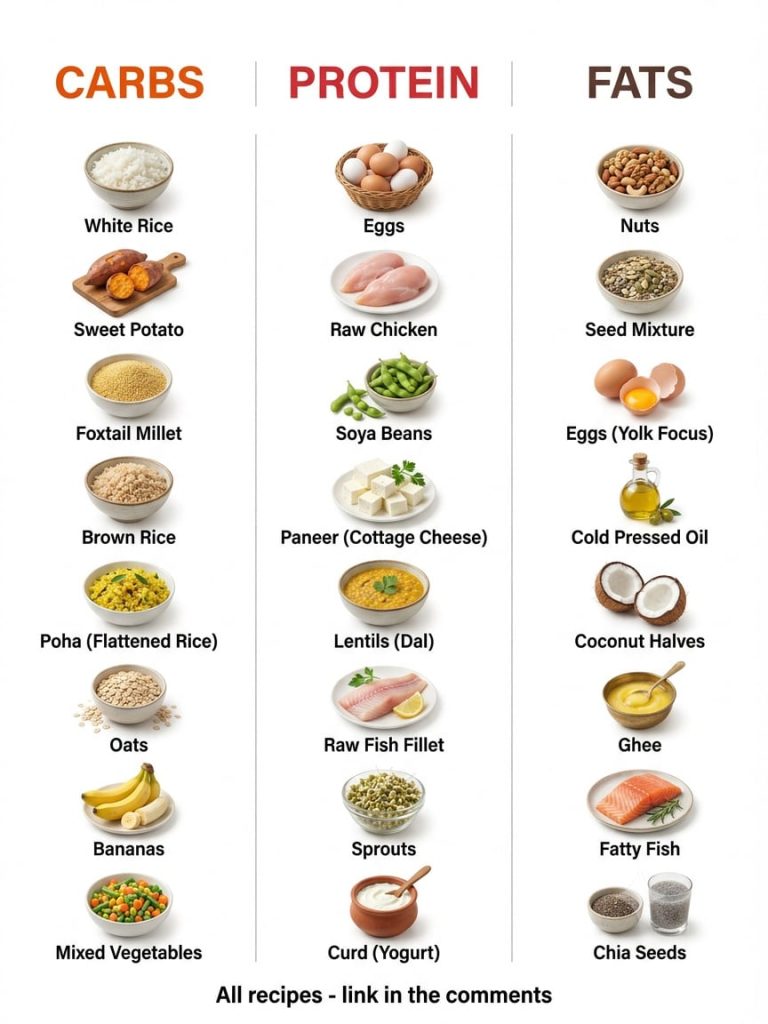
Macronutrients are the three main nutrients your body uses for energy: carbohydrates, proteins, and fats. Each one plays a different role. Carbohydrates are a primary fuel source, protein supports muscles and helps you feel satisfied, and healthy fats support digestion and help you absorb certain vitamins. When one group is missing from a meal, you may find yourself hungry again sooner or reaching for snacks you did not plan.
Balance is the key idea here. Rather than cutting out entire food groups, think about how each meal brings these three components together in reasonable amounts.
A Simple Plate Method You Can Use Today
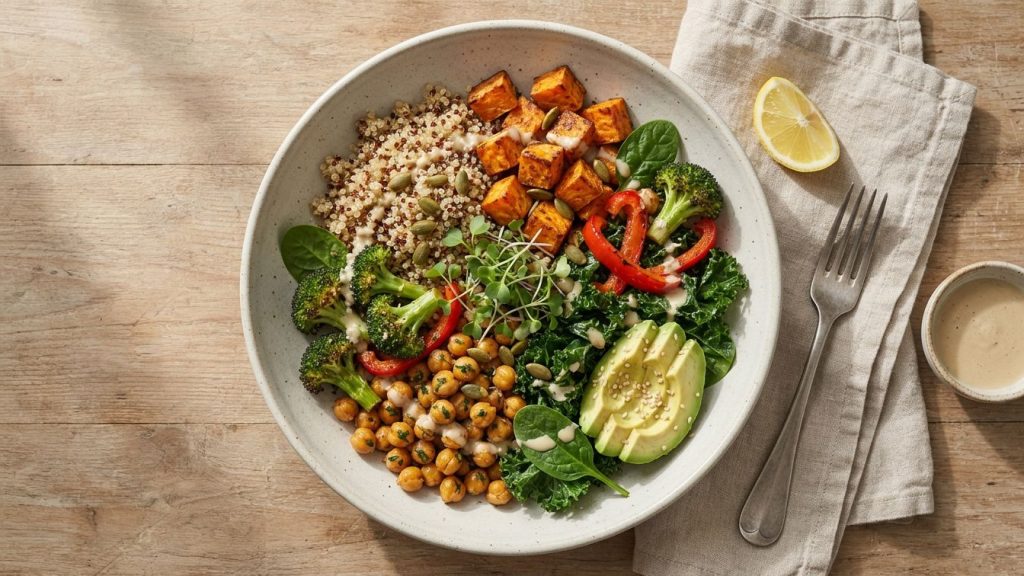
A visual approach often works better than counting grams. Try this easy framework for lunch or dinner:
- Half the plate: non-starchy vegetables such as leafy greens, peppers, broccoli, or cucumbers.
- One quarter: a protein source such as eggs, beans, lentils, fish, tofu, or lean poultry.
- One quarter: a complex carbohydrate such as oats, quinoa, sweet potato, brown rice, or whole grain bread.
- A small thumb-sized portion: a healthy fat such as avocado, olive oil, nuts, seeds, or nut butter.
This structure is flexible. You can swap ingredients based on what you already have in your pantry or fridge, which makes it practical for busy weeknights.
Easy Combinations to Try
If you are looking for inspiration, here are a few combinations that follow the same pattern:
- Scrambled eggs with spinach, whole grain toast, and sliced avocado.
- Lentil salad with roasted carrots, quinoa, and a spoonful of pumpkin seeds.
- Baked salmon with steamed broccoli, roasted sweet potato, and a light olive oil dressing.
- Tofu stir-fry with bell peppers, brown rice, and a small handful of cashews.
Tips for Staying Consistent
Building balanced plates becomes easier with a few routines. Prepare a batch of grains and roasted vegetables at the start of the week, keep a few protein options ready in the refrigerator, and store nuts or seeds in small containers for quick additions. Listening to your hunger and fullness cues also helps, since portion needs vary from person to person based on age, activity level, and personal preference.
Hydration and regular movement complement good meals too. A glass of water with your lunch and a short walk afterward are simple habits that support overall daily wellness.
Finding Your Own Go-To Combination
Many people discover that a few favorite combinations become their everyday routine. Try one or two new pairings each week and notice how your energy and appetite respond. Over time, you will develop a personal plate style that feels satisfying, enjoyable, and easy to maintain.
This article is for general educational purposes and is not a substitute for personalized advice from a qualified healthcare professional. If you have specific dietary needs or health conditions, consider speaking with your provider before making major changes.