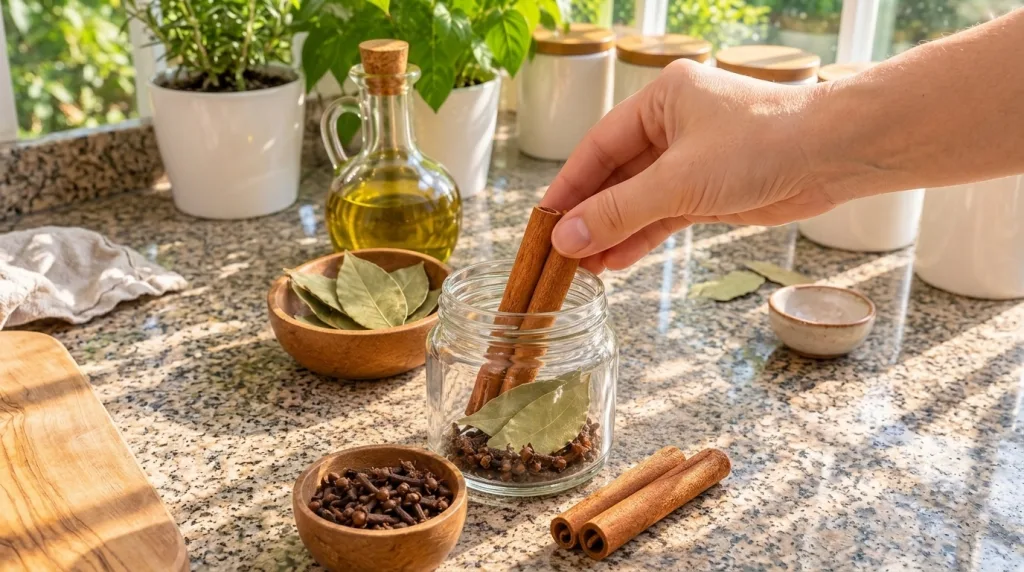
There is something special about the smell of whole spices filling the kitchen. Cinnamon sticks, bay leaves, and cloves can turn a simple meal into something warm and memorable. For anyone who cooks at home, these pantry staples are among the most useful ingredients you can keep on hand.
Why Whole Spices Matter
Whole spices keep their aroma longer than pre-ground versions. When you grind or break them just before use, you get a fresher and more layered flavor. This makes a noticeable difference in soups, stews, rice dishes, and baked goods.
Whole spices also give you control. You can add a small piece of cinnamon stick to a pot of oatmeal or a single clove to a simmering sauce without overpowering the dish. Over time, you learn how much each spice contributes to the balance of your recipes.
Getting to Know Three Everyday Favorites
Cinnamon
Cinnamon adds natural sweetness and warmth. It works well in breakfast porridge, roasted vegetables such as carrots or squash, and homemade fruit compotes. A little goes a long way, so start small and adjust to your taste.
Bay Leaves
Bay leaves offer a subtle, herbal depth. Add one or two to soups, bean dishes, or tomato sauces while they simmer, then remove them before serving. They release their flavor slowly, which makes them ideal for long cooking times.
Cloves
Cloves are strong and aromatic, so they are best used sparingly. A few whole cloves can flavor a broth, a poached fruit dish, or a spiced tea. Always remove them before eating because they are hard and can be unpleasant to bite into.
Pairing Spices With Healthy Ingredients
Spices can help you cook with less salt and less added fat. Flavor from herbs and spices lets you build satisfying meals with vegetables, whole grains, legumes, and lean proteins. Olive oil works well as a base for many of these combinations, especially when you warm the spices gently in the oil before adding other ingredients.
- Simmer bay leaves in lentil or bean soup for depth.
- Stir cinnamon into oats, yogurt, or smoothies for natural sweetness.
- Infuse olive oil with a cinnamon stick for a fragrant drizzle over roasted vegetables.
- Add a clove or two to a pot of homemade tea for a cozy finish.
Tips for Storing and Using Whole Spices
Keep whole spices in airtight glass jars away from heat and direct sunlight. Label each jar with the purchase date so you can use older stock first. Whole spices generally keep their best flavor for a long time when stored properly, and a quick sniff test will tell you when they have faded.
Start Your Own Kitchen Essentials List
Building a well-stocked spice shelf does not require a large budget. Begin with cinnamon, bay leaves, and cloves, then add other favorites as you explore new recipes. Your cooking will become more flavorful, and you will find it easier to create healthy meals that feel satisfying.
What is your go-to spice when you are making a comforting homemade meal? Share your favorite in the comments below and let us know how you use it in your everyday cooking.