Most people peel carrots, potatoes, and beets without a second thought. The problem is that the thin layer just under the skin often holds a meaningful share of the fiber and natural color compounds. The good news is that you do not need to stop peeling everything. You only need to know which peels to keep, how to prepare them, and which ones to skip.

What Root Vegetable Peel Is
The peel is the outermost protective layer of a root. It is thin, usually fibrous, and sits close to the flesh, where many natural compounds are concentrated. Peel is not a miracle ingredient, but it is a practical, low-cost part of the vegetable that most kitchens throw away.
Which Peels Are Worth Keeping
| Vegetable | Peel Status | Best Preparation | Notes |
|---|---|---|---|
| Carrot | Thin and tender | Scrub well, cook or roast | Peel removes bitter outer dirt, so scrub first |
| Potato | Edible when firm and green free | Roast, bake, or fry as chips | Skip green or sprouting skins |
| Sweet potato | Thin and mild | Roast with the skin on | Good for crisps |
| Beet | Thicker and can stain | Use in stock or roast | Wear gloves when handling |
| Ginger | Very thin | Scrape with a spoon | Use only when fresh and firm |
Quick Tip: Organic produce is the simplest choice for eating skins. Conventional root vegetables are often waxed or treated, so a good scrub with a brush is essential, and some people prefer to peel them.
Ingredients for Root Peel Crisps
- 2 cups clean root vegetable peels (carrot, sweet potato, or potato)
- 1 tablespoon olive oil
- 1/4 teaspoon fine sea salt
- 1/4 teaspoon smoked paprika (optional)
Step-by-Step Method
- Scrub the vegetables under cool running water with a vegetable brush until no soil remains.
- Pat the peels completely dry with a clean towel. Moisture is the main reason crisps turn soft.
- Toss the peels with oil, salt, and paprika in a bowl until lightly coated.
- Spread them in a single layer on a baking sheet lined with parchment paper.
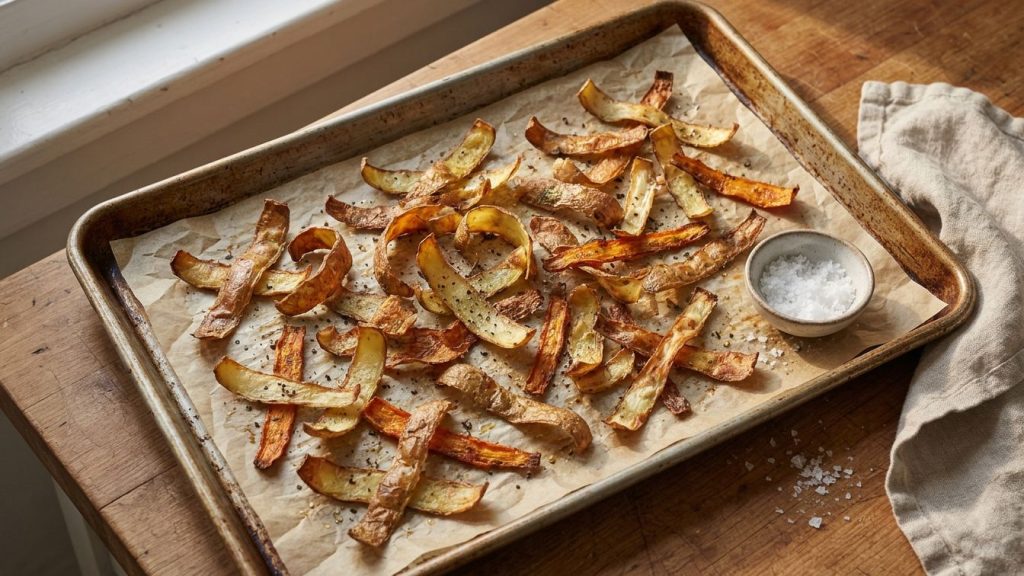
- Roast at 200 C (about 400 F) for 12 to 18 minutes, flipping once, until edges are golden and crisp.
- Cool for 5 minutes on the tray. They firm up as they cool.
How to Use Them
Eat the chips as a snack, crumble them over soup, or add them to a grain bowl for crunch. Peels can also be simmered into a vegetable broth, which is a practical way to use scraps. Simmer for 30 to 45 minutes, strain, and refrigerate.
How Often to Use Them
Root peel crisps work well as an occasional snack or side dish, a few times a week. Because peels add fiber, increase them gradually if your digestion is not used to extra fiber.
How to Choose and Buy Good Roots
Look for firm vegetables with smooth, unbroken skins, no soft spots, and no green tint on potatoes. Buy loose produce when possible so you can inspect each piece before taking it home.
Storage
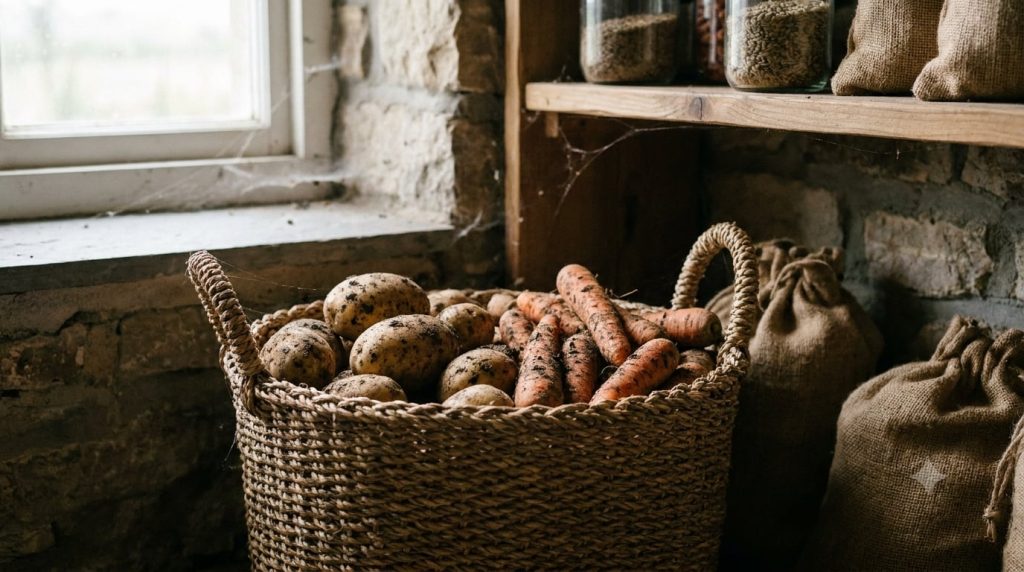
Keep unwashed carrots, beets, and potatoes in a cool, dark, ventilated place. Do not wash them until you are ready to cook, because moisture speeds up spoilage. Cooked peel chips stay crisp in an airtight container for about 2 days at room temperature.
Practical Tips
Did You Know? Thin peels cook faster than the flesh, so cut them into similar sizes for even crisping. Save clean peels in a freezer bag and add them to stock when you have enough.
Common Mistakes
- Skipping the scrub and eating dirt along with the skin.
- Using potatoes with green patches or sprouts. Green areas contain higher levels of solanine, so cut them away deeply or discard the potato.
- Roasting wet peels, which steam instead of crisping.
- Overcrowding the tray, which keeps peels soft.
- Keeping washed roots in a sealed bag, which encourages mold.
Cautions and Who Should Avoid This
People with specific digestive conditions, kidney concerns, or a history of food sensitivities should check with a qualified health professional before increasing fiber or beet intake. Avoid peels from sprouted, green, damaged, or unknown-source produce. If you notice bloating or discomfort, scale back and speak with a doctor if symptoms continue.
Quick Summary
- Best preparation: scrub well, dry completely, then roast or simmer.
- Best use: crisp snacks, soup toppings, or homemade broth.
- Storage: keep unwashed roots cool and dry; store crisps airtight for up to 2 days.
- When to use: as an easy way to reduce kitchen waste and add texture.
- What to avoid: green or sprouted potato skins, dirty or damaged peels, and wet peels in the oven.
Frequently Asked Questions
Can I eat carrot peel?
Yes, if the carrot is well scrubbed. Organic carrots are the simplest choice for eating the skin raw or cooked.
Should I use fresh or dried peels?
Fresh peels work best for crisps because they are easy to dry before roasting. Dried peels are better for simmering into broth or powdered seasonings.
How long do peel chips last?
Store them airtight at room temperature for about 2 days. If they soften, re-crisp them in a 180 C (about 350 F) oven for 3 to 5 minutes.
Can I refrigerate or freeze peels?
Raw peels can be refrigerated in a sealed bag for a few days. For longer storage, freeze clean, dry peels for up to 3 months and add them directly to stock.
Can I reuse the leaves or peels from beets?
Beet peels are best used in stock or roasted, since they can stain. Beet greens are a separate ingredient and should be cooked in the same way as other leafy greens.
When should I avoid peels?
Avoid peels that are green, sprouted, moldy, or from unknown sources, and be cautious if you have digestive or kidney concerns.
Conclusion
Root vegetable peels are a practical way to get more from the produce you already buy. Scrub, dry, and roast them for a crisp snack, or save them for homemade broth. Start with carrots or sweet potatoes, then try potatoes once you are comfortable with the process.
Read more: how to make a simple vegetable broth from kitchen scraps.
See the full guide: how to store root vegetables so they stay firm longer.
Related remedy: a homemade vegetable seasoning blend using dried peels.