Activated charcoal powder has become a favorite ingredient in home beauty circles, and it is easy to see why. It is affordable, widely available, and simple to work into a relaxed self-care routine. In this guide, you will learn what charcoal powder does for the skin, how to prepare a basic DIY mask, and how to use it safely so you get the most from it.
What Is Activated Charcoal Powder?
Activated charcoal is a fine black powder made by heating carbon-rich materials such as coconut shells or wood at high temperatures. The process creates a porous texture that many people use in skincare because it can help bind to surface oil, dust, and impurities on the skin.
For DIY beauty, look for a food-grade or cosmetic-grade powder from a reputable supplier. Pure powder with no added fragrance or colorants is usually the best choice for a gentle home mask.
Benefits People Often Look For
- A deep-cleansing feel that helps refresh oily or congested areas
- An affordable alternative to some store-bought detox masks
- A simple ingredient you can mix with everyday pantry items
- A fun, hands-on part of a weekly self-care ritual
Results vary from person to person, and charcoal is best viewed as a occasional treatment rather than a miracle solution.
Simple Charcoal Mask Recipe
This basic recipe makes one application and is a good starting point for most skin types.
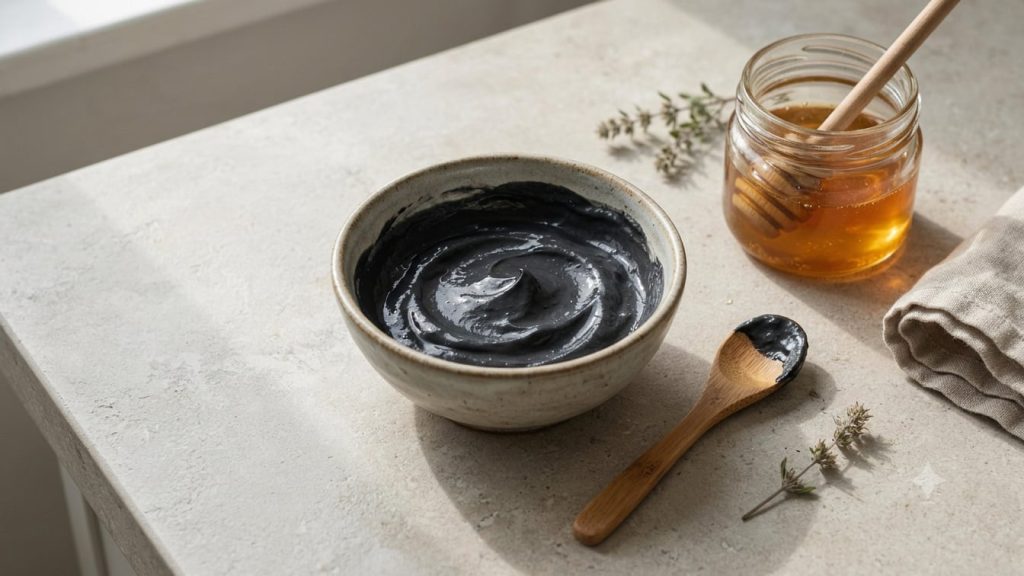
- Add 1 teaspoon of activated charcoal powder to a small clean glass or ceramic bowl.
- Stir in 1 teaspoon of raw honey, which adds moisture and a soft, smooth texture.
- Slowly add 1 to 2 teaspoons of filtered water or aloe vera gel, mixing until you have a smooth paste that is easy to spread.
- Cleanse your face with a gentle wash and pat it dry.
- Apply a thin, even layer to clean skin, avoiding the delicate eye area and the lips.
- Leave it on for 5 to 10 minutes, or until it feels slightly tight but not uncomfortable.
- Rinse thoroughly with lukewarm water and follow with your usual moisturizer.
Tips for Using Charcoal Safely
- Do a patch test on a small area of skin 24 hours before your first full application.
- Limit use to once or twice a week, especially if your skin feels dry or sensitive.
- Stop using the mask if you notice redness, itching, or irritation.
- Keep the powder away from your sink and tub, since it can stain surfaces and grout.
Who Should Be Careful
If you have very sensitive, broken, or inflamed skin, or if you are managing a skin condition, speak with a dermatologist before adding charcoal to your routine. Charcoal can be drying, so people with dry skin may prefer a shorter contact time or a less frequent schedule.
Building a Calm, Consistent Routine
Charcoal works best as one part of a balanced routine that includes gentle cleansing, hydration, sun protection, and good sleep. Keep notes on how your skin responds, and adjust the recipe to suit your needs. A little patience and consistency will usually do more than any single treatment.
Ready to try your own charcoal mask? Start with the simple recipe above, test it on a small area first, and enjoy the calm ritual of caring for your skin at home.