Most people eat the berries and throw the leaves away, yet the leaves are what herbalists have brewed for generations. The difference between a smooth, pleasant cup and a bitter, grassy one usually comes down to three things: when you harvest, how you dry, and how long you steep. This guide walks you through each step.
What Is Raspberry Leaf Tea?
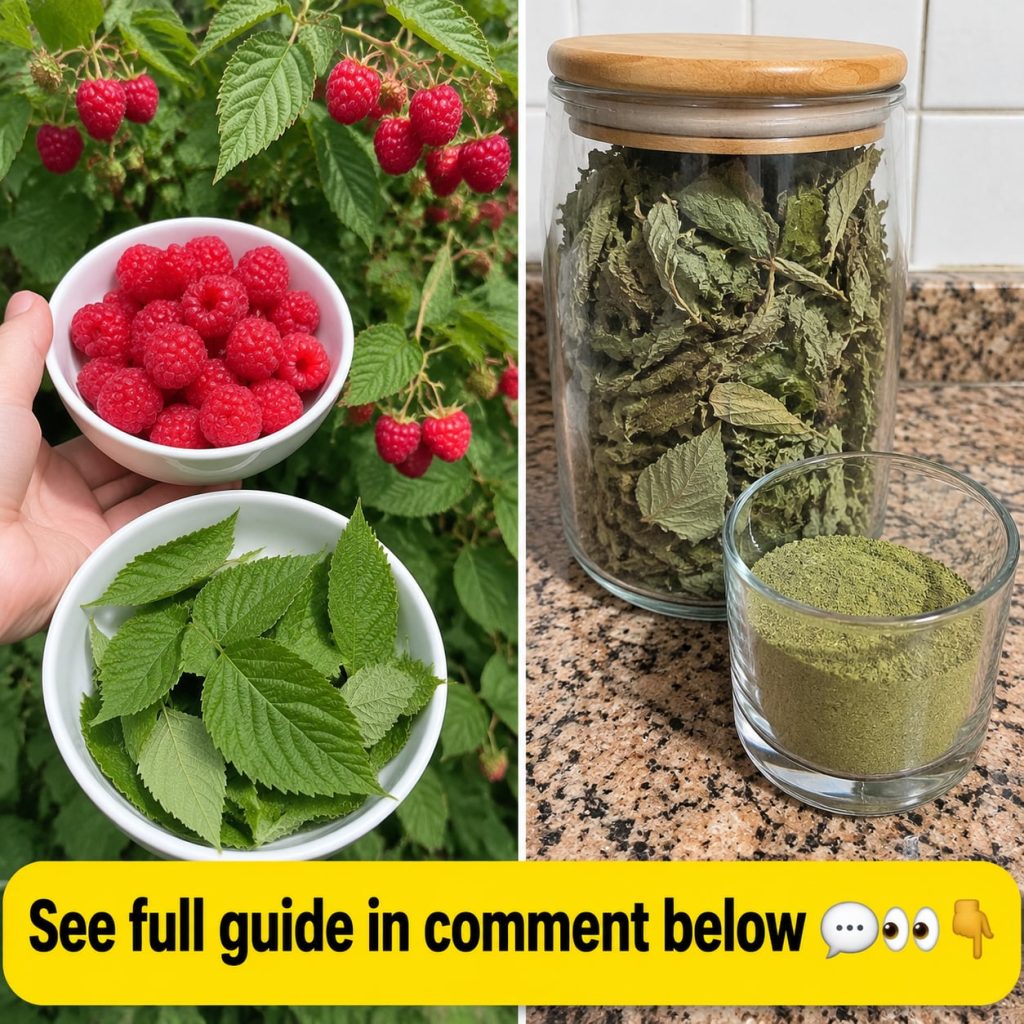
Raspberry leaf tea is an herbal infusion made from dried leaves of the raspberry plant (Rubus idaeus). It has a mild, slightly earthy flavor with light fruity notes. It is caffeine-free and is typically served as a hot tea or used as a base for other herbal blends.
Ingredients
- Fresh or dried raspberry leaves, young and undamaged
- Filtered water
- Optional: a teaspoon of dried mint or a slice of lemon for flavor
Approximate Measurements
For one cup (about 240 ml), use roughly 1 to 2 teaspoons of dried leaves, or about 1 tablespoon of finely chopped fresh leaves. Start with 1 teaspoon if you are new to the flavor.
Formula and Recipe
Ratio: 1 teaspoon dried leaves to 1 cup of water. Makes one cup. Multiply for a larger batch and store the extra cooled tea in the refrigerator for up to 24 hours.
Step-by-Step Method
- Bring fresh water to a gentle boil, then let it sit for 30 seconds to cool slightly.
- Place the leaves in a teapot or cup with a strainer.
- Pour the water over the leaves and cover the vessel to trap the aromatic oils.
- Steep for 5 to 10 minutes. Going beyond 10 minutes often increases bitterness.
- Strain, sweeten lightly if needed, and drink while warm.
How to Use It
Drink one to two cups a day as a simple herbal habit. Many people prefer it iced in warm weather by brewing a double-strength batch and chilling it. You can also blend it with peppermint or chamomile for a different flavor profile.
How Often to Use It
Most people keep their use moderate, such as one cup daily, and avoid making it their only drink. Pay attention to how you feel and stop if you notice discomfort.
Fresh vs Dried Leaves
| Feature | Fresh Leaves | Dried Leaves |
|---|---|---|
| Flavor | Light, grassy, bright | Earthy, mellow, more concentrated |
| Measurement | About 1 tablespoon chopped | About 1 teaspoon |
| Shelf life | Use within 2 to 3 days | Up to 12 months in a sealed jar |
| Best for | Quick same-day tea | Batch storage and daily use |
How to Choose and Buy Leaves
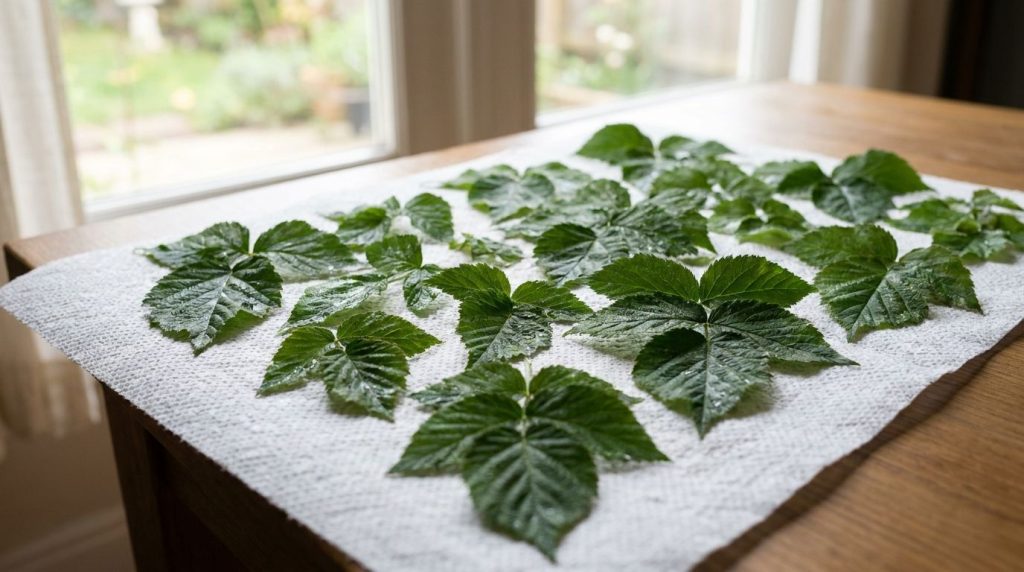
If you grow your own, harvest young, healthy leaves in the morning after the dew has dried. If you buy dried leaves, look for uniform green-gray color, a pleasant herbal smell, and no visible mold or dust. Choose products from sources that state they are pesticide-free.
Storage
Store dried leaves in an airtight glass jar away from light and heat. Keep the jar in a dry cupboard. Never store leaves in a wet or humid container, because moisture encourages mold.
Practical Tips
Quick Tip: Drying leaves in a dehydrator at low heat, around 35 to 40 degrees Celsius, preserves more color and flavor than air-drying in direct sun.
Did You Know? Leaves harvested before the plant flowers tend to have a milder taste.
Common Mistakes
- Using damaged, yellowed, or insect-chewed leaves
- Boiling the leaves instead of pouring hot water over them
- Steeping too long, which makes the tea harsh
- Storing leaves in a damp jar, which leads to mold
- Harvesting from plants sprayed with chemicals
- Skipping the drying step and storing fresh leaves for weeks
Cautions and Who Should Avoid It
Raspberry leaf tea is traditionally used by many people, but it is not suitable for everyone. Pregnant women should speak with a healthcare provider before drinking it, as opinions on its use during pregnancy vary. People with known allergies to rose family plants, those with chronic health conditions, and anyone taking medication should check with a professional first. Stop use if you notice any unusual reaction.
Quick Summary
- Best preparation: Dried leaves steeped in hot water for 5 to 10 minutes
- Best use case: A daily caffeine-free herbal cup
- Storage: Airtight glass jar, cool and dry, up to 12 months
- When to use: Morning or afternoon, one to two cups daily
- What to avoid: Damp storage, sprayed plants, over-steeping, and use without checking medical guidance when relevant
Frequently Asked Questions
Can I use fresh or dried leaves?
Yes. Fresh leaves give a lighter flavor, while dried leaves are more concentrated and easier to store.
How long does dried raspberry leaf last?
When stored in a sealed, dry jar away from light, dried leaves typically keep their best quality for up to 12 months.
Can I refrigerate brewed tea?
Yes. Cooled tea can be refrigerated for up to 24 hours in a covered container.
Can I freeze the leaves?
You can freeze fresh leaves in a sealed bag, but they may darken. Drying is the better preservation method.
Can I reuse the leaves?
A second steep is possible but weaker. Most people get the best flavor from a single fresh steep.
Which part of the plant is best?
Young, mature, undamaged leaves are generally preferred. Berries are eaten fresh, while leaves are used for tea.
When should I avoid it?
Avoid it if you are pregnant without medical advice, have known plant allergies, or take medication that may interact with herbs.
Conclusion
Raspberry leaf tea is a simple, practical way to make use of a plant most people overlook. With clean harvesting, proper drying, and a gentle steep, you can enjoy a consistent cup at home.
Read more: Herbal Tea Basics for Beginners
You may also like: How to Dry Herbs at Home Without a Dehydrator
See the full guide: Homemade Herbal Blends for Daily Routines