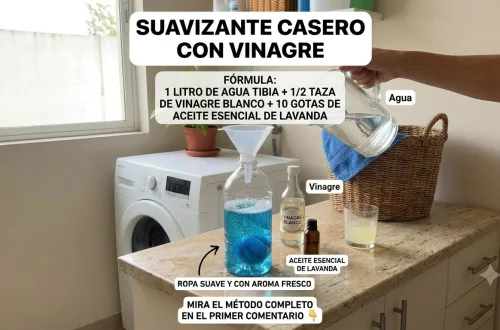
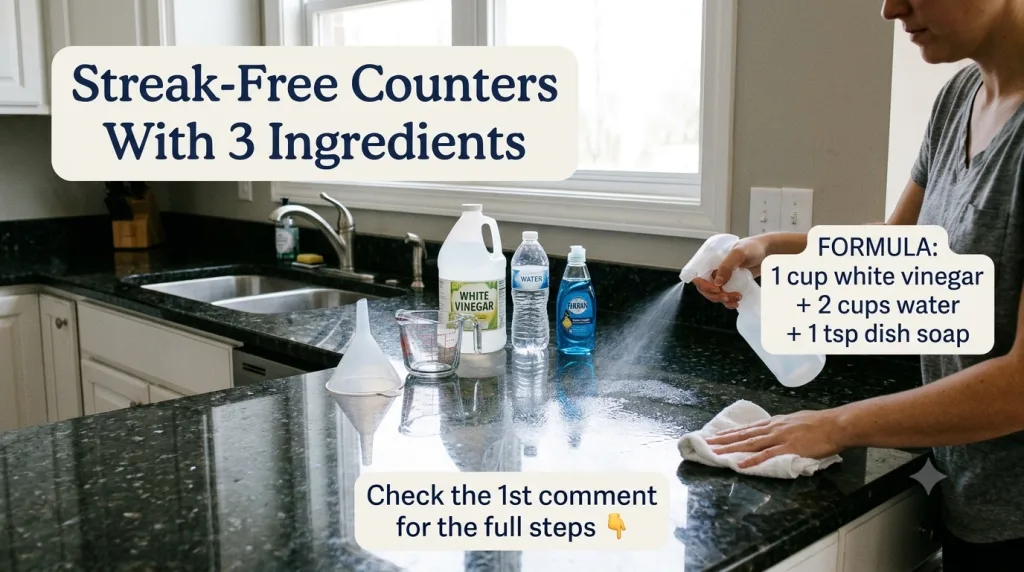
Pouring liquid into a narrow opening is one of those small kitchen tasks that goes wrong more often than it should. A splash on the counter, a sticky carton, or a pour that misses the opening entirely can turn a quick job into a cleanup. The pour shown in this clip looks smooth and controlled, and the setup behind it is a simple technique you can use at home: a clear pitcher, a clear funnel, and a container with a small spout.
Why a Funnel Makes the Difference
A funnel gives the liquid a guided path. Instead of trying to aim a heavy pitcher directly at a small opening, the funnel catches the stream and channels it down into the container. This reduces splashing, keeps the rim clean, and lets you pour at a slower, steadier rate. The clear funnel also lets you see the liquid level as it rises, which helps you avoid overfilling.
What You’ll Need
- A clear pitcher or measuring jug with a pouring lip
- A clear plastic funnel that fits the container opening snugly
- The container you are filling, fully empty and rinsed
- Your liquid, measured in advance
- A towel or paper towels for wiping up drips
- A tray or baking sheet to catch overflow
How to Set It Up
- Choose a clean, flat surface and lay a tray or towel underneath the container.
- Rinse the container and dry it completely so no water dilutes your liquid or affects the fit.
- Press the funnel firmly into the opening. If it wobbles, try a smaller funnel or stabilize the container with your non-pouring hand.
- Measure the liquid into the pitcher first, so you are not juggling a full pour and a measurement at the same time.
- Hold the pitcher close to the funnel, with the lip just above the funnel mouth, to reduce the drop height.
- Pour slowly and steadily. Stop before the container is full, and top it off after you check the level.
- Remove the funnel, wipe the rim, and close the container securely.
What to Expect
With a good funnel fit and a slow pour, most of the liquid should go where you intend. Some drips are normal, especially with thicker liquids, so keep a towel handy. Expect a bit of trial and error the first time, and plan for a little extra liquid to make up for what clings to the funnel.
Helpful Tips
- Use a funnel with a wide top and a narrow spout to match most bottle and carton openings.
- Pour in a steady stream rather than in one fast rush to prevent overflow.
- Clean the funnel right after use so residue does not dry and build up.
- Work over a sink or tray for messy liquids, so cleanup is quick.
Important Notes and Safety
- Only use food-grade containers for food and drink. Do not reuse milk or juice cartons for cleaning products, chemicals, or any non-food liquid.
- Label every container clearly with its contents and the date you filled it.
- Never mix household chemicals together, and do not store them in containers that could be mistaken for food.
- Keep funnels and containers that held cleaning or garden products separate from kitchen tools.
- If you are working with an unfamiliar liquid, test a small amount first and check the product label for handling and storage instructions.
- Store filled containers out of reach of children and pets, and keep them in a cool, dry place away from direct sunlight.