Are you ready to strengthen your lower body, boost your metabolism, and sculpt powerful legs? A comprehensive full leg workout is not just about aesthetics; it’s about building foundational strength, improving athletic performance, and supporting overall health. Your legs house some of the largest muscle groups in your body, and training them effectively can have a profound impact on your fitness journey.
In this guide, we’ll dive into the essential exercises that form the backbone of an ultimate full leg workout, helping you build muscle and effectively burn fat. Get ready to squat, press, lunge, and raise your way to a stronger, more capable you!
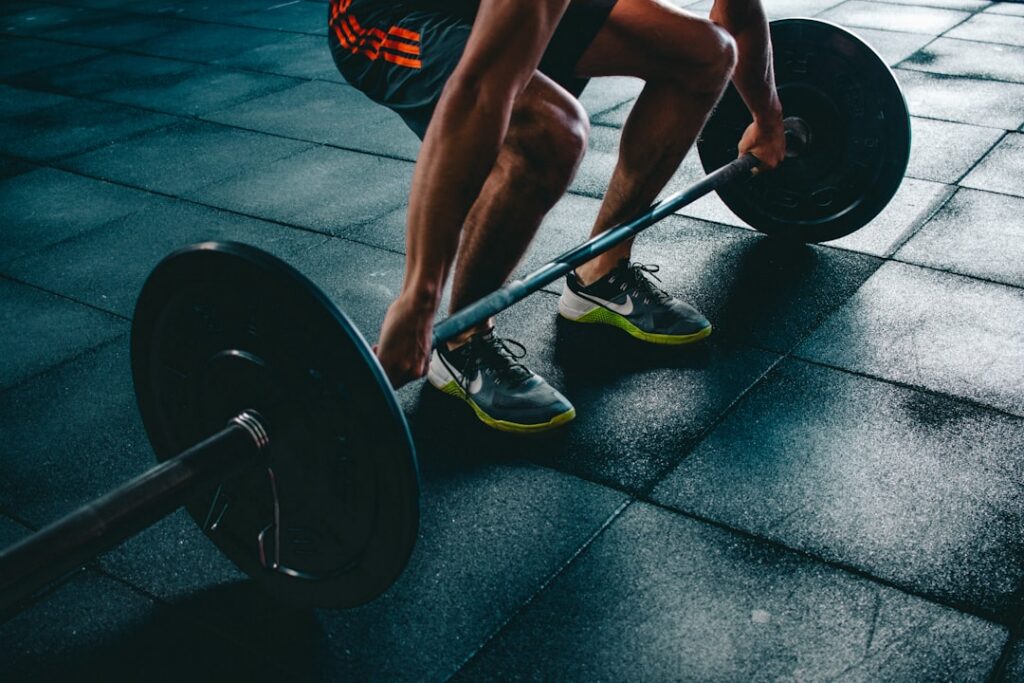 Mastering the squat is key to powerful legs and core strength.
Why a Full Leg Workout is a Game-Changer
Training your legs intensely offers a myriad of benefits that extend far beyond just muscular thighs. Here’s why you should prioritize your leg day:
- Increased Muscle Mass: Leg exercises engage large muscle groups like the quadriceps, hamstrings, and glutes, which can lead to significant muscle growth.
- Enhanced Fat Burning: Working these large muscles requires a lot of energy, boosting your metabolism and contributing to greater calorie expenditure, even at rest.
- Improved Athletic Performance: Strong legs are crucial for almost every sport and daily activity, from running and jumping to lifting and carrying.
- Better Balance and Stability: Many leg exercises are compound movements that also challenge your core and improve proprioception, leading to better balance and reduced risk of falls.
- Boosted Bone Density: Weight-bearing leg exercises help strengthen your bones, which is vital for long-term skeletal health.
Essential Exercises for Your Ultimate Leg Workout
To truly challenge your legs and achieve comprehensive development, incorporate a variety of movements that target different muscle groups. Here are some cornerstone exercises:
1. Squats (Barbell, Dumbbell, or Bodyweight)
The squat is often hailed as the king of all exercises, and for good reason. It’s a compound movement that works your quadriceps, hamstrings, glutes, and core.
- How to: Stand with feet shoulder-width apart, toes slightly out. Keeping your chest up and back straight, lower your hips as if sitting into a chair. Aim for your thighs to be parallel to the floor, or lower if comfortable and form allows. Drive through your heels to return to the starting position.
- Benefits: Builds overall lower body strength, improves hip mobility, and strengthens the core.
2. Leg Press
The leg press machine allows you to target your quads, hamstrings, and glutes with significant weight, often with less strain on your lower back compared to free-weight squats.
- How to: Sit on the leg press machine with your back flat against the pad. Place your feet shoulder-width apart on the platform. Release the safety, then push the platform away from you by extending your knees. Slowly lower the platform back towards you until your knees are at a 90-degree angle, or just before your glutes lift off the seat.
- Benefits: Excellent for building quadriceps strength and muscle mass, can be safer for those with back issues.
3. Lunges (Walking, Stationary, or Reverse)
Lunges are fantastic for working each leg independently, which helps address muscular imbalances and improves stability.
- How to: Stand with feet hip-width apart. Step forward with one leg, lowering your hips until both knees are bent at approximately a 90-degree angle. Ensure your front knee is directly over your ankle and your back knee hovers just above the floor. Push off your front foot to return to the start, or step forward into the next lunge for walking lunges.
- Benefits: Improves balance, works glutes and hamstrings, and enhances unilateral leg strength.
4. Calf Raises (Standing or Seated)
Don’t neglect your calves! Strong calves are important for ankle stability, powerful pushes, and aesthetic balance.
- How to: Stand with the balls of your feet on an elevated surface (like a step) or flat on the floor. Slowly raise your heels as high as possible, contracting your calf muscles. Hold briefly at the top, then slowly lower your heels below the starting point to get a good stretch.
- Benefits: Strengthens the gastrocnemius and soleus muscles, improving ankle power and stability.
Sample Full Leg Workout Routine
Here’s a practical routine you can adapt based on your fitness level. Remember to warm up for 5-10 minutes with light cardio and dynamic stretches before starting, and cool down with static stretches afterward.
- Barbell Squats: 3 sets of 8-12 repetitions
- Leg Press: 3 sets of 10-15 repetitions
- Walking Lunges: 3 sets of 10-12 repetitions per leg
- Standing Calf Raises: 3 sets of 15-20 repetitions
Adjust the weight or resistance to ensure the last few repetitions of each set are challenging but allow you to maintain good form. Rest for 60-90 seconds between sets.
Tips for Maximizing Your Leg Day
- Focus on Form: Proper technique is paramount to prevent injury and ensure you’re effectively targeting the right muscles. Start with lighter weights to perfect your form before increasing the load.
- Progressive Overload: To keep building muscle and strength, gradually increase the weight, repetitions, or sets over time.
- Fuel Your Body: A balanced diet rich in protein, complex carbohydrates, and healthy fats will support muscle repair and energy levels.
- Stay Hydrated: Water is crucial for performance and recovery.
- Prioritize Recovery: Adequate sleep and rest days are essential for muscle growth and preventing overtraining.
By consistently incorporating these exercises and tips into your routine, you’ll be well on your way to achieving powerful, sculpted legs that not only look great but also contribute significantly to your overall fitness and well-being.
Disclaimer: This article is intended for informational purposes only and does not provide medical advice. Always consult with a qualified healthcare professional or certified fitness trainer before starting any new exercise program, especially if you have pre-existing health conditions or concerns.