Every gardener runs into trouble sooner or later. Aphids gather on new growth, leaves start to yellow, and a row of seedlings suddenly looks thin. The good news is that many common garden problems can be handled with simple, organic tools you may already have at home. Think of this guide as a first aid kit for your garden: a set of gentle remedies you can reach for before turning to harsher options.
Why Start With Organic Remedies?
Organic remedies rely on natural ingredients and gentle methods to support plant health. They are often easier on beneficial insects, pets, and the soil ecosystem than broad-spectrum chemical products. They also tend to be inexpensive and simple to prepare. That said, natural does not always mean risk-free, so it is worth reading labels, testing new mixtures, and using each remedy as directed.
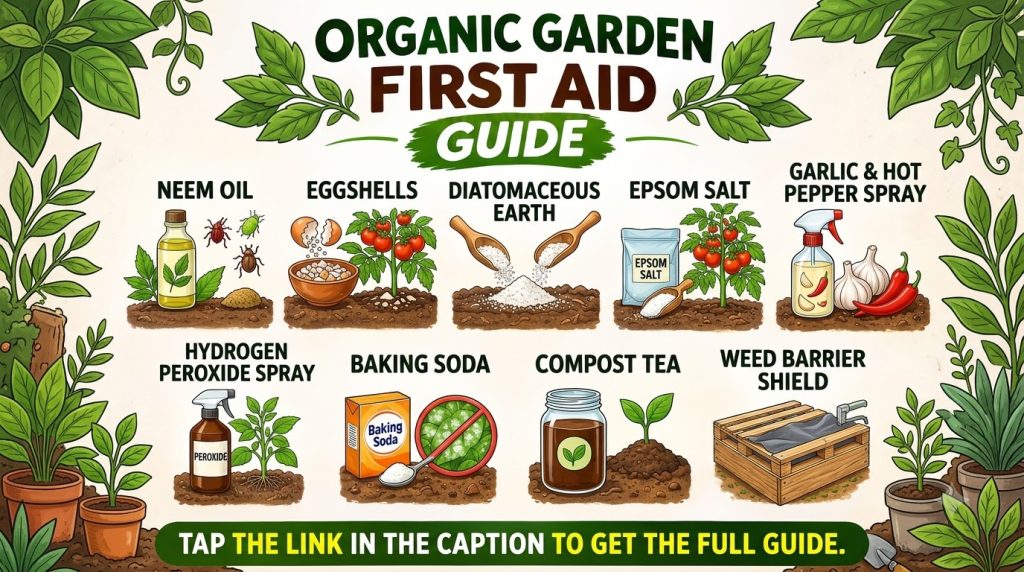
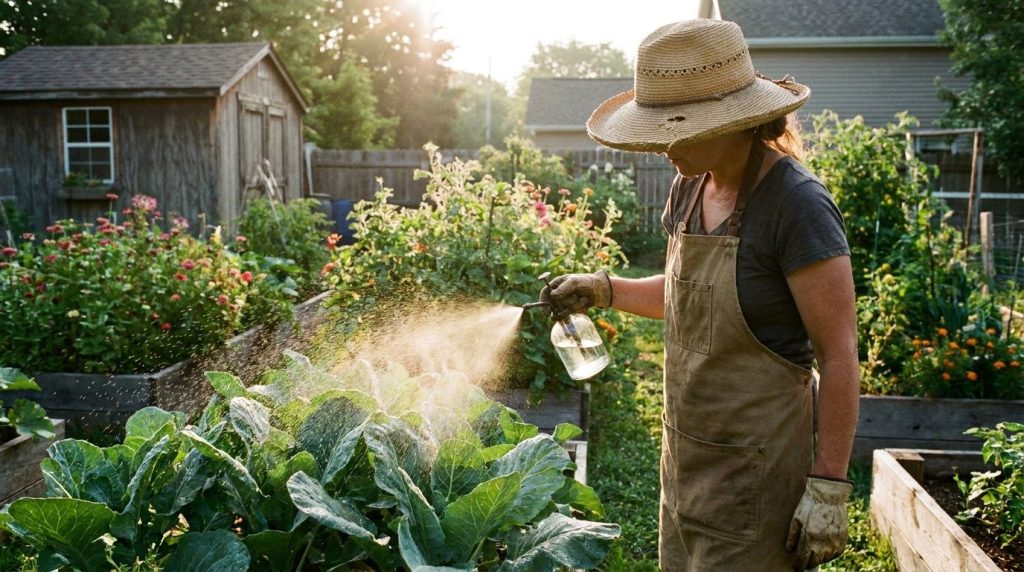
Neem Oil Spray for Pest Control
Neem oil, pressed from the seeds of the neem tree, is one of the most popular organic options for gardeners. It is commonly used to help manage soft-bodied pests such as aphids, mites, and whiteflies. A basic homemade spray can be made by mixing a small amount of neem oil with mild liquid soap and warm water, then shaking well before use.
- Test the spray on a single leaf first and wait a day to check for damage.
- Apply in the early morning or evening to avoid harsh sun and heat.
- Cover both the top and underside of leaves, where pests often hide.
- Repeat applications as directed on the product label, since results depend on the pest and conditions.
Eggshells Near Tomato Plants
Crushed eggshells are a classic kitchen-to-garden idea. They add small amounts of calcium to the soil as they slowly break down. Rinse the shells, let them dry, and grind them into a fine powder so they decompose more easily. Keep in mind that eggshells work slowly and are not a quick fix. Calcium deficiency is only one possible cause of problems like blossom end rot, so a soil test is the best way to know what your plants truly need.
Diatomaceous Earth as a Dry Barrier
Diatomaceous earth is a fine powder made from fossilized algae. Food-grade versions are often used as a dry barrier around plants to help deter crawling insects such as slugs and some beetles. It works best when it stays dry, so reapply after rain or heavy watering. Wear a dust mask when applying it, and avoid breathing the powder. Apply it lightly around the base of plants and on the soil surface rather than piling it on foliage.
Building Your Own Garden First Aid Kit
You do not need a complicated shelf of products to get started. A simple kit might include:
- A small bottle of neem oil and mild liquid soap for pest sprays
- A jar of dried, crushed eggshells for slow soil enrichment
- A container of food-grade diatomaceous earth for dry barriers
- A spray bottle, gloves, and a notebook to record what you tried and how plants responded
Keeping notes is one of the most useful habits a gardener can develop. When you track dates, weather, and results, you can learn which methods work best in your own space and climate.
Prevention Is the Best Medicine
Healthy plants are better at resisting pests and disease. Focus on the basics: good soil with plenty of organic matter, proper watering, adequate sunlight, and good airflow between plants. Companion planting, such as growing herbs or flowers that attract beneficial insects, can also support a balanced garden. Regular checks, even just a few minutes each week, help you catch small problems before they spread.
Final Thoughts
An organic garden first aid kit is about calm, observant care. Start with one or two remedies, use them carefully, and watch how your plants respond. With a little practice, you will feel more confident handling everyday garden challenges and enjoying the healthy, thriving plants you have worked hard to grow.