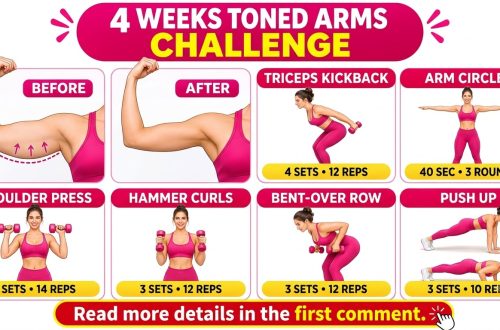
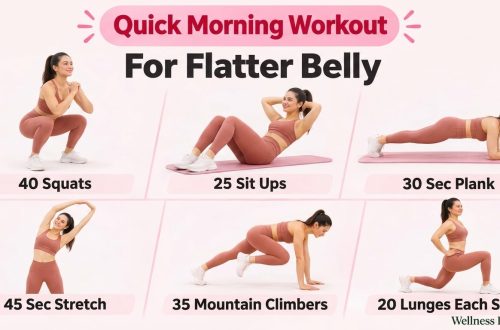
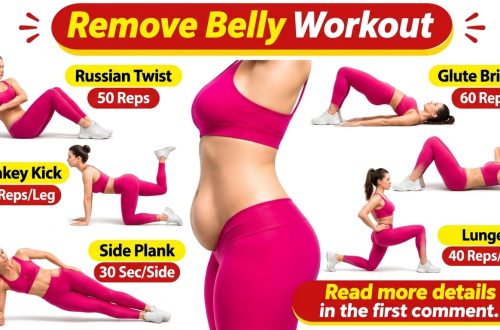
Want stronger arms? A workout focused on the triceps is a practical place to start. The triceps are the large muscle on the back of the upper arm, and they play a key role in pushing movements, from lifting yourself off the floor to reaching overhead. This guide explains why triceps training is popular, which exercise styles are commonly included, and how to build a routine that fits your current fitness level.
Why Focus on the Triceps?
Many people think about the biceps first when they picture arm strength, but the triceps make up roughly two-thirds of the upper arm muscle mass. Strong triceps are associated with better everyday pushing strength, such as opening heavy doors, pressing objects onto a shelf, or getting up from a chair. Regular resistance training is also commonly associated with improved muscle tone and posture over time.
It is important to set realistic expectations. You cannot choose where your body loses fat by exercising one area, and no single workout guarantees a specific look. Research suggests that consistent full-body activity, good nutrition and adequate sleep work together to support overall body composition.
Triceps Exercises Often Included in Arm Routines
The following movements are frequently used in arm workouts. Each one targets the triceps in a slightly different way.
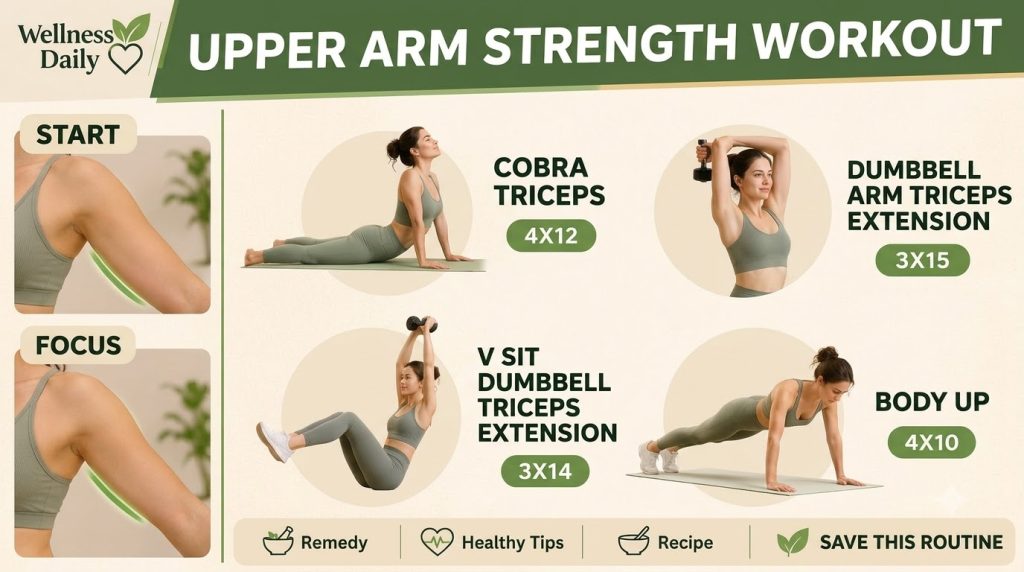
- Cobra Triceps: A floor-based movement that uses your own body weight to load the back of the arms. It is often a good starting point for beginners.
- Dumbbell Overhead Triceps Extension: Standing or seated, you lower a dumbbell behind the head and extend it back up. This position stretches the triceps under load.
- V-Sit Dumbbell Triceps Extension: A seated variation that supports the lower back while you perform the overhead motion, which can make it easier to focus on the arms.
- Body Ups: A push-up style movement that challenges pressing strength through the arms, chest and core.
A common example from fitness programs is 3 to 4 sets of 10 to 15 repetitions per exercise. Treat this as a starting reference rather than a rule, and adjust it based on how your body responds.
How to Start Safely
- Warm up for 5 to 10 minutes with light movement, such as brisk walking or arm circles.
- Choose a weight or body position that lets you complete every repetition with control.
- Rest for 60 to 90 seconds between sets, or longer if you need it.
- Stop if you feel sharp pain, numbness or joint discomfort, and seek advice from a qualified professional.
- Allow at least one rest day between strength sessions that work the same muscles.
Building a Balanced Routine
Arm training works best as part of a balanced week. Combine strength sessions with aerobic activity, flexibility work and rest. The World Health Organization recommends that adults aim for at least 150 to 300 minutes of moderate aerobic activity per week, along with muscle-strengthening activities on two or more days. You can learn more in the official guidance from the World Health Organization physical activity fact sheet.
Nutrition also supports muscle recovery. Pairing your workouts with protein-rich foods, vegetables and whole grains is commonly associated with better energy and recovery. For more ideas, explore our related guides on healthy eating and wellness habits.
Final Thoughts
Stronger arms come from consistent, well-planned training rather than quick fixes. Start with a few exercises, focus on controlled movement, and progress gradually as your strength improves. This article is for educational purposes only and is not a substitute for medical advice, diagnosis or treatment. If you have an existing health condition, injury or concern, please consult a doctor or qualified fitness professional before starting a new exercise program.