Want stronger, more toned arms? Focusing on the right exercises for your biceps, triceps, and shoulders is a practical place to start. Consistent training with good form is what helps most people see progress over time, and small, steady changes tend to add up.
Why Arm Strength Matters
Your arms do far more than look good in a T-shirt. Upper-body strength supports everyday tasks such as carrying groceries, lifting children, opening jars, and reaching for objects on high shelves. Regular resistance training is also commonly associated with better muscle mass, joint support, and posture, which are all part of overall wellness.
The Main Muscles Behind Toned Arms
- Biceps: the muscles on the front of the upper arm, involved in bending the elbow.
- Triceps: the muscles on the back of the upper arm, responsible for straightening the elbow. They make up a large portion of the arm.
- Shoulders (deltoids): they help define the look of the upper arm and support overhead movements.
- Forearms: these assist grip strength and wrist movement during many exercises.
Core Principles for Safe, Effective Arm Training
1. Focus on Proper Form
Slow, controlled movements usually matter more than heavy weights. Keep your elbows stable, avoid swinging your body, and move through a comfortable range of motion. Research on resistance training generally suggests that technique and consistency are key drivers of results.
2. Practice Consistency
Many health organizations, including the CDC and the World Health Organization, recommend adults get at least 150 to 300 minutes of moderate aerobic activity each week, plus muscle-strengthening activities on two or more days. Arm workouts can be one part of that broader routine.
3. Increase Difficulty Gradually
Progressive overload means slowly making exercises more challenging over time, such as adding repetitions, using a slightly heavier weight, or slowing down the lowering phase of a movement. Small increases are generally easier to sustain and safer for beginners.
4. Allow Recovery
Muscles adapt during rest. Many people find that training the same muscle group two to three times per week with at least one rest day in between feels manageable.
A Beginner-Friendly Arm Routine
The following sequence is a general example. Choose a weight or variation that lets you finish each set with good form and feel challenged but not strained.
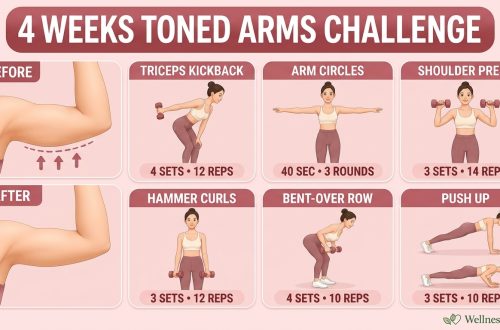
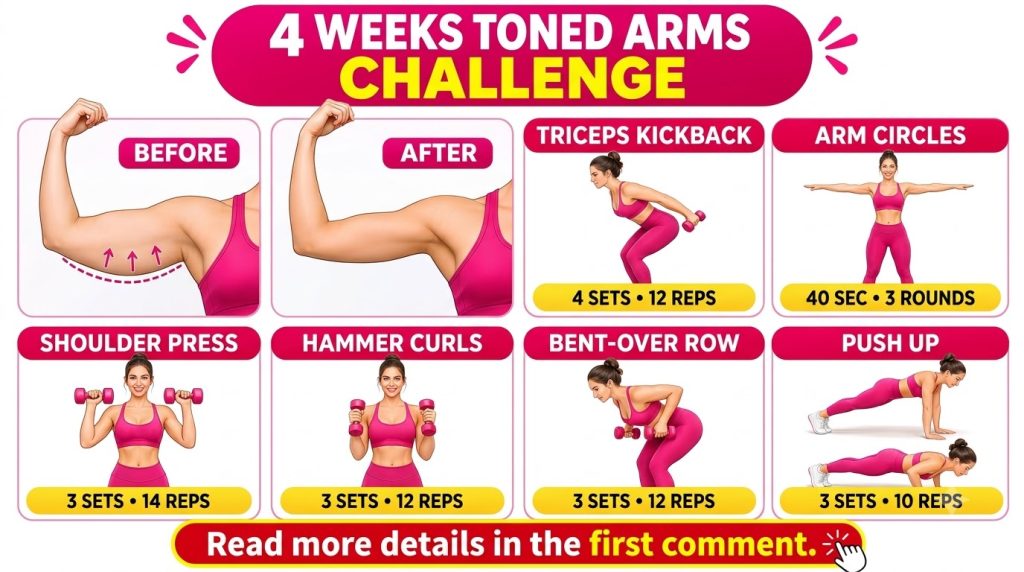
- Arm circles: 2 sets of 20 to 30 seconds in each direction to warm up the shoulders.
- Push-ups (knee or incline variation if needed): 2 to 3 sets of 8 to 12 repetitions.
- Triceps kickbacks with light dumbbells: 2 to 3 sets of 10 to 12 repetitions.
- Hammer curls: 2 to 3 sets of 10 to 12 repetitions, keeping palms facing each other.
- Shoulder press (seated or standing): 2 to 3 sets of 8 to 12 repetitions.
- Bent-over rows: 2 to 3 sets of 10 to 12 repetitions, keeping your back straight.
Rest for about 60 to 90 seconds between sets. If you are new to exercise, start with one or two sets and build up as your body adapts.
Tracking Your Progress
Instead of focusing only on appearance, consider keeping a simple workout log. Note the exercises, weights, repetitions, and how you felt afterward. Progress in strength, endurance, and comfort in daily movements can be just as encouraging as visible changes.
Nutrition and Lifestyle Support
Adequate protein, a balanced diet rich in vegetables, fruits, whole grains, and healthy fats, and good sleep all play supporting roles in muscle health. Staying hydrated during workouts is also important. You may find related guides on healthy eating and recovery useful as you build your routine.
Safety Considerations
If you have a history of shoulder, elbow, or wrist injuries, or any heart, joint, or other medical condition, speak with a qualified healthcare professional before starting a new exercise program. Stop any movement that causes sharp pain, and consider working with a certified trainer to check your form.
Final Thoughts
Building stronger, more toned arms is a gradual process that rewards patience and good habits. Focus on proper form, consistent practice, and steady progress, and enjoy the process of learning what your body can do.
This article is for educational and reference purposes only. It is not a substitute for medical advice, diagnosis, or treatment. Always consult a qualified healthcare provider before beginning a new exercise routine.